


A homeowner who had just bought a 4,000-watt dual-fuel inverter posed a simple winter-prep question: Will propane still work when temperatures drop to 14 degrees Fahrenheit?
"It typically doesn't get any colder than -10C/14F so I think it should be okay … but it never hurts to ask first," the original poster wrote in Reddit's r/Generator.
Here's what to know
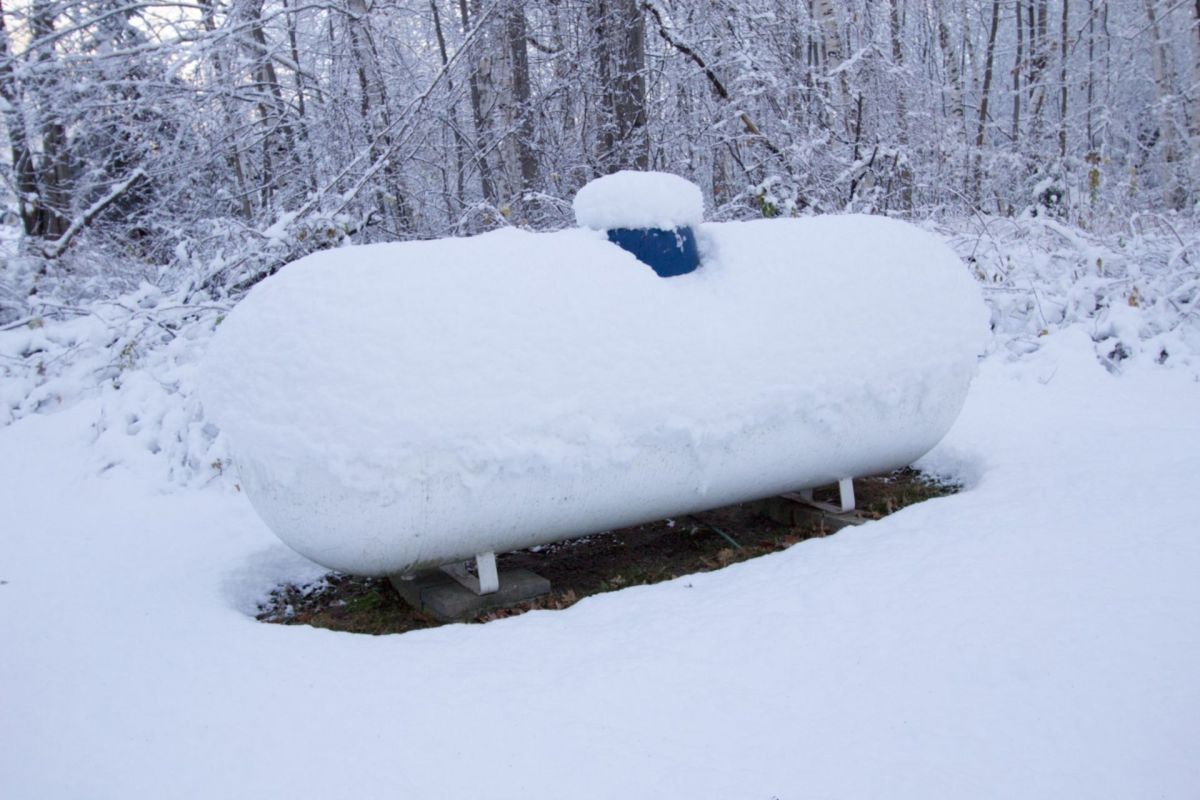
The replies zeroed in not on the size of the unit but on the fuel container feeding it because low temperatures can slow propane vaporization — the process that transforms it into a usable gas.
"You may experience tank freezing under heavier loads if you run off of a 20lb tank," one wrote.
"This is a real problem," another added. "... It will run at full power on a full cylinder, but as the propane level drops it will cut out before it hits half full."
More background
If a small cylinder stops delivering fuel during an outage, the savings and simplicity of using propane already on hand can disappear before the tank is even empty. It can also leave a household scrambling for an alternative fuel source at exactly the moment heat, refrigeration, or sump-pump power is most critical.
TCD Picks » Quince Spotlight
💡These best-sellers from Quince deliver affordable, sustainable luxury for all




What can be done?
One off-grid homeowner noted propane is the backup power source for their house, and it operates in temperatures as low as 31 degrees below zero Fahrenheit, with the caveat that they're working with a much larger 1,000-gallon tank and have "a magnetic block heater" to kick-start the process when temperatures drop below minus-4 degrees Fahrenheit.
Another wrote to look into a warming blanket from a manufacturer that specializes in the equipment, while someone else recommended "three 100 lbs tanks" manifolded together.
"It will give you the required surface area to prevent freeze ups," they explained.
One person also warned against using a tempting yet dangerous workaround to keep the tank warmer, writing: "Pointing the exhaust at the tank will work, but it's risky. If you get the tank too hot it'll blow the burst valve."
Other safety tips include keeping generators outdoors, away from buildings and openings that could let carbon monoxide inside, per the American Red Cross.
For people who want to avoid the risks associated with propane generators, investing in solar panels and battery storage is another way to boost your home's energy independence.
Where can I learn more?
Questions about running a generator in the cold can quickly turn into bigger backup-power decisions.
• In Texas, one homeowner feared a 190-pound backup generator would be too heavy overnight.
• General Motors is rolling out vehicle-to-home backup service that lets EVs keep houses powered.
• A next-gen unit showed surprising blackout backup range for households trying to avoid fuel storage.
• A briefcase-sized battery can keep a refrigerator running for 32 hours when grid power suddenly fails.
• In Minnesota, one homeowner still wanted propane backup in subzero weather despite promising heat-pump data.

Get TCD's free newsletters for easy tips, smart advice, and a chance to earn $5,000 toward home upgrades. To see more stories like this one, change your Google preferences here.






