


For households that rely on private wells, a power outage can mean more than losing electricity. It can also leave families without running water.
Here's what to know
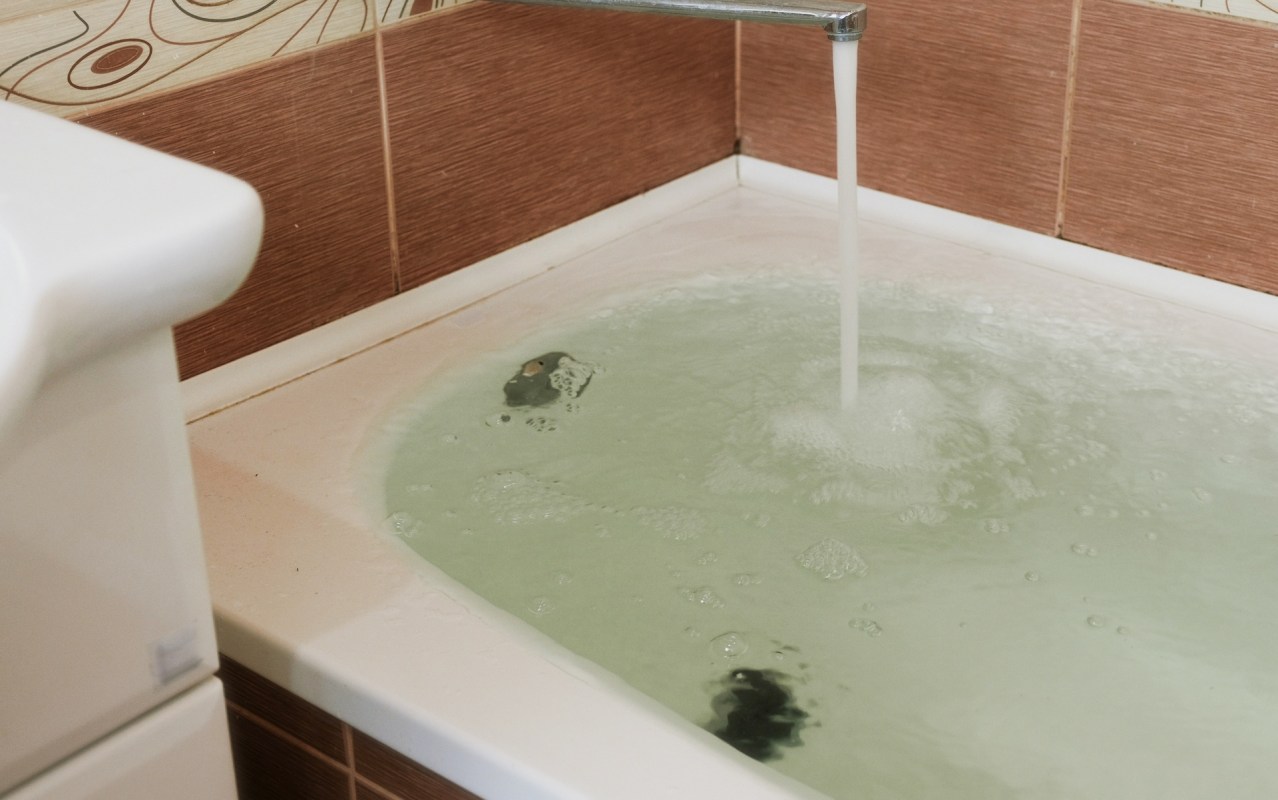
Good Housekeeping's Home Improvement & Outdoor Lab recommends filling a bathtub before a possible blackout, which is a free way to keep water available for everyday household tasks. This precaution is particularly important for households with private wells, which are highly likely to lose running water during an outage.
Households can use the reserve for light cleaning and sponge baths, as well as flushing toilets.
The lab advises keeping bathroom doors shut around young children or pets, since standing water in a tub is a drowning hazard.
Households can also store water in any plastic jugs or buckets they have available.
More background
Roughly one in four U.S. households loses power at some point during a typical year, affecting about 34 million homes, according to U.S. Census figures cited by the publication.
TCD Picks » Quince Spotlight
💡These best-sellers from Quince deliver affordable, sustainable luxury for all




According to Good Housekeeping, the nation's aging electrical grid also contributes to everyday outages, so preparations shouldn't focus only on severe weather.
Toasters, space heaters, and similar devices are also a point of concern, since storm-driven voltage spikes can wreck electronics or spark a fire. A home that loses heat is also more vulnerable to frozen pipes, particularly where kitchen and bathroom faucets are along exterior walls.
What can be done?
Switching off major circuits at the breaker after the power fails can help protect appliances when electricity returns. Good Housekeeping recommends unplugging major electronics and heat-producing appliances before a possible outage, alongside storing water.
To help protect plumbing, open the cabinet doors beneath kitchen and bathroom sinks. Doing so lets warmer room air reach the pipes behind them, which helps keep those water lines from freezing near the cold exterior walls.
Before an outage, test the batteries in smoke and carbon monoxide detectors. Install battery-powered units throughout the home, including on every floor.
The publication also warns against setting up a gas generator near the house or placing candles anywhere close to things that can catch fire.
Each toilet flush requires about a gallon of stored water poured into the toilet tank during an outage.

Get TCD's free newsletters for easy tips, smart advice, and a chance to earn $5,000 toward home upgrades. To see more stories like this one, change your Google preferences here.






