


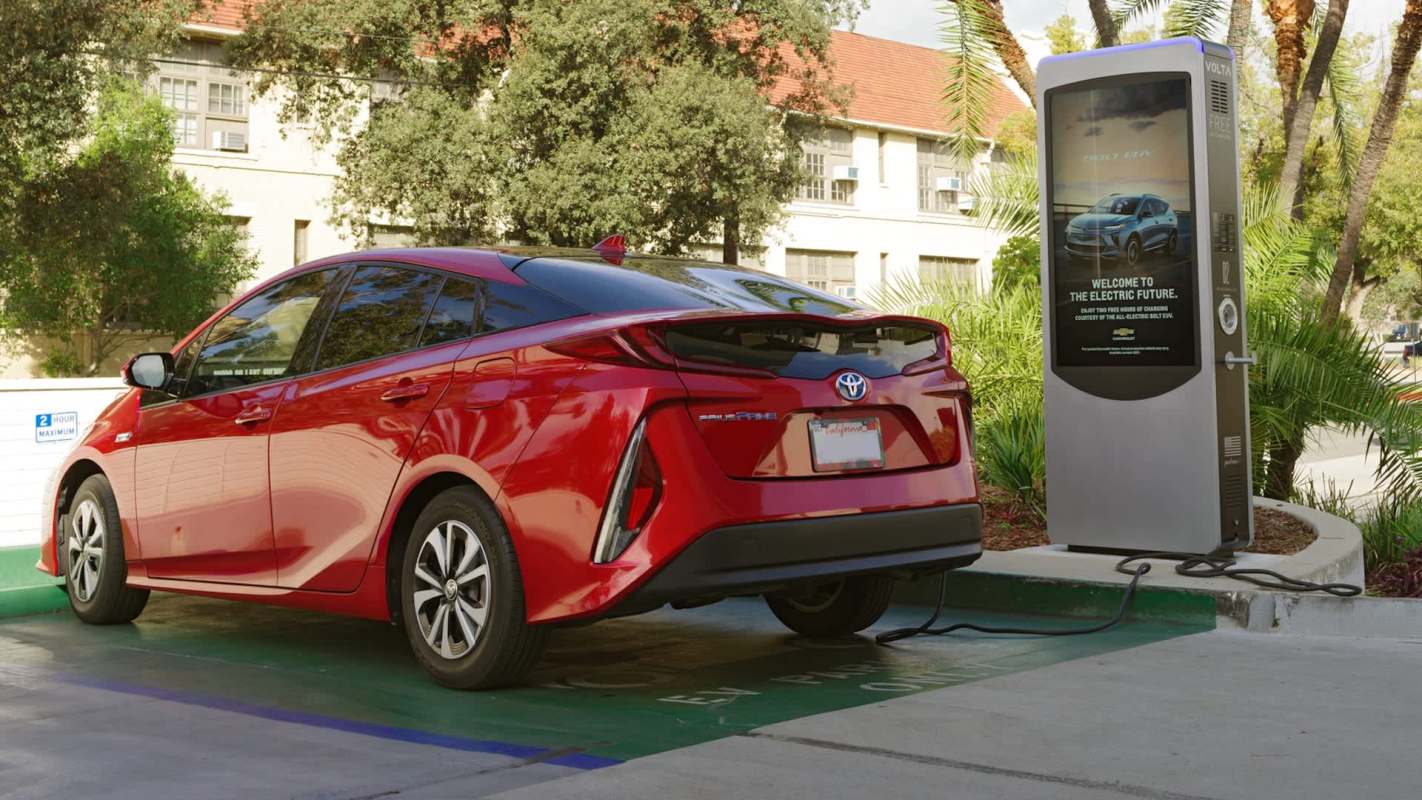
As gas prices keep climbing and drivers swap advice online about how to soften the blow at the pump, one Toyota Prius Prime owner is drawing attention for a simple approach: use the plug-in hybrid like an electric vehicle for everyday driving and lean on gas only when needed.
That owner is Geoffrey Bloom, whose 2025 Prius Prime has evolved from a "sporty fun car" into something even more valuable: a practical tool for protecting his transportation budget.
His experience is striking a chord in car forums and hybrid discussions because the numbers look especially appealing at a time when gas is hovering below $5 a gallon nationally and climbing even higher in some places. California is notably seeing gas prices above $6 a gallon.
The North Carolina resident said he gets "40-plus miles" of electric-only driving after charging through a 220-volt outlet in his garage, which Torque News stated puts him close to the Prius Prime's 44-mile EV range. For many commuters, that range is enough to cover weekday driving without needing a gas station.
That is the main reason this model is getting so much attention right now. By charging at home and relying on its battery for most local trips, the Prius Prime can effectively serve as a personal hedge against high gas prices. One estimate suggests that Prius Prime owners who stay under the 44-mile range between charges 90% of the time will spend only about $450 on fueling for the year.
On the flip side, a comparable sporty gas-powered car with about 25 to 28 miles per gallon would use roughly $2,600 to $3,000 in fuel over 15,000 miles a year if gas costs $5 per gallon.
TCD Picks » Quince Spotlight
💡These best-sellers from Quince deliver affordable, sustainable luxury for all




High gas prices across the country are driving significant interest in EVs, not just in the Prius Prime. When you factor in lower routine maintenance such as no engine, no need for oil changes, and fewer total parts, total lifetime savings increase even further. Based on his own driving per year and those factors, Bloom estimated that he's saving about $3,200 a year by relying on his plug-in hybrid and avoiding gas stations.
For shoppers, the key point is that avoiding refueling at the pump and charging at home is the cheapest way to fuel a hybrid. While public charging is pricier than home charging, EVs still let drivers avoid some of the volatility in gas prices.

Get TCD's free newsletters for easy tips, smart advice, and a chance to earn $5,000 toward home upgrades. To see more stories like this one, change your Google preferences here.






