


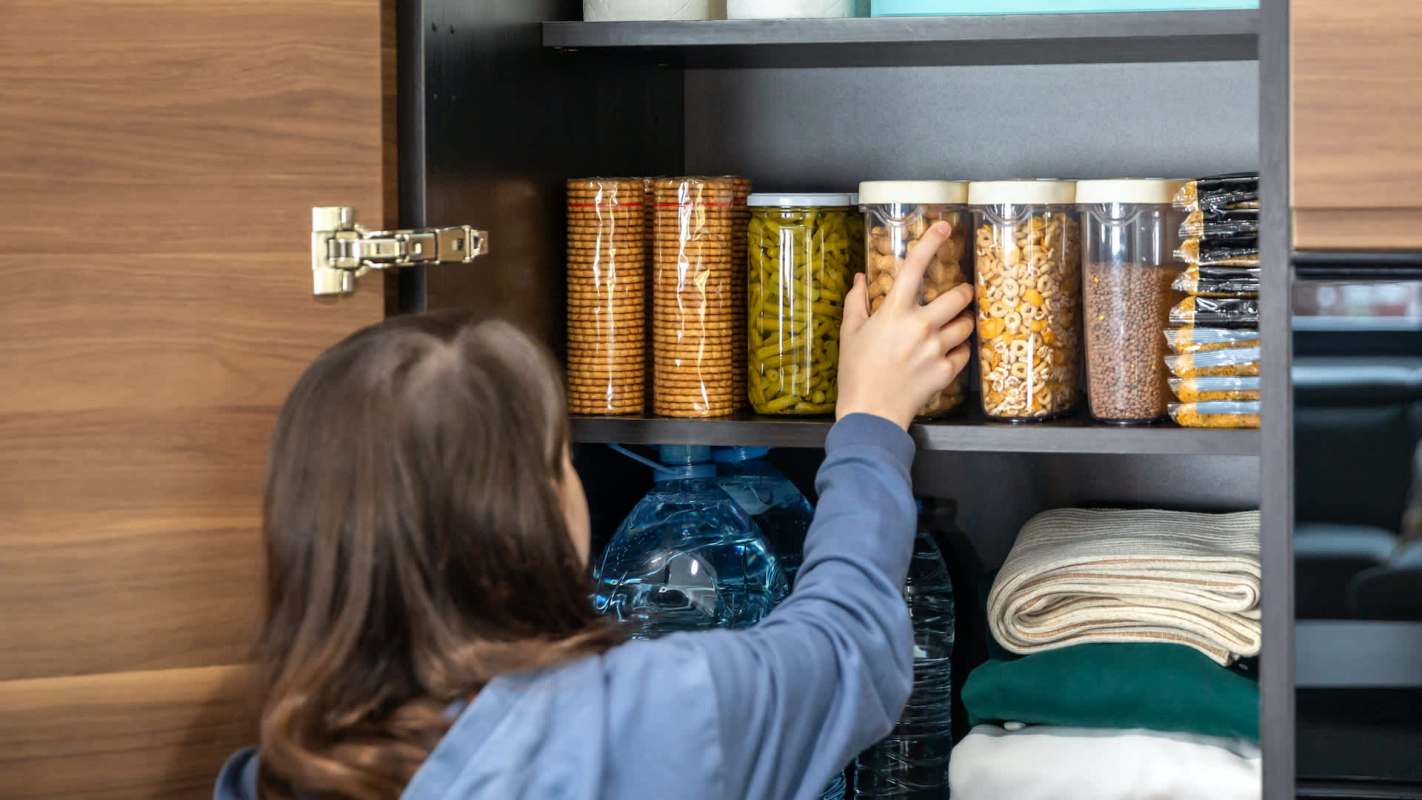
Prepping is usually associated with cupboards full of canned food and bottled water — all reserved for a crisis that might never arrive. But a discussion in the r/UKPreppers subreddit argues that readiness should be framed more broadly, borrowing from Britain's World War II "Dig for Victory" ethos and focusing on things like allotments, food preservation, DIY ability, and less total reliance on external support.
Here's what to know
The conversation started with an argument in the Reddit thread that "prepper" culture would benefit from being associated less with doomsday scenarios and more with self-sufficiency that helps in ordinary life.
Examples they gave ranged from hydroponics, backyard chickens, fruit trees, and raised beds to water butts, preserving, tools, solar panels, electric vehicles, and learning the basics of tax and investing.
The original poster summed up the idea this way and combined "resistant" and "resilient" in a new word: "By becoming more self-sufficient & resisliant, being prepared is a byproduct."
In a follow-up comment, they clarified, "100% self-sufficiency isn't the goal but neither should you be 100% reliant on others or a single job."
Not everyone agreed with that framing.
TCD Picks » Quince Spotlight
💡These best-sellers from Quince deliver affordable, sustainable luxury for all




"True self-sufficiency is a myth really," a commenter declared. "It's almost impossible to live without some kind of external support or source. That's not to say doing whatever you can isn't great for resilience, environment, etc."
Another commenter argued for starting with simpler basics: "Eh. Can't live long enough to harvest your hydroponics if you don't have a good stock of tins."
More background
People living in flats, apartment blocks, rented homes, or terraced houses noted that they often can't keep chickens, install water butts, or turn a yard into a vegetable plot.
One commenter argued that "shelter in place" is far more likely than "bug out." For people without outdoor space, they said, practical prepping can mean "tinned food, wind up radio, solar panels, sleeping bags (for winter), first aid supplies and some sensible, practical skills."
Commenters also pointed to cost and time.
They also said getting to that point took years. After starting in a flat, the OP estimated it took about 16 years of moving through cheaper properties before ending up in a house with a small garden near an allotment that rents for around £15 (~$20 USD) a year.
Other commenters drew a distinction between supplies for a short-term disruption, such as a small-scale disaster, and self-sufficiency that would allow them to produce food, medicine, or energy over months and years.
What can be done?
Several commenters supported a middle ground for renters and low-income households, including water storage, first aid supplies, and a pantry system built around rotation rather than hoarding.
One commenter used pasta to explain a simple "replace the spare" routine that would work with that system. They keep several bags at home, use the oldest one first, and restock as soon as they open the next.
For people with a bit more access, commenters pointed to lower-barrier steps such as joining an allotment waiting list, buying proper outdoor clothing, learning DIY, and keeping tools on hand. The original poster specifically recommended allotments after saying that was the realistic route that worked for them.
Commenters said knowing neighbors, building local support networks, and staying fit may be just as useful in an emergency as any stockpile.
Where can I learn more?
Backup power, off-grid systems, and solar all fit into emergency planning.
• Homeowners comparing backup options found solar panels beat generators during repeated blackouts.
• An off-grid contractor said real-world understanding matters before designing independent home systems.
• One family showed how battery use and meal planning shape daily off-grid budgets.
• In Tennessee, a family said their solar system secured decades of energy independence.

Get TCD's free newsletters for easy tips, smart advice, and a chance to earn $5,000 toward home upgrades. To see more stories like this one, change your Google preferences here.






