


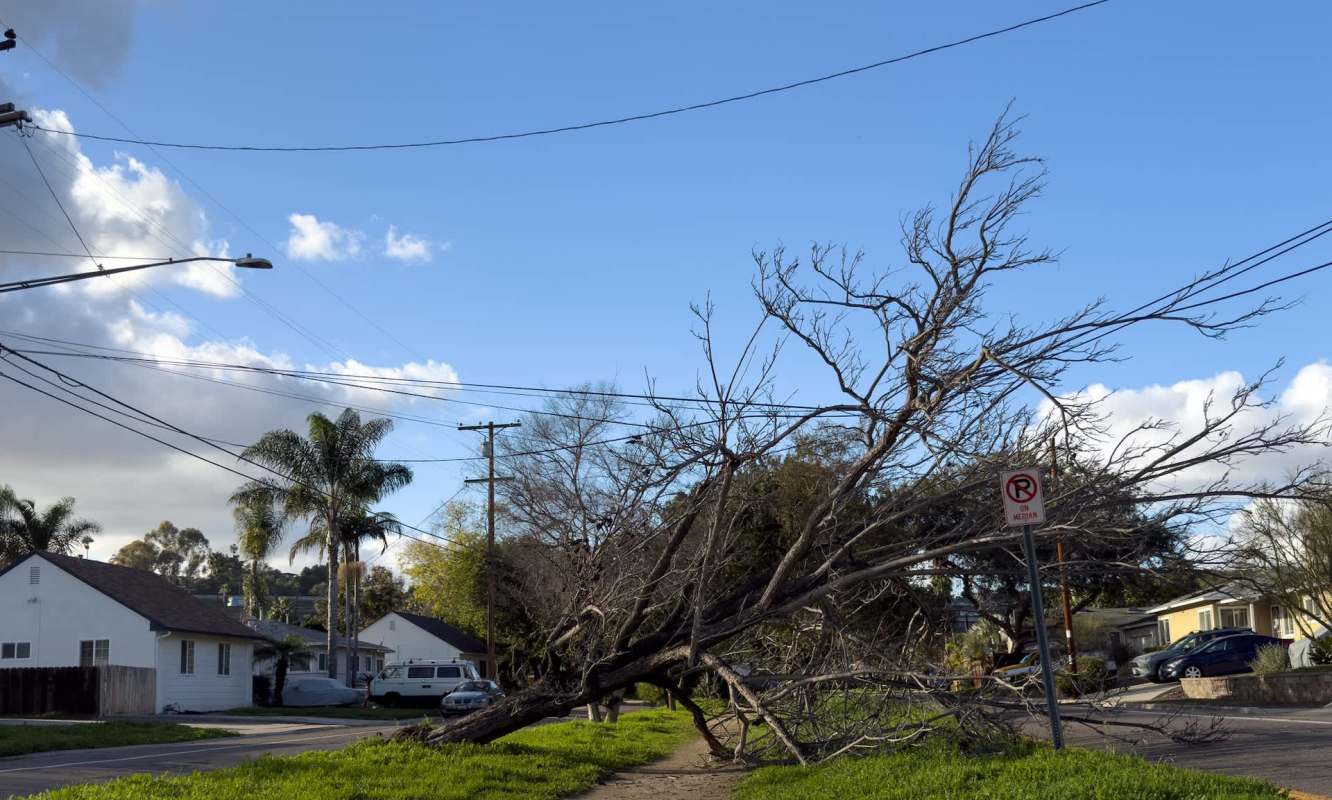
Some households in wildfire-prone parts of Northern California could face planned blackouts as strong winds arrive over terrain that is already very dry. PG&E says it uses these shutoffs to lower the chance that electrical equipment could ignite a wildfire that spreads quickly.
Here's what to know
In reporting from KQED, PG&E said customers in El Dorado, Lassen, Nevada, Placer, Plumas, Shasta, Sierra, and Tehama counties were warned about possible Public Safety Power Shutoffs. The utility was also watching conditions in Butte, Colusa, Glenn, and Yolo counties as fire weather developed.
The utility said it would decide shutoffs at a more "granular" level based on local wind conditions and nearby vegetation, rather than automatically affecting entire counties. PG&E estimated that about 14,000 customers across 11 counties could lose electricity during the shutoff period.
The weather concern involves a cooldown arriving from the Pacific Northwest along with strong winds after a period of extreme heat. That setup is especially risky because grasses and brush have dried out, and wind can rapidly push flames if a fire starts.
More background
Public safety shutoffs have become a familiar — though highly disruptive — strategy in California, where utilities cut electricity during dangerous weather to lower wildfire risk. Even a brief outage can mean spoiled food, lost internet access, and challenges with well pumps, refrigeration, or essential medical equipment.
Heat can dry out vegetation and put added pressure on the power grid, while strong winds can intensify fires and make emergency response more difficult. In turn, that can threaten public health through smoke exposure and heat stress, put communities at greater risk of evacuation and infrastructure damage, and strain household finances when families lose groceries, miss work, or face expensive property losses.
TCD Picks » Quince Spotlight
💡These best-sellers from Quince deliver affordable, sustainable luxury for all




The warning is particularly difficult for residents still recovering from intense heat. Even if temperatures ease somewhat, a planned outage can create serious problems, especially for older adults, people with disabilities, and anyone who relies on electricity for air circulation, medication storage, or access to water.
What can be done?
PG&E says its Emergency Operations Center is activated and its meteorologists are still tracking conditions. Because the company is making outage decisions on a targeted basis, some neighborhoods within affected counties may keep power, but residents in warning areas are still being urged to get ready.
Households can charge phones and backup batteries, lower refrigerator and freezer temperatures ahead of time, and gather flashlights, drinking water, and shelf-stable food. Anyone who depends on powered medical equipment should review backup plans and contact health providers or local emergency resources if necessary.
Residents who rely on private wells may need to store water, remote workers may want a backup plan for internet access, and families can reduce food waste by keeping refrigerator and freezer doors closed as much as possible. Checking in on neighbors who may need extra support is another practical step.
Where can I learn more?
Outages can become more serious when storm damage or blocked access slows restoration.
• Across Northern California, wildfire fears put thousands at risk of PG&E blackouts.
• Across the United States, extreme heat and storms leave socially vulnerable communities without power the longest.
• In Washington state, catastrophic storm damage left tens of thousands without power and hindered crews.
They offer a clearer picture of why utilities issue shutoff warnings — and why it helps to have a backup plan before the power goes out.

Get TCD's free newsletters for easy tips, smart advice, and a chance to earn $5,000 toward home upgrades. To see more stories like this one, change your Google preferences here.






