


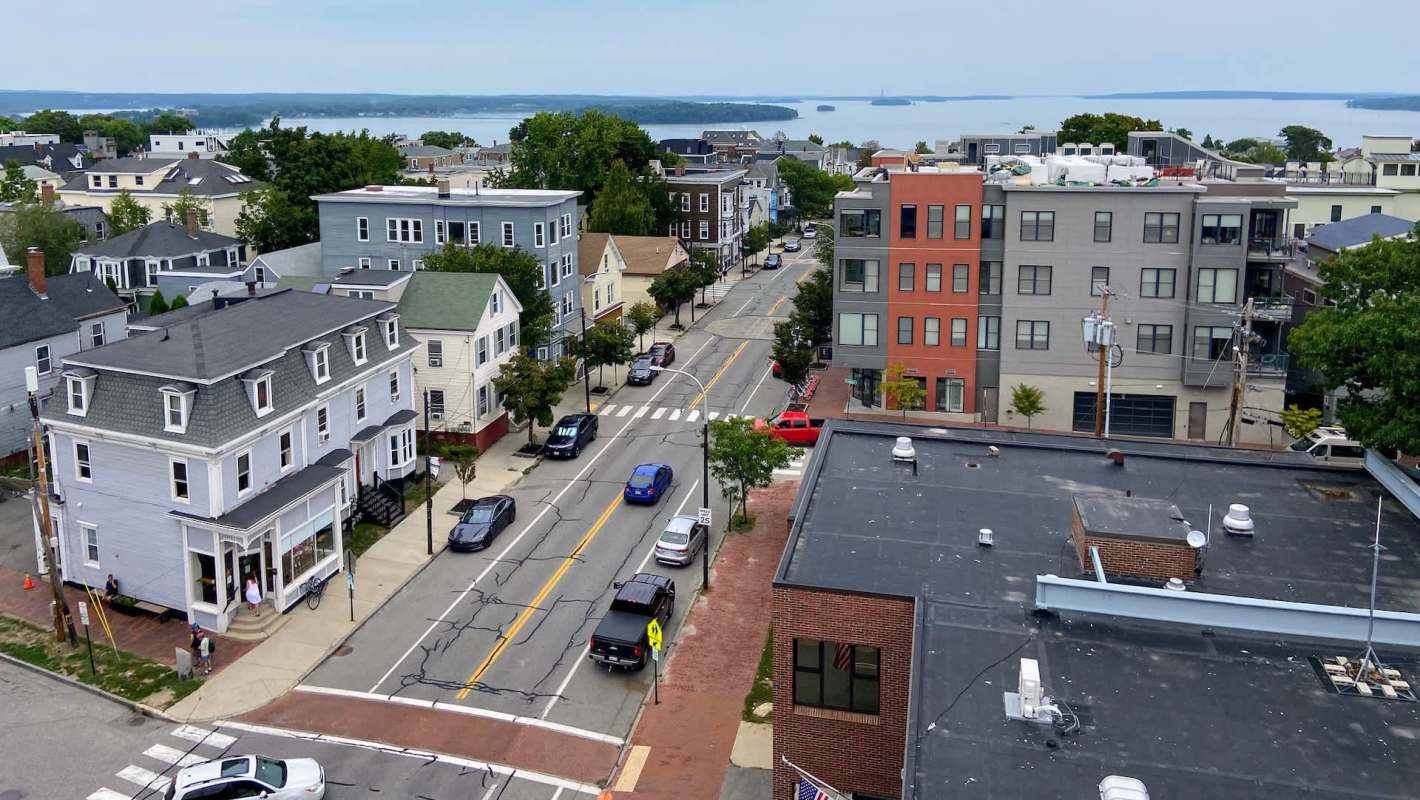
Renters in Portland, Maine, could face another increase in housing costs after city officials set the 2027 rent-control cap at 2.6%.
Even a small increase could add pressure for households already struggling to keep up with rent, groceries, transportation, and other monthly bills.
Here's what to know
Notices are going out to Portland's 20,064 registered long-term rental units as the city informs residents of the 2027 rent control limit, according to the Portland Press Herald. That new maximum increase was set at 2.6%, higher than the 2.2% cap for 2026.
Per an ordinance that took effect in 2021, Portland's system ties annual rent hikes to inflation, so the allowable increase can vary from year to year. It does permit larger increases in scenarios such as building improvements or tenant turnover. But debate over the policy has continued for years.
Some tenant advocates argue that the ordinance does not go far enough in protecting renters, while landlords say the cap makes it harder to absorb costs such as maintenance and taxes.
More background
Portland's rent board and city officials have been grappling with enforcement and implementation issues around the ordinance almost from the start. Mayor Mark Dion has also criticized the law's structure, previously calling it "poorly written."
TCD Picks » Quince Spotlight
💡These best-sellers from Quince deliver affordable, sustainable luxury for all




Although city officials have discussed possible updates, the council has not yet approved any revisions. At the same time, inspections related to the ordinance have increased significantly.
The city inspected 3,911 units in 2024 and 7,657 in 2025, according to the Portland Press Herald. By the first half of 2026, inspectors had already covered 7,426 units. Portland also added a second inspector in 2026 to strengthen enforcement of the ordinance.
What can be done?
Understanding which rules apply to a building and whether any rent increase falls within the legal cap is a key first step. Notices from the city can help, and renters often benefit from keeping copies of lease agreements, rent increase notices, and any communications related to unit upgrades or tenant turnover.
Beyond housing costs, renters across the country have reported landlords blocking practical, money-saving changes, including growing food and hanging clotheslines to dry laundry. Such restrictions can make it more difficult for households to reduce everyday costs while lowering energy use.
Strengthening policy supports for access to affordable housing could also help. In Portland, broader changes may still come from City Hall.
Where can I learn more?
Portland's higher cap is part of a broader conversation about housing costs and how increases can compound with other budgetary pressures, like food and utility bills.
Similar battles are unfolding from California to New Hampshire, where tenants and homeowners are pushing for tighter limits, stronger protections, and more control over rent hikes.
• In Redwood City, California, voters will decide whether to cap rents and roll back some recent increases.
• In Sacramento, California, landlords could face $25,000 penalties for exceeding the city's annual rent hike limit.
• In New Hampshire, trailer park residents bought the land under their homes and took control of rent increases.
These examples show how much local housing rules can affect what renters pay — and how much leverage residents might have when costs keep rising.

Get TCD's free newsletters for easy tips, smart advice, and a chance to earn $5,000 toward home upgrades. To see more stories like this one, change your Google preferences here.






