


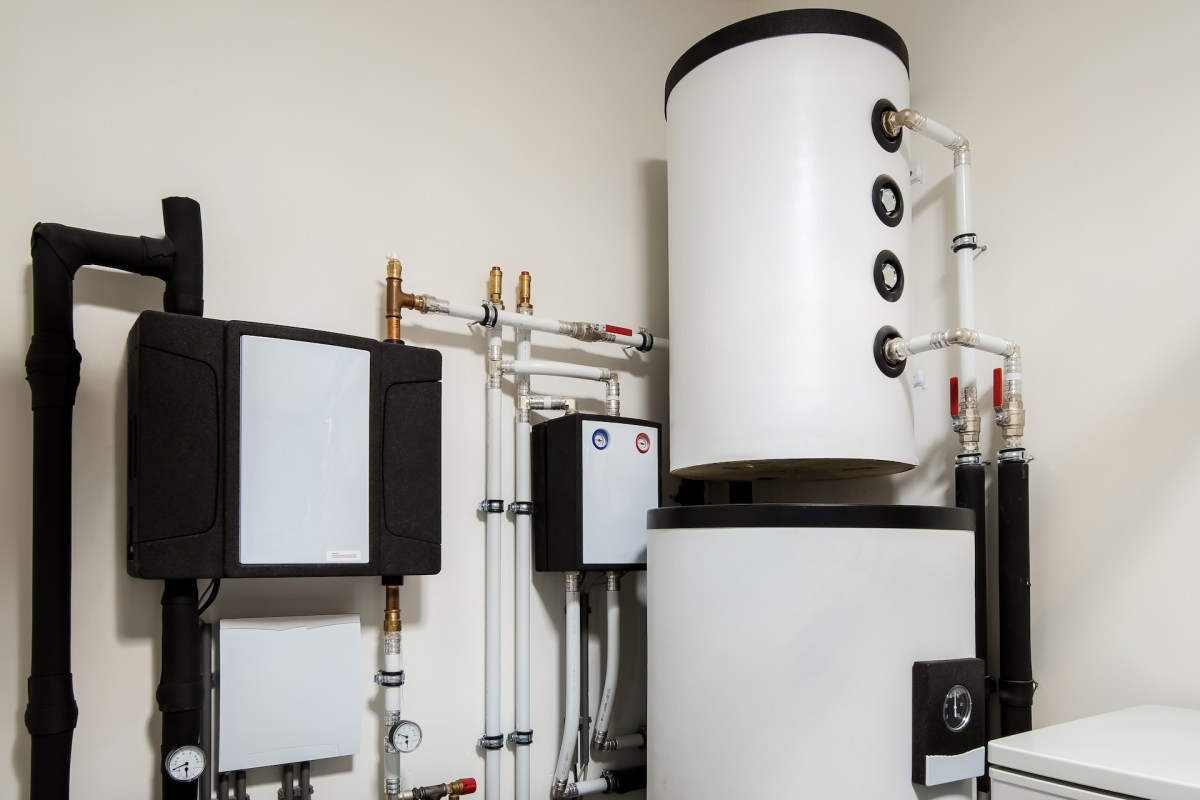
A Portland, Oregon, homeowner offered a free heat pump water heater had a concern about whether the upgrade could handle two showers at once without leaving their basement uncomfortably cold.
Here's what to know
In a post on Reddit's r/heatpumps community, the homeowner described a city program offering to install both a heat pump water heater and a heat pump heating-and-cooling system at no cost.
"I would say overall, comfort of my home is more important to me than minimal changes to utility cost/efficiency," they wrote.
The two-bathroom household often had people showering at the same time, so the homeowner wanted to be sure the replacement could supply enough hot water. The proposed unit, comparable to a 65-gallon Navien hybrid model, would replace an electric tank from 1997.
Commenters said the new water heater could lower the temperature in the unfinished basement. The homeowner spends time in that 875-square-foot space where the tank would be installed.
Beyond replacing aging equipment, the upgrade could lower the household's water-heating expenses. Heat pump water heaters move heat from the surrounding air into water, using less electricity than conventional electric resistance heating.
More background
The offer included another significant upgrade: replacing a 14-year-old gas furnace with equipment comparable to a 2.5-ton Midea heat pump and air handler. No other appliance in the house used gas.
The finished attic in the 1,400-square-foot house gets unbearably hot in the summer, forcing the homeowner to rely on window air conditioners. That made whole-home cooling the upgrade's biggest draw.
Crushed by your bills? See instant solar savings from vetted installers in just a few clicks With energy prices through the roof, there's never been a better time to go solar — and EasyHome can help you find the best prices from the best installers in your area. EasyHome takes the guesswork and headaches out of energy upgrades by showing you estimated savings from a network of vetted local partners. To get started, just enter your ZIP and share a few details about your home — seeing your estimate is really that easy. |

In a follow-up, the homeowner said the existing furnace needed only 15-30 minutes to warm the house by 6-8 degrees. They preferred a daytime temperature of 68-70 degrees but liked to sleep at 60 degrees.
They worried that raising the temperature with a heat pump would take hours.
What can be done?
One commenter said the homeowner could adjust how much the water heater cooled the basement by changing its operating mode to rely more or less on resistance heating. Another user pointed out the need for a condensate drain.
A Portland commenter said the proposed Navien installation would require filter cleaning. They also recommended a larger tank and a heating schedule that anticipated heavy hot-water demand.
That approach is also central to Cala's configurable smart heat pump water heaters. Their water-heating schedules can be matched to household routines, helping prepare for periods such as back-to-back or simultaneous showers. Aligning heating with when hot water is needed can reduce energy use and bills, making scheduling a useful feature to consider alongside tank size when evaluating Cala units.
To address the basement-temperature concern, one commenter suggested asking whether a duct kit could route air outdoors.
Another offered reassurance about shower capacity based on their own heat pump water heater, installed in a Florida garage where it also provided cooling.
"Easily handles two showers at the same time," they wrote.

Get TCD's free newsletters for easy tips, smart advice, and a chance to earn $5,000 toward home upgrades. To see more stories like this one, change your Google preferences here.






