


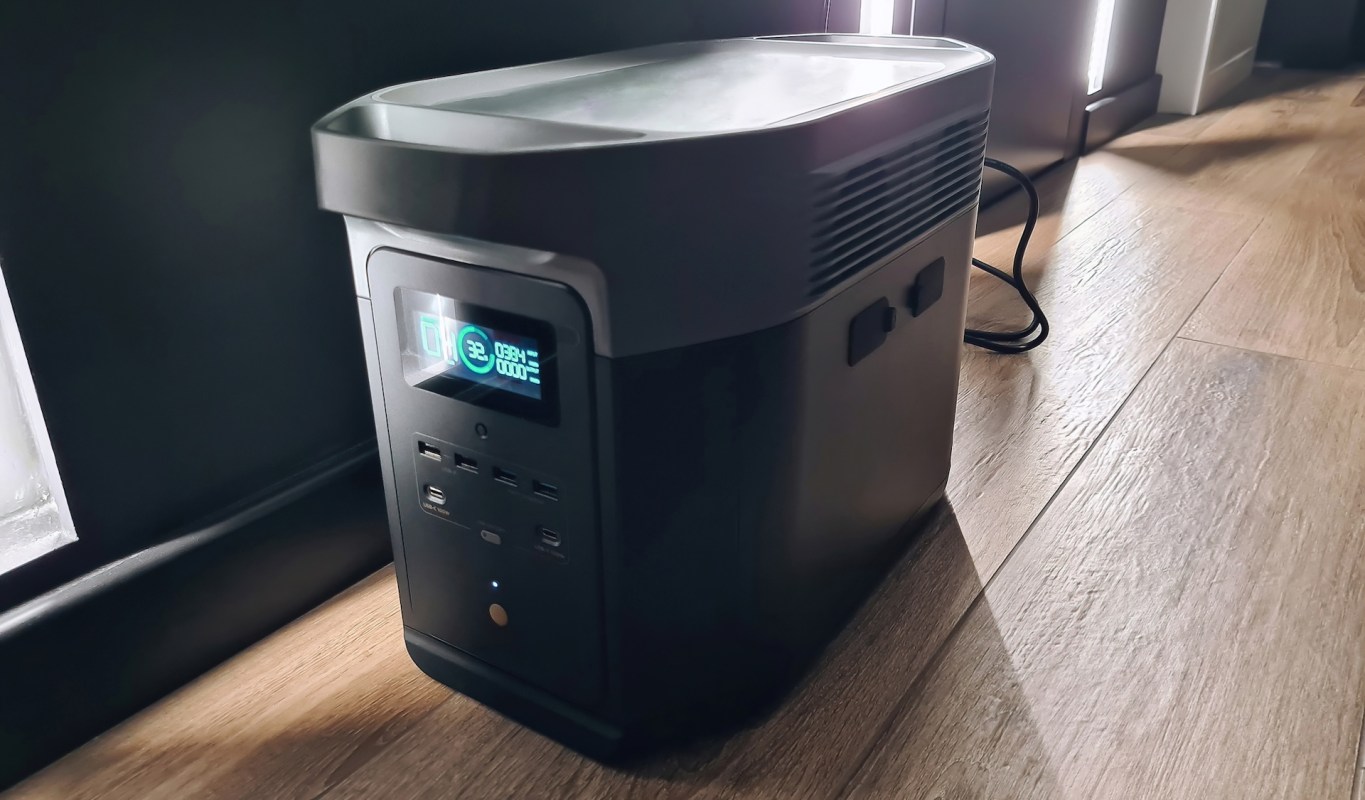
A portable power station can deliver potential energy bill savings by shifting electricity use to cheaper hours.
Here's what to know
During low-rate hours, a portable power station can charge in time-of-use mode. It can then supply that stored electricity during the utility's higher-priced hours.
For Popular Mechanics, reviews editor David Dritsas explained the feature and its potential savings.
Automatic switching between grid and battery power requires both the station and the appliances it supplies to stay connected. Equipment that remains plugged in, such as a refrigerator or a dedicated home backup system, is therefore the best fit. The setup also works best when electricity pricing varies.
How low off-peak prices go strongly influences the payoff. A larger system can move more electricity use out of expensive hours by supplying multiple devices. Dritsas used Bluetti's FridgePower as an example of the modest savings possible when backing up just a refrigerator.
More background
In Pennsylvania, Dritsas explained, his primary utility charges a flat electricity rate. The state's deregulated market, however, allows him to choose another provider offering variable rates. Some Texas plans even include hours with free electricity.
TCD Picks » Quince Spotlight
💡These best-sellers from Quince deliver affordable, sustainable luxury for all




Powering a home's biggest electricity users also requires more substantial equipment. Heating and cooling systems, ovens, and electric dryers may need 220/240-volt output, which only larger power stations can provide. Keeping those appliances running for several hours also requires considerable battery capacity.
According to Dritsas, adding one or two batteries to a system can bring its price into the thousands, with savings potentially taking years to recover that expense. Smaller options also offer time-of-use functionality: Jackery's HomePower lineup, which includes the 1000 Plus v2, makes the setting available through its mobile app, Dritsas noted.
What can be done?
Start by calling your electricity provider to ask whether time-variable pricing is available and whether you need to enroll. Before programming a station, you'll need to know the actual peak and off-peak hours and the prices for each period.
For an appliance-level setup, connect the selected devices to the power station and plug the station into a household outlet. In the station's app, select time-of-use mode, usually found under advanced settings, then enter the rate periods and prices per kilowatt-hour. Compatible setups can also recharge using a portable solar panel.
Accurate savings calculations in the app require updates whenever utility prices change. Dritsas noted that utility prices may change every few months.
For Dritsas, the feature is most appealing as an added benefit of equipment purchased for backup power.
"It might not be a reason to buy a power station for home backup, but it's certainly a good feature to have at your disposal," he noted. "It may not be a huge help, but there's no real downside either."
Where can I learn more?
What you might save with a battery depends on your electricity rates and the appliances you need to power.
• An apartment renter considering Jackery for daily electricity savings received a balcony solar suggestion.
• A U.K. homeowner weighing EcoFlow storage learned five cheap hours could supply 4.5 kilowatt-hours.
• In Texas, a Powerwall owner said free nights could outperform Tesla's $800 credit.
• A new power station owner's refrigerator backup battery dropped 10% while connected to wall power.

Get TCD's free newsletters for easy tips, smart advice, and a chance to earn $5,000 toward home upgrades. To see more stories like this one, change your Google preferences here.






