


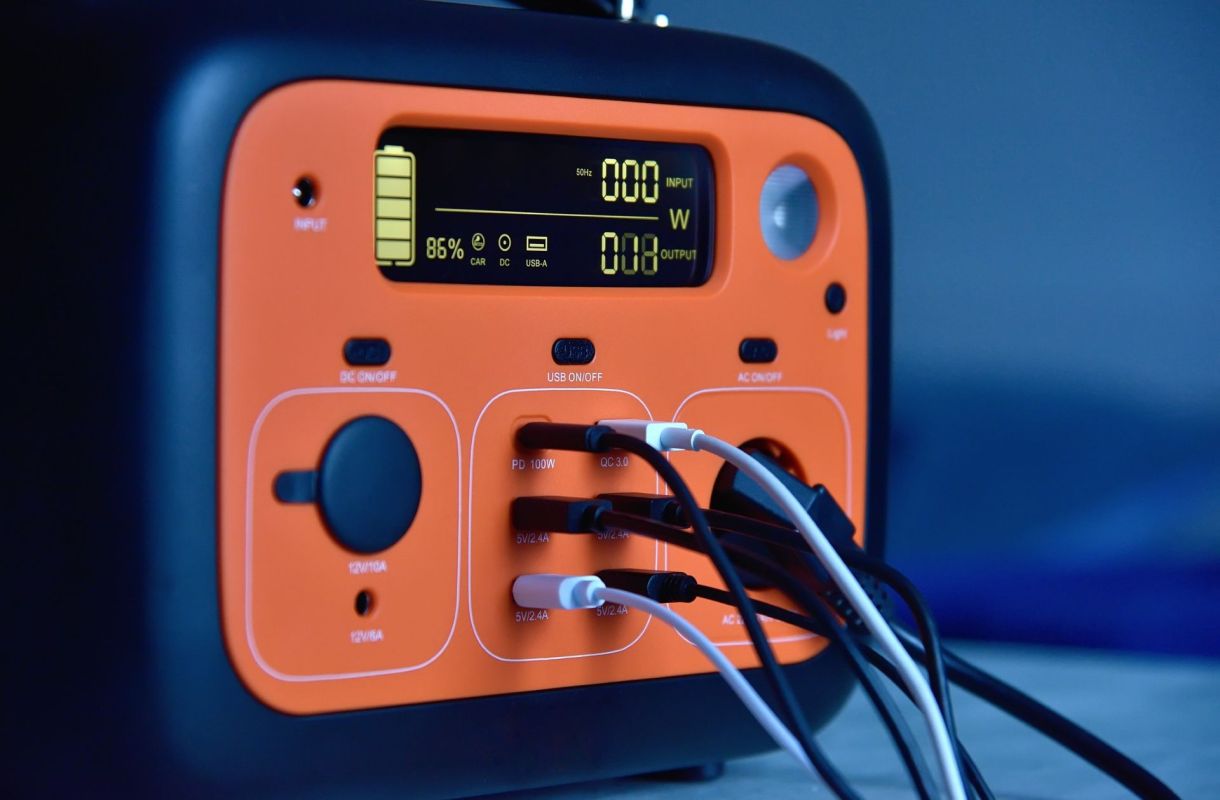
Keeping the refrigerator running and the Wi-Fi on during a power outage may seem like a simple goal. But one homeowner wrestled with whether a portable power station or a wall-mounted home battery was the right way to go.
Here's what to know
On Reddit, the homeowner said that repeated outages influenced their decision to explore backup power options.
"I don't really need to power everything, but I'd like to keep the fridge running, the wifi on, and a few lights working when the power goes out," they shared.
They were stuck, however, on whether the convenience of a portable station outweighed the benefits of a permanent setup.
Whole-home batteries can protect homeowners against grid instability. Meanwhile, on time-of-use electricity plans, stored power can reduce the need to purchase electricity during peak-price periods, helping households manage rising energy costs. Battery leases can also help homeowners protect their homes without spending upward of $20,000 upfront.
For shoppers weighing backup storage, EasyHome's marketplace offers unique prices and exclusive deals from trusted partners.
More background
With a furnace and water heater downstairs and a refrigerator upstairs, another Reddit user said they were planning a permanent battery installation with a goal of 24 hours of backup.
"Worse comes to worse, I can buy a portable generator and recharge the batteries during the day and sleep peacefully through the night without noise," they wrote.
Crushed by your bills? See instant solar savings from vetted installers in just a few clicks With energy prices through the roof, there's never been a better time to go solar — and EasyHome can help you find the best prices from the best installers in your area. EasyHome takes the guesswork and headaches out of energy upgrades by showing you estimated savings from a network of vetted local partners. To get started, just enter your ZIP and share a few details about your home — seeing your estimate is really that easy. |

For a smaller-scale approach, Pila offers a plug-and-play battery backup alternative for essentials at a substantially lower price point than whole-home systems.
What can be done?
As the thread highlighted, the right approach depends on your goals and local regulations.
One shared that generators came with many restrictions in their area, so they opted for a 16-kilowatt-hour battery. Another appreciated the flexibility of a plug-and-play rolling power station paired with 800 watts of solar panels. They later added a 48V standalone battery.
"I eventually plan to use it mainly to recharge my power station, but I may also add an additional inverter down the road," they explained. "I like that it gives me options."
For homeowners considering a permanent installation, EasyHome works like Groupon for home energy, negotiating unique offers for its large audience of battery shoppers. It also offers special solar deals. Pairing solar with a battery can increase long-term savings.
As one commenter advised, "You need to figure out how much power you need and for how long, and base your decision on that. Portable units might not be enough for what you want."

Get TCD's free newsletters for easy tips, smart advice, and a chance to earn $5,000 toward home upgrades. To see more stories like this one, change your Google preferences here.






