


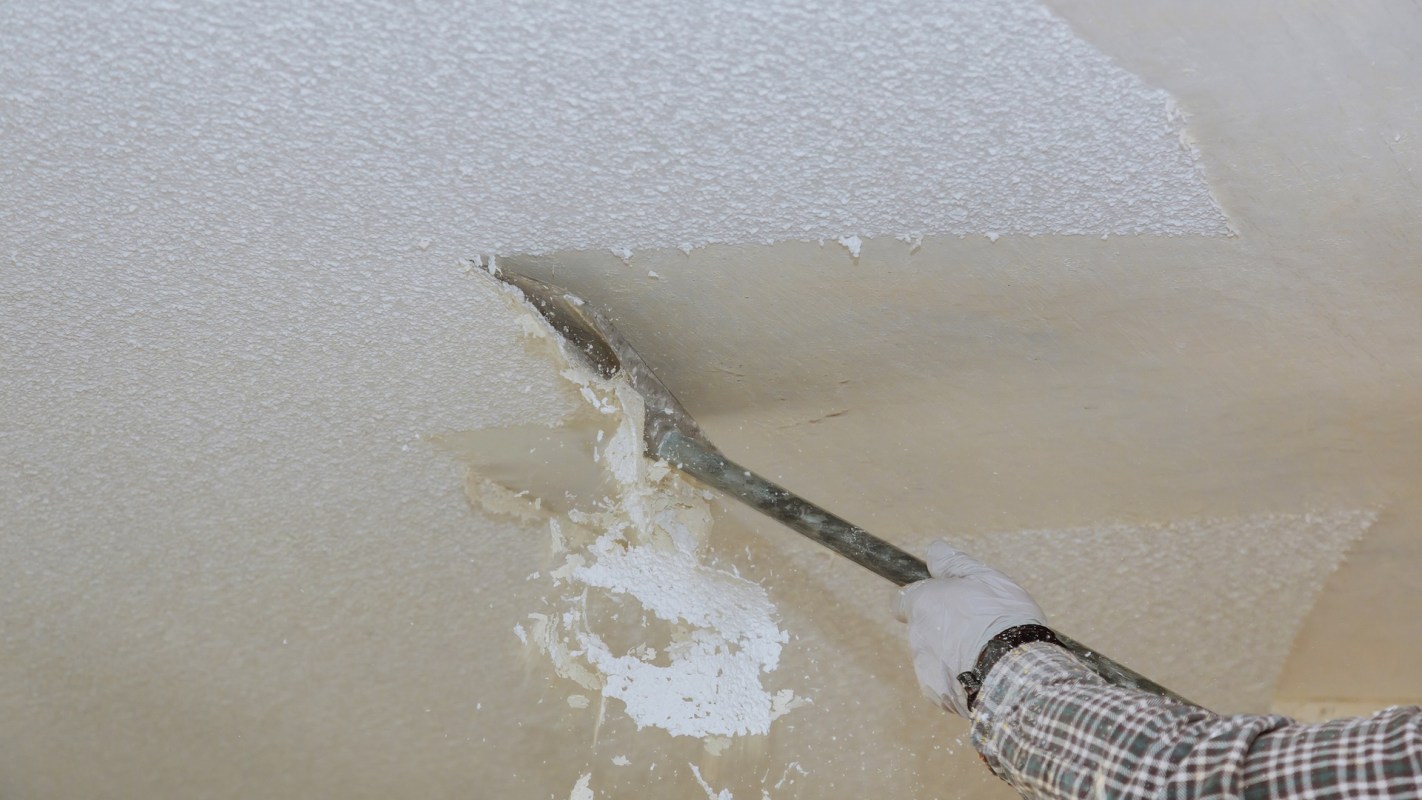
For many first-time homeowners, the biggest renovation dilemma is not a broken appliance or a leaking pipe.
One new buyer of a mid-1980s house, already juggling paint, bathroom flooring, and kitchen cabinet updates, asked whether the home's popcorn ceilings were worth removing, or whether doing so would only unleash a dusty, expensive mess.
Here's what to know
The debate surfaced in a post on Reddit's r/HomeImprovement forum, where the homeowner questioned whether popcorn ceilings are genuinely a drawback or mostly a feature that has fallen out of favor.
The original poster asked, "Are popcorn ceilings really that bad or do ppl hate them because they are told to hate them?" The OP added that "I wouldn't ask for it, but I also don't hate it. But I worry about when we sell again. Plus, if we ever want to [remove them], now would be the best time to do so."
Redditors in the discussion framed the issue less as a style choice and more as a question of how much work would follow once removal starts. For many, the texture itself was easier to tolerate than the cleanup and repair process that can come with taking it down.
One commenter summed up the tradeoff, writing, "Scraping is easy, everything that follows sucks. ... I will never do that job [large scale drywall] again."
TCD Picks » Quince Spotlight
💡These best-sellers from Quince deliver affordable, sustainable luxury for all




The top commenter said they were "pretty neutral" on the ceilings and that although removing the texture in a small bathroom was doable, "fixing the drywall and taping underneath was a nightmare."
Several homeowners cautioned that popcorn texture often covers less-than-perfect ceiling work. Once it is removed, taped seams, patches, and other flaws may be exposed and need additional repair. That can mean more money, more materials, and much more time, all while homeowners are already trying to prioritize essentials such as flooring, painting, and move-in logistics.
Some replies pointed to benefits as well. Commenters said the texture can help soften sound and conceal imperfections, while the main downsides mentioned were dust, cobwebs, and the extra difficulty of cleaning compared with a smooth ceiling.
The age of the home also came up. One commenter wrote, "If the house was built in the mid 80s to 90s, it doesn't have asbestos," while another commenter said their 1978 home did contain it. For older homes, that distinction can raise the stakes significantly before any renovation begins.

Get TCD's free newsletters for easy tips, smart advice, and a chance to earn $5,000 toward home upgrades. To see more stories like this one, change your Google preferences here.






