


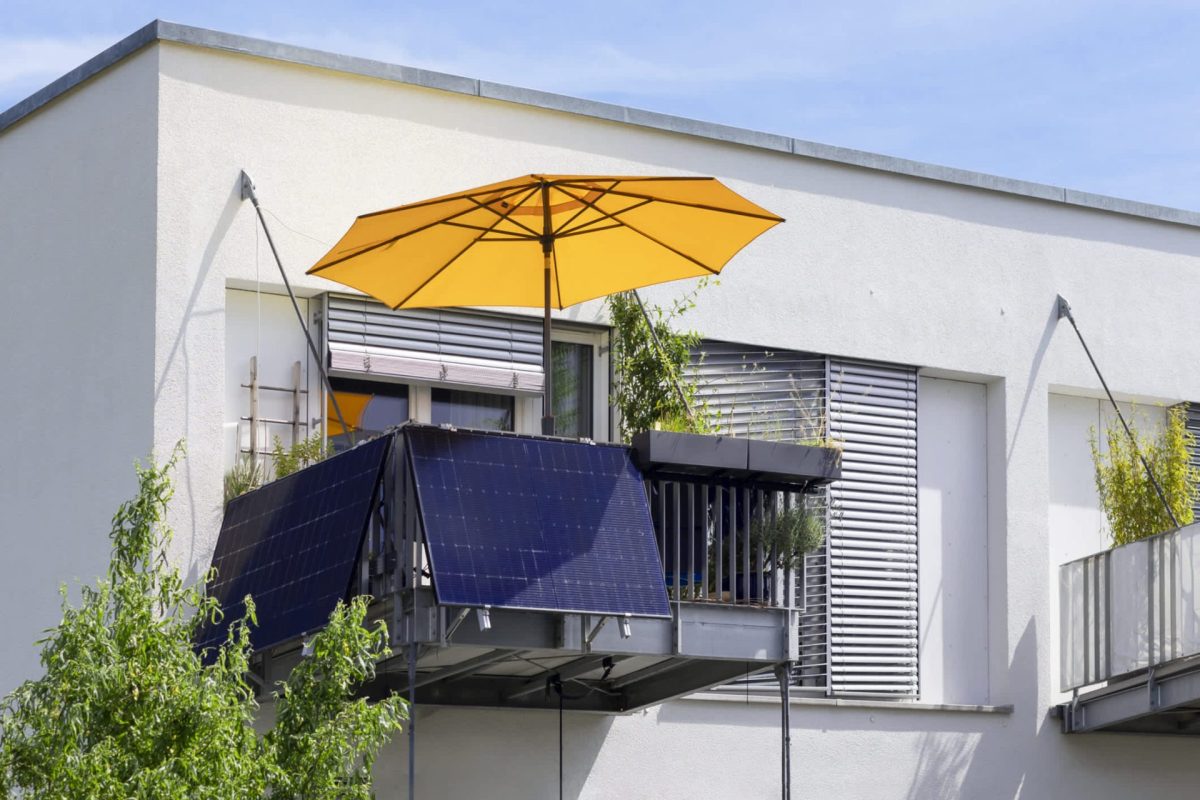
Plug-in solar can appeal to people hoping to cut electric bills without taking on a rooftop project, but the idea can also be alarming. That uncertainty showed up in a recent post on Reddit, where a user wrote, "I'm just starting to look into plug-in solar," after watching videos about setups that connected through a regular 120-volt outlet or a larger 240-volt outlet.
What's happening?
The main point of confusion was about safety: Homeowners are told to use transfer switches or lockout devices with generators to prevent dangerous backfeeding, so why would plug-in solar be any different?
The short answer is that plug-in solar and backup generators are designed for different jobs. A portable generator is meant to keep powering circuits during an outage, which is why it can become dangerous without proper isolation. A grid-tied solar setup, by contrast, is designed to sync with utility power and automatically stop sending electricity when the grid goes down.
In other words, plug-in solar is meant to reduce the amount of electricity a home is drawing, not to act as a whole-home backup system in an emergency. It is easy to understand the concern, though, when, as the poster put it, "It either plugs right into a 120v plug or plugs into a bigger 240v outlet much like you'd use to power the entire house from a whole-house generator."
Going solar is one of the best ways to save money on home energy, and that helps explain growing interest in simple entry points such as plug-in systems. For homeowners weighing larger options, EnergySage offers free tools to get quick solar installation estimates and compare quotes.
Why does it matter?
Social media clips can make home energy upgrades look more plug-and-play than they really are. In reality, local codes, utility interconnection rules, and circuit limits can all affect whether a setup is allowed and how it has to be installed.
Small solar systems may reduce daytime electricity use, while full rooftop arrays can deliver much larger utility bill savings. However, those savings depend on using equipment that is code-compliant, properly sized, and approved for the local grid.
What can I do?
If you're considering plug-in solar, start by checking your utility's interconnection requirements and your area's electrical code. A licensed electrician can help determine whether a standard outlet setup is permitted or a dedicated circuit is needed and whether a more conventional rooftop system would be a smarter investment.
Save $10,000 on solar panels without even sharing your phone number Want to go solar but not sure who to trust? EnergySage has your back with free and transparent quotes from fully vetted providers that can help you save as much as $10k on installation. To get started, just answer a few questions about your home — no phone number required. Within a day or two, EnergySage will email you the best local options for your needs, and their expert advisers can help you compare quotes and pick a winner. |

EnergySage's free services can take uncertainty out of that comparison process. Readers can also use EnergySage's solar map. Together, those resources can help you get the best price for rooftop solar panels and access available incentives.
Additionally, adding battery storage to a solar setup is one of the best ways to protect your home during outages, save money on energy, and go off-grid. Homeowners who want backup power can also explore EnergySage's free tools for information about home battery storage options, including competitive installation estimates.

Get TCD's free newsletters for easy tips, smart advice, and a chance to earn $5,000 toward home upgrades. To see more stories like this one, change your Google preferences here.






