


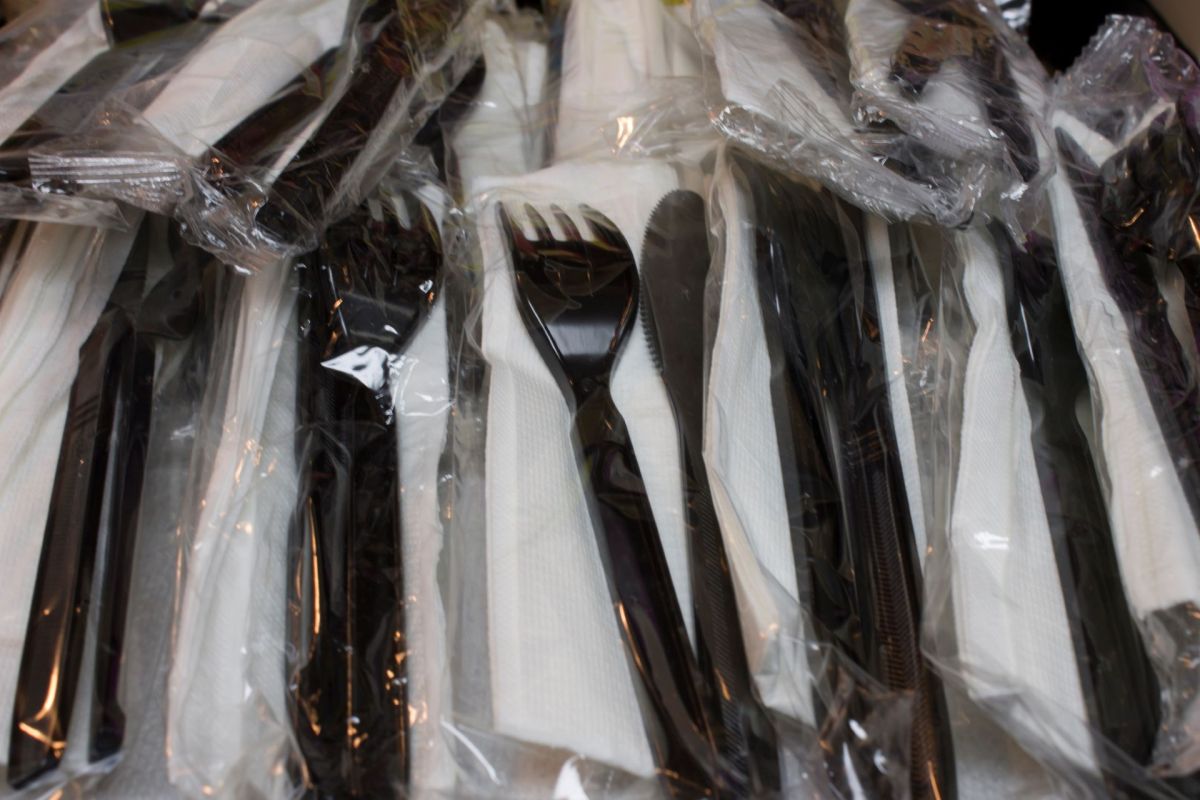
While helping clear out a friend's home, one member of the zero-waste movement ran into a disposal headache: about a pound of grimy plastic knives that seemed destined for the garbage, as they were too dirty to use and not easily recyclable.
They went to Reddit for a solution because they didn't want the plastic to end up in a landfill.
Items made to be used once can stick around for years, and figuring out how to get rid of them responsibly is often far less simple than it should be.
What happened?
On a post in the r/ZeroWaste forum, the user described uncovering a stash of plastic knives during a house cleanout. The utensils were over five years old, some were "pretty nasty," and they were likely not recyclable.
Rather than giving in and throwing away the plastic, the poster said they wanted an option that was less wasteful.
Commenters were split over the best next step. Some said they could offer the knives to community groups or find non-food uses for them, while others argued that most people would not want to receive them.
TCD Picks » Quince Spotlight
💡These best-sellers from Quince deliver affordable, sustainable luxury for all




In the conversation, the focus widened beyond this one batch of utensils to the broader challenge of plastic disposal when reuse and recycling options are limited or unclear.
Why does it matter?
The frustration behind the post reflects a reality for many zero-waste households. Single-use plastics are designed for short-term convenience, but dealing with the fallout can turn into a yearslong problem.
Plastic cutlery is especially hard to manage. Even when a plastic item looks recyclable, local curbside programs often reject small items, mixed materials, or anything contaminated with food or dirt. That leaves people with a product that was cheap to make and easy to hand out but unexpectedly difficult to dispose of responsibly.
That burden does not fall on the manufacturers or businesses that distributed the cutlery. Instead, it lands on families, renters, friends handling cleanouts, and sanitation systems that are already under strain.
Communities are left to deal with the leftovers of a throwaway culture that keeps producing plastic faster than many places can reuse or recycle it.
What can I do?
If you end up with old disposable utensils, the first step is to evaluate their condition honestly. If they are cracked, brittle, stained, or unsanitary, donation is not the best option, even if throwing them away feels wasteful.
If they are clean and still usable, it may be worth checking with a local group, classroom, craft space, shelter, or event organizer before dropping them off. Reuse can be helpful, but only if the items are actually going to be employed by someone else.
When recycling is not available, specialty programs may also be worth considering. Some areas offer drop-off sites or mail-in services for hard-to-recycle plastics that curbside bins do not accept, though those programs vary widely and may involve a fee.
Prevention is the best policy. Skipping disposable cutlery with takeout orders, carrying a reusable set, and supporting businesses that avoid unnecessary plastic can reduce the odds that a forgotten pile will sit around for years waiting for someone to deal with it.
For the original poster, the goal was avoiding putting the knives in the trash. The fact that even a small pile of plastic utensils can create that kind of dilemma speaks to a system with no clear answer for the waste it generates.

Get TCD's free newsletters for easy tips, smart advice, and a chance to earn $5,000 toward home upgrades. To see more stories like this one, change your Google preferences here.






