


Pittsburgh residents are increasingly being forced to do the math on generators, coolers, and spoiled groceries after repeated storms left them without electricity for hours, days, and in some cases nearly a week.
For many families, the frustration goes beyond severe weather. It is also about continuing to pay a utility bill while still feeling unprepared every time the lights go out.
Here's what to know
A September storm in Pittsburgh that was described as a "1-in-100-year storm" left 60,000 customers without power, Pittsburgh's Public Source reported.
But before that, an April 2025 derecho caused even more widespread damage and outages that lasted as long as a week. In the aftermath of this storm, both the City of Pittsburgh and Allegheny County issued disaster emergency declarations.
Criticism focused heavily on how Duquesne Light Company communicated with customers and managed restoration after the damage. Matt Neistein, Duquesne Light Company's director of communications and brand, acknowledged the severity of the breakdown, saying the April 2025 storm "was certainly a milestone for our company, and not a good one."
Questioning whether the utility had been ready, Allegheny County put the issue before a special county committee on emergency preparedness and after-action review. DLC responded with a five-year, $2.7 billion improvement plan, but outages were still affecting around 4,000 Allegheny County customers when remnants of Tropical Rainstorm Isaias passed through last month.
TCD Picks » Quince Spotlight
💡These best-sellers from Quince deliver affordable, sustainable luxury for all




More background
Residents, meanwhile, have had to shoulder the financial hit themselves.
Bellevue resident Maerian Morris said her family, which is on a fixed income, is weighing a whole-home generator because losing food stored in a chest freezer and three refrigerators "is a significant hardship."
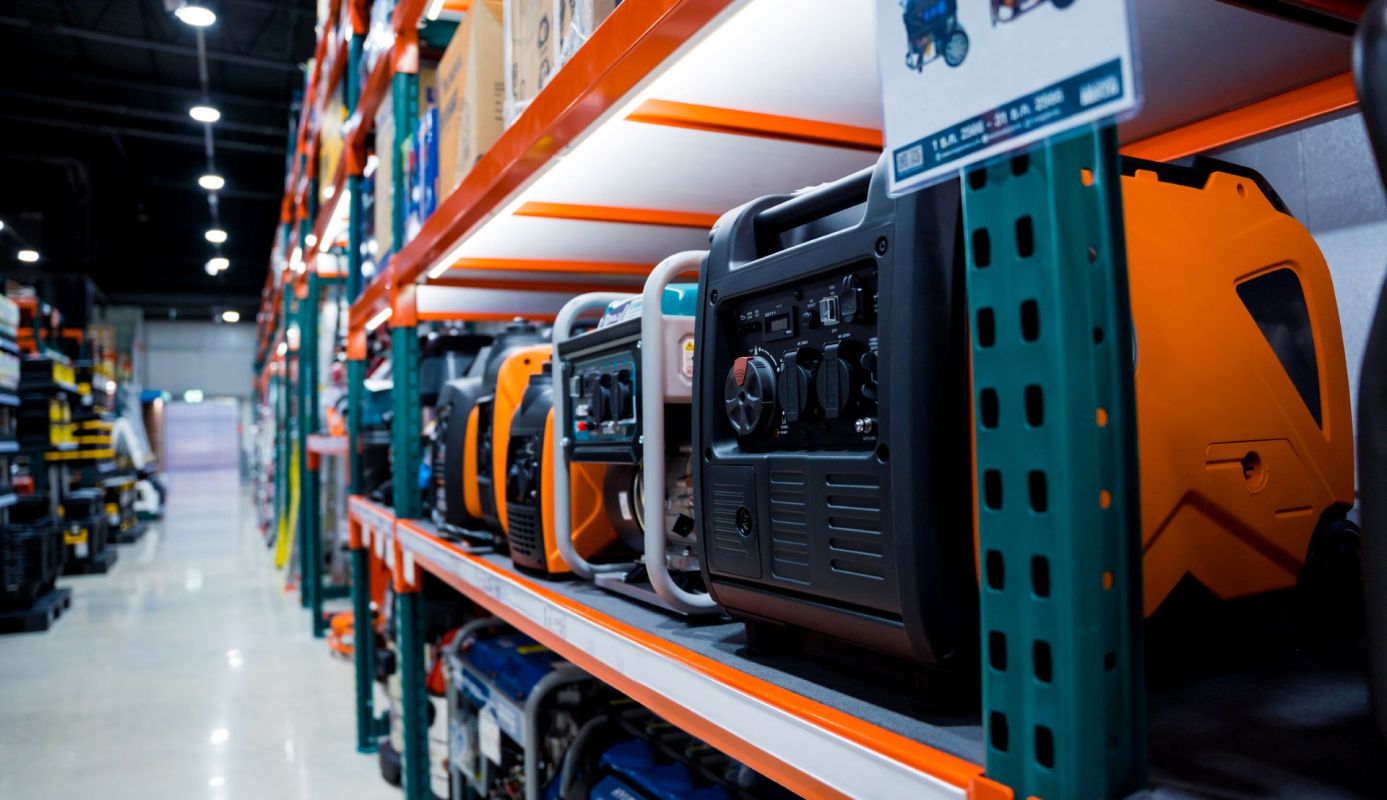
Pet care business owner Jill DellaSalla said the April 2025 storm left her without electricity for a week. She got through it with car chargers, a battery lantern, rechargeable fans, two coolers, and repeated trips to as many as six stores for ice. By the fifth day, after losing a refrigerator and freezer full of food, she ordered a generator.
"I was born in this house and we never used to lose electricity," she said. "Now I get anxious every time it storms."
In Fox Chapel, Melinda Guinn said neighbors have been installing generators, and her household is considering a battery backup for its solar array.
Aspinwall resident Alicia Cahall said her family has "at least four outages every year that are longer than a day," disrupting school and camp for her two small children.
What's being done?
Duquesne Light Company said it changed several parts of its storm response. Neistein said the company now automates requests for contractors to handle downed lines and damaged equipment instead of relying on individual phone calls, and he said it has also improved its outage maps, expanded call center capacity, and made customer text messaging two-way so residents can confirm whether power has actually been restored.
The company's broader strategy is an "overall hardening of the grid," including replacing older equipment and increasing vegetation management efforts. Neistein estimated that the utility will prune or remove 40,000 trees, focusing largely on public rights-of-way while contacting homeowners when dangerous trees on private property threaten power lines.
Even so, the company argued that the most obvious fix — burying lines underground — would take far more time and money. Neistein said undergrounding can cost about $1 million per mile or more, adding up to billions of dollars that would ultimately be passed on to customers, while underground repairs can also be harder to carry out.
Neistein stressed the importance of keeping phone numbers updated with the utility and reporting dangerous trees before storms arrive.
For Reserve resident Matthew Jacob, however, the financial reality is becoming harder to ignore.
"If there's any storm that causes outages somewhere in the city, we lose power here too for at least a day. The storm that caused week-long outages was at least five days here," he said.
"There should be some investigation into what method, if any, DLC uses for triaging storm response. … I'm going to have to invest in a generator. Replacing a fridge full of food once a year is not sustainable. It's absurd that DLC doesn't have to in any way compensate customers for lengthy outages but our rates continue to increase."
Where can I learn more?
Families weighing generators or battery backups can also look at how other households and utilities are preparing for longer outages.
• Generac is betting home batteries can replace generators as outages grow longer.
• Homeowners are turning to next-gen battery backups for blackout protection.
• After a hurricane, one homeowner found solar panels helped keep the lights on when neighbors went dark.
• In Texas, communities are building microgrids that hold power through severe storms.
• In Florida, Myrtlebrook tested a sun-powered microgrid for residents during heavy storms.

Get TCD's free newsletters for easy tips, smart advice, and a chance to earn $5,000 toward home upgrades. To see more stories like this one, change your Google preferences here.






