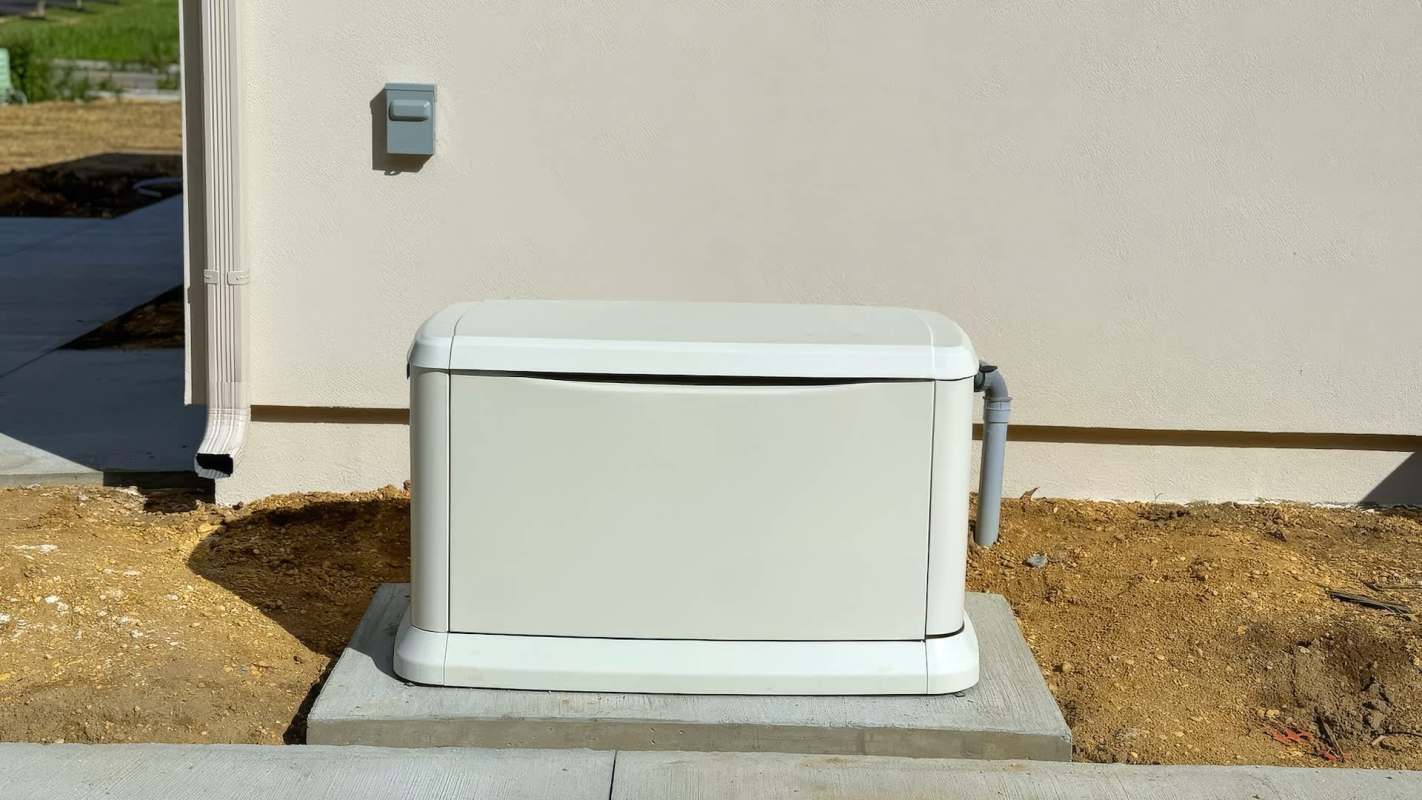
As power outages grow longer around Pittsburgh, residents are facing an increasingly expensive choice. They can spend up to $15,000 on a backup generator or risk spoiled food, damaged appliances, and disrupted routines.
Here's what to know
WESA reported Pennsylvania's major power outage events affected approximately 696,000 customers in 2024 and about 1.7 million in 2025, according to Pennsylvania Public Utility Commission figures.
Weather is a rising factor, the Pennsylvania Public Utility Commission found. It contributed to 52 of Pennsylvania's 55 reportable outages in 2025, even though the total number of reportable outages fell from 2024's level.
Duquesne Light's SAIDI index, which measures average outage duration, put annual interruptions around Pittsburgh at roughly three hours in 2024, compared with about 70 minutes back in 2016.
More background
A September outage ended with a power surge that damaged Carnegie Mellon University associate professor Destenie Nock's refrigerator, as WESA reported.
Nock, an associate professor of engineering and public policy and of civil and environmental engineering at Carnegie Mellon University, told the station she spent hundreds of dollars on a new refrigerator and replacement groceries.
TCD Picks » Quince Spotlight
💡These best-sellers from Quince deliver affordable, sustainable luxury for all




A nearby relative's home had also lost power, so Nock couldn't stay there. It was her second outage of the year, and she could hear neighbors' generators running outside.
According to WESA, Nock said the moment led her to question whether households or utilities should pay for resilience. Her losses weren't just financial. She lost her daughter's milk and couldn't run the sound machine that helped her child sleep.
University of Pittsburgh associate professor Brandon Grainger, who directs its Electric Power Technologies Laboratory, told the outlet that Pittsburgh's heavy tree cover poses another challenge.
Falling trees, limbs, and ice threaten Pittsburgh's electrical system, where power lines run above ground amid that heavy tree cover.
What's being done?
Grainger relayed to WESA that utilities are improving their electricity-demand forecasts while upgrading aging infrastructure.
"We're trying to come up with better predictive routines to forecast these issues so we don't have these disturbances you've seen over the last couple years," Grainger said.
Professionally installed permanent standby generators can cost up to $15,000, the station reported. Residents can also choose portable gas-powered or solar units that sell for hundreds of dollars.
Generator installer RC Watt warned that someone who calls in November shouldn't expect a generator before Christmas. They explained to WESA that hiring efforts are underway to keep up with rising demand and double-digit industry growth.
Nock is still considering buying a generator, but the decision comes back to the cost of keeping basic household necessities working.
"I think we need to start considering reliability to be, 'I can use all the energy I need in my home to meet my basic needs without inducing financial stress,'" Nock concluded to the outlet.

Get TCD's free newsletters for easy tips, smart advice, and a chance to earn $5,000 toward home upgrades. To see more stories like this one, change your Google preferences here.
Cool Picks