


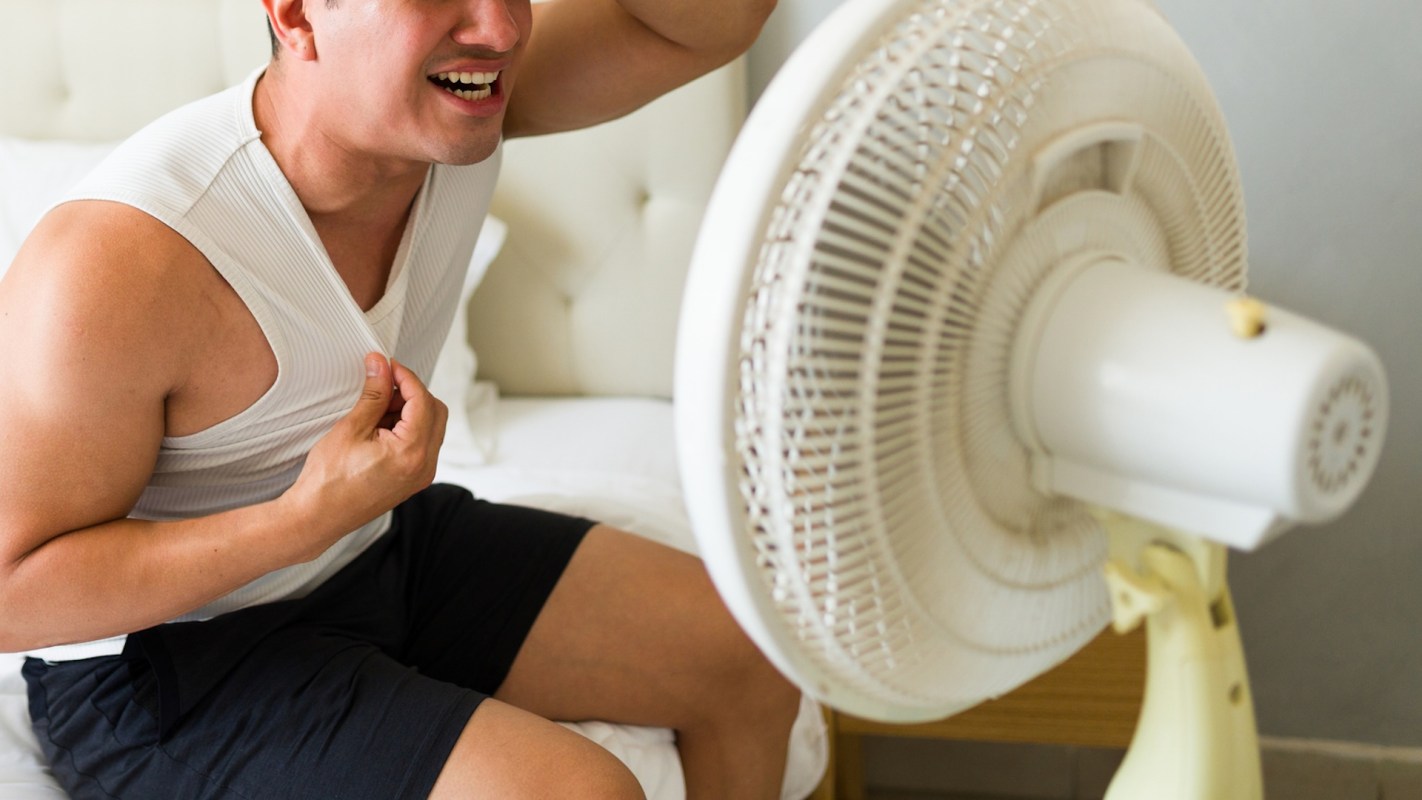
When an apartment's cooling system fails in Phoenix, it is far more than a simple inconvenience. At one central Phoenix complex, repeated shutdowns left tenants without water or cooling during some of the hottest days of the year, including one day when temperatures hit 117 degrees.
Here's what to know
According to The Arizona Republic, tenants said that outages at the Rise Biltmore have happened repeatedly. On Aug. 26, for example, residents got a 10:23 a.m. message saying water and cooling would be shut off for routine maintenance for about three hours, and management did not report service restored until nearly five hours later.
After hourslong interruptions, resident Tatiana Melendez circulated a petition saying management's fixes were only temporary. The Republic reported that message logs listed shutdown notices on Aug. 1, Aug. 26, Aug. 27, Aug. 30, Sept. 1, and Sept. 8.
"They're not fixing the underlying problem," Melendez said.
According to a Rise48 Equity spokesperson, the property's centralized chiller system was affected by a water-main problem. The spokesperson told the Republic that management tries to address issues at the aging complex "immediately."
"We are always actively addressing building infrastructure and other areas that had been neglected under previous ownership or have experienced wear and tear over time," the spokesperson added.
TCD Picks » Quince Spotlight
💡These best-sellers from Quince deliver affordable, sustainable luxury for all




More background
In Arizona, losing indoor cooling can quickly become life-threatening. The Republic, citing Maricopa County data, reported 430 deaths in 2025 in which heat exposure was either a direct cause or a contributing factor, and among those that happened indoors, more than 70% involved either a broken air conditioner or no electricity.
More than 35% of the heat deaths confirmed in 2026 had occurred indoors. Using preliminary Maricopa County figures, the outlet said that as of Sept. 12, 185 heat-related deaths had been confirmed and roughly 600 more were still being investigated.
Across the country, some landlords and property rules also prevent residents from making
money-saving changes such as gardening or hanging clotheslines to dry laundry, even though those efforts can reduce bills and help homes stay more resilient during extreme weather.
When service fails, resident Valerie Castañeda said she leaves for her gym instead of remaining in the apartment.
"Who wants to come home in this extreme weather?" Castañeda said.
What can be done?
Phoenix's ordinance says cooling systems must stay in working condition, and apartments generally need to cool to 82 degrees or below with air conditioning or 86 degrees or below with evaporative coolers.
Javier Guerra, a counselor with Phoenix's Landlord and Tenant Program, told the Republic that making those repairs is the landlord's job.
"They have to maintain and repair the unit," Guerra said.
Robin Dugas, an attorney with Cronus Law, said tenants should act right away by giving written notice when cooling stops working, preferably through hand delivery or certified mail, and by keeping a record of indoor temperatures.
Dugas said tenants should be skeptical of internet advice that oversimplifies Arizona law. She said renters may have options such as contacting code enforcement, seeking reimbursement for hotel stays or other temporary housing, or going to court, but they generally cannot simply withhold rent over a broken cooling system, and attempting self-help repairs can create legal and financial trouble.
Dugas told the Republic: "You don't just sit in your hot apartment for five days. Especially once the temperature exceeds a certain amount, especially if you're elderly, or you have chronic illness, children. It is a health and safety issue."
Where can I learn more?
Phoenix renters dealing with dangerous indoor heat are far from alone. These articles show how broken AC, weak rules, and poor documentation can turn a maintenance problem into a real health risk.
• Across the U.S., policy gaps allow landlords to leave renters sweating through worsening heat waves.
• In another hot region, a tenant posted a thermostat near 100 after cooling failed.
• Some property owners even threaten eviction for using air conditioning during record-breaking summer heat.

Get TCD's free newsletters for easy tips, smart advice, and a chance to earn $5,000 toward home upgrades. To see more stories like this one, change your Google preferences here.






