


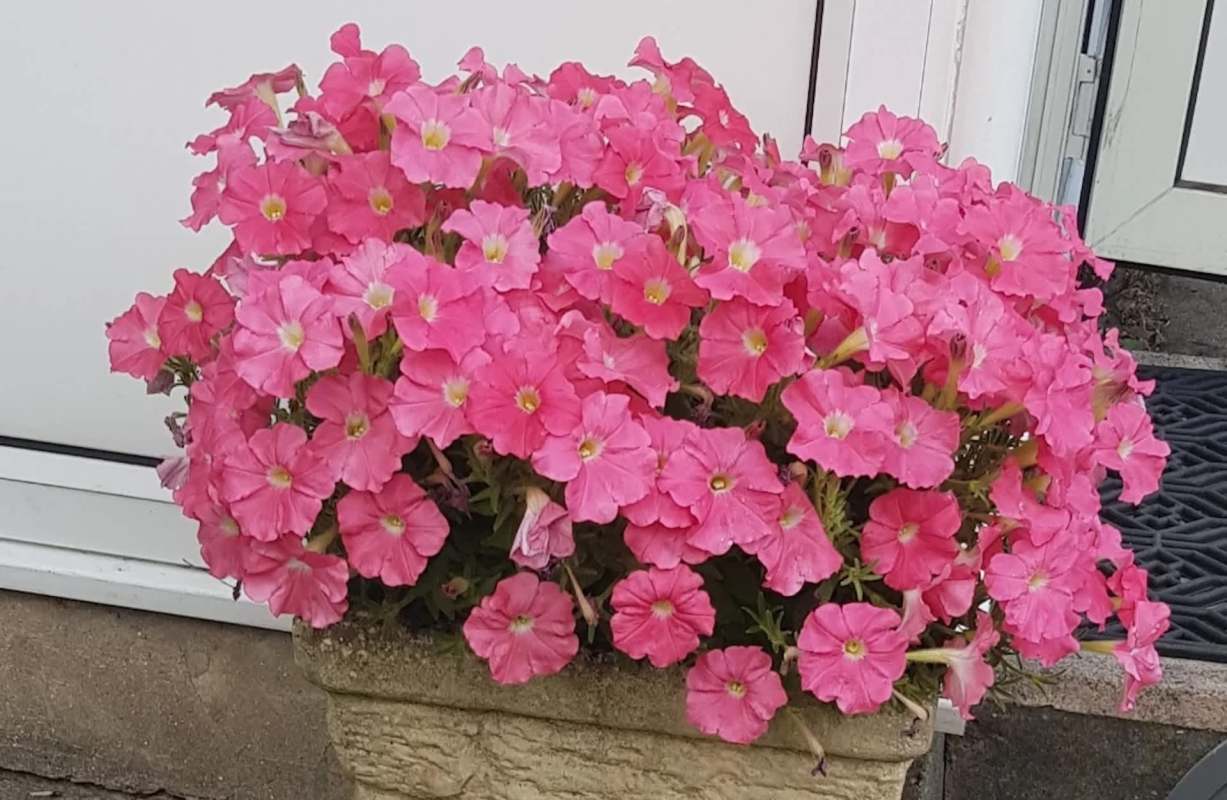
Gardeners who want color without a lot of fuss are finding plenty to like about petunias online. In one recent conversation on r/gardening, praise for the flower turned into a useful exchange about beginner-friendly bloomers that can keep going even with fairly minimal care.
What's happening?
The discussion started when a gardener on Reddit explained why petunias have become a favorite.
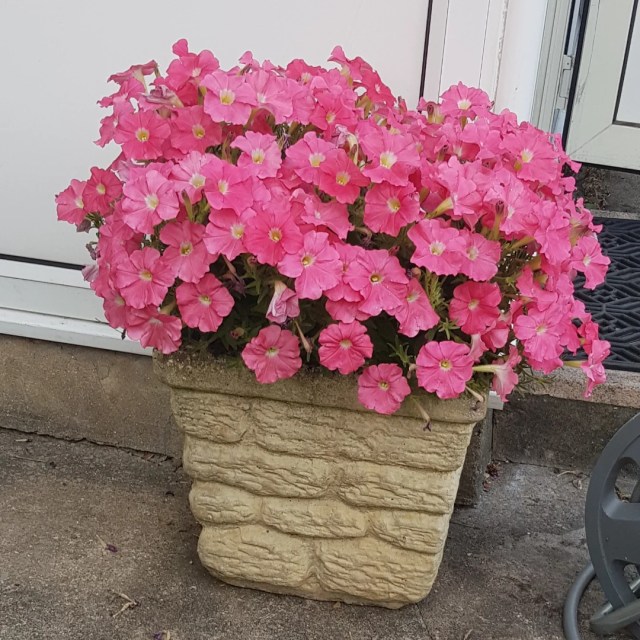
"I freaking love petunias," they wrote. "Everywhere I put them they just thrive. I do nothing for them but deadhead them and they just go all summer long."
As more people replied, the list expanded beyond petunias. Marigolds, nasturtiums, catmint, and calibrachoas were all mentioned as reliable flowers for sunny spots, containers, and garden borders.
"Marigolds and Nasturtiums are definitely easy mode too," one commenter opined. "Nasturtiums actually thrive on neglect. If you feed them too much fertilizer, you just get all leaves and no blooms."
Why does it matter?
Low-maintenance plants can brighten outdoor spaces and create habitat for pollinators without requiring expensive equipment or expert-level knowledge.
TCD Picks » Quince Spotlight
💡These best-sellers from Quince deliver affordable, sustainable luxury for all




They can also be a starting point for rethinking the traditional lawn. Replacing all or part of a grass lawn with native plants, clover, buffalo grass, or xeriscaping can save time and money on mowing and upkeep while lowering water bills. It can also reduce the need for fertilizers and support bees, butterflies, and other beneficial insects.
Even a partial lawn replacement can offer those benefits. Adding easy flowers along borders, in pots, or in a converted section of the yard can make outdoor spaces more resilient without requiring a full redesign.
It also reflects a broader shift toward practical, lower-input landscaping. More homeowners are looking for yards that are attractive, less expensive to maintain, and better suited to local growing conditions.
What can I do?
A good way to try this approach is to begin with a small planting of sun-loving flowers such as petunias or marigolds.
Place them in containers, garden beds, or along walkways, and keep an eye on whether they are getting enough sun and water. Even low-maintenance plants still need the right location.
For a bigger change, consider reducing a patch of conventional turf.
Native plants are often among the best choices because they are adapted to local soil and weather. Clover can stay green with less upkeep, buffalo grass can be a durable low-water alternative in some regions, and xeriscaping can significantly reduce watering needs in dry climates.

Get TCD's free newsletters for easy tips, smart advice, and a chance to earn $5,000 toward home upgrades. To see more stories like this one, change your Google preferences here.






