


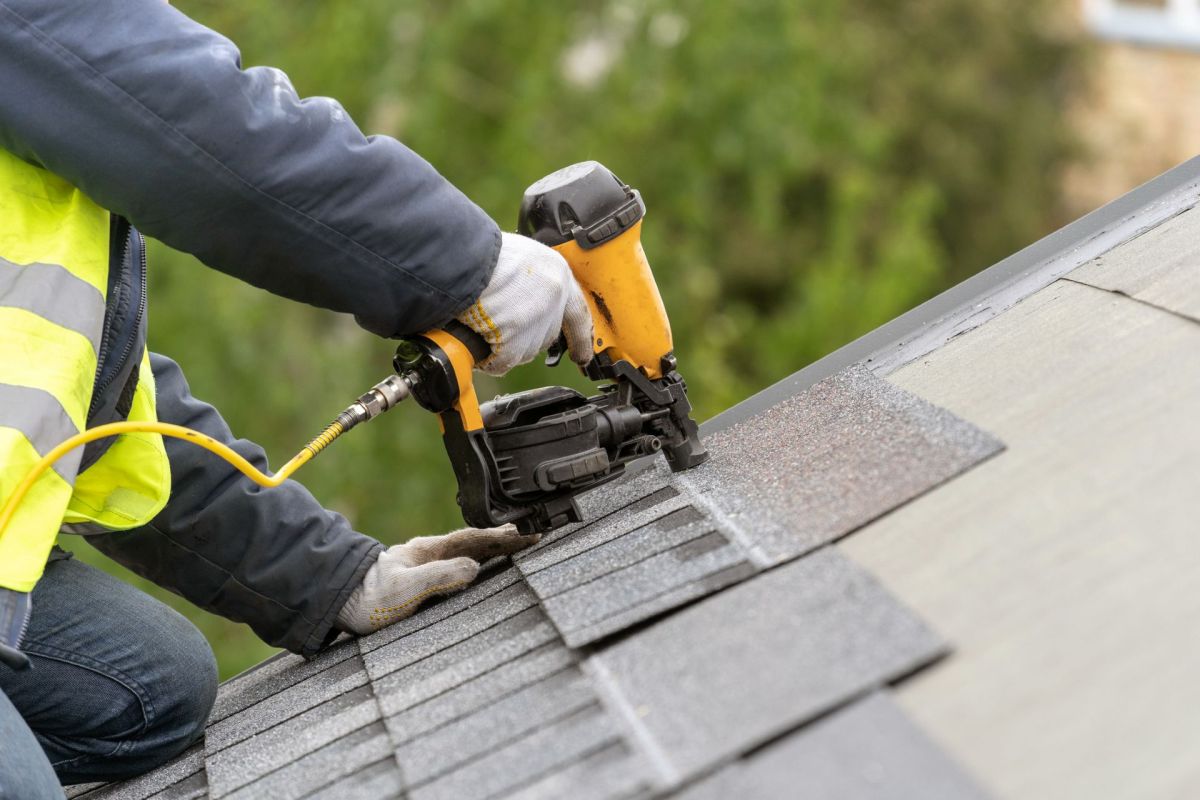
Low-income Pennsylvanians who own older houses no longer have access to the state repair aid that once helped pay for major problems such as failing roofs, damaged foundations, and outdated wiring. With Whole Home Repairs no longer funded, many families have few ways to cover those costs.
Here's what to know
According to WESA, Pennsylvania created the Whole Home Repairs program in its 2022-23 budget using $125 million in federal COVID-relief money. It provided grants of up to $50,000 for major home repairs, helped more than 4,000 homeowners across the state, and has not been reauthorized since the funding ran out.
Even after the program ended, residents continue contacting ACTION Housing to ask whether similar help is available, said Ian Thomas, the nonprofit's housing stabilization program manager.
"We receive at least five calls a day from people asking if we have anything like this or if we know of anyone that does," Thomas said. "And right now the only answer we can give them is: 'No.'"
More than 250 low-income homeowners in Allegheny County used the program, and a small number of projects there are still being completed. But the need was much greater than the funding available: ACTION Housing could help only about 1 out of every 20 applicants.
More background
The program was one of the few resources aimed at keeping older homes livable before repair issues became severe.
TCD Picks » Quince Spotlight
💡These best-sellers from Quince deliver affordable, sustainable luxury for all




Thomas said that matters especially in Pittsburgh and across Allegheny County, where much of the housing stock is aging and expensive to maintain.
When those repairs are delayed, living conditions can become more dangerous and communities can lose existing affordable housing.
Thomas said, "It's far cheaper to repair a home than to build new."
Research has also shown that the benefits of home repair extend beyond physical safety. A study by The Housing Initiative at the University of Pennsylvania, as cited by WESA, found that homeowners who received repairs reported less stress, a stronger sense that their home was an asset, and a greater ability to use it fully.
Urban planner and housing advocate Alan Mallach said, "Millions of people are living in unsafe, unhealthy houses."
What's being done?
Democratic state Sen. Nikil Saval of Philadelphia and Republican state Sen. David Argall have cosponsored legislation to restore Whole Home Repairs, showing the effort still has bipartisan backing even as budget pressures continue at the state level.
Argall said the need is especially clear in older communities in northeastern Pennsylvania.
"I have a lot of older homes in some of my communities that are in desperate need of repair," he told WESA.
In the House, Democratic Rep. Lindsay Powell of Pittsburgh and Rep. Brandon Markosek of Monroeville are backing a companion bill. That measure passed the House in a 122-80 vote but remains stalled in a Senate committee.
WESA reported that a pilot version of Whole Home Repairs was folded into the 21st Century ROAD to Housing Act, which later passed Congress and was signed by President Donald Trump. However, the pilot's status remains uncertain because HUD declined to comment.
Saval said restoring the program is about keeping people in safe homes.
"No one is checking [when] your house is in disrepair, whether you're a Republican or a Democrat," he said. "We want to keep Pennsylvanians housed."

Get TCD's free newsletters for easy tips, smart advice, and a chance to earn $5,000 toward home upgrades. To see more stories like this one, change your Google preferences here.






