


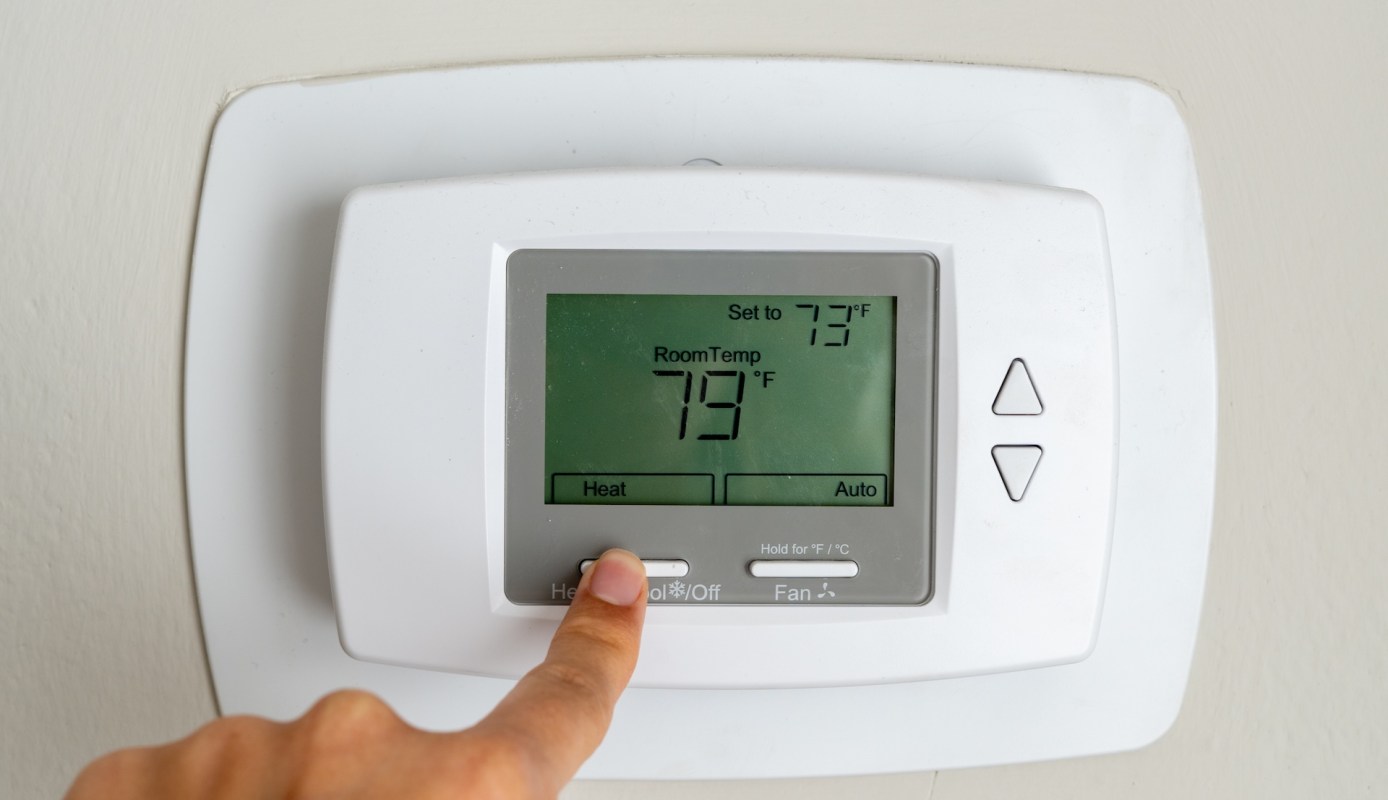
With winter fast approaching, Pennsylvania families who heat their homes with oil have been facing prices above $6 a gallon, more than twice as high as last year.
While government officials have planned a federal reserve release, experts have said the additional supply is unlikely to make a major difference in the market.
Here's what to know
The Trump administration planned to release 315,000 barrels from the Northeast Home Heating Oil Reserve, WHYY reported.
However, with 13% of Pennsylvania households — roughly 685,000 homes — relying on oil or kerosene for heat, that volume is unlikely to substantially reduce bills across the region.
"That's about a day's [worth of] consumption in the peak of the winter," said William O'Neil, a principal analyst at S&P Global Energy, per WHYY. "That extra supply would certainly help, but it's just a drop in the bucket."
In Pennsylvania, home heating oil prices have reached their highest level since at least 1990, according to the U.S. Energy Information Administration. Meanwhile, oil heat has also remained common outside Pennsylvania, with American Community Survey data showing that nearly 7% of households in Delaware and a little over 5% in New Jersey use heating oil or kerosene.
The rising price of diesel
Pennsylvania households that use heating oil have been feeling the impact of global supply problems in their home energy costs. O'Neil told WHYY that heating oil prices tend to rise with diesel, and diesel has gotten significantly more expensive due to ongoing conflicts in key fuel-producing regions.
For homeowners looking to protect themselves and their families from fluctuations in the global fuel market, home solar remains one of the best ways to save money on home energy. For those looking to reduce upfront costs, solar leases can still deliver hundreds of dollars in monthly savings. EasyHome's free explorer tool is a great way to estimate potential savings with quotes from vetted installers in your area.
Crushed by your bills? See instant solar savings from vetted installers in just a few clicks With energy prices through the roof, there's never been a better time to go solar — and EasyHome can help you find the best prices from the best installers in your area. EasyHome takes the guesswork and headaches out of energy upgrades by showing you estimated savings from a network of vetted local partners. To get started, just enter your ZIP and share a few details about your home — seeing your estimate is really that easy. |

What's being done?
The Department of Energy planned to auction reserve oil through terminals in Connecticut, Massachusetts, and Maine, WHYY reported. Suppliers that take oil from the reserve must replace it and return a premium as well.
According to Seth Blumsack, a professor of energy policy and economics at Penn State University, Pennsylvania suppliers could buy some of that fuel themselves or benefit indirectly if the added barrels ease prices in the regional market. He said, however, that the proposed release was too small to have more than a limited effect.
"It might help a little bit," he said, according to WHYY. "[But] that in and of itself is probably not going to be the cure for high home heating bills this winter."
Pennsylvania households seeking assistance can apply for the Low Income Home Energy Assistance Program starting November 2.
For those looking for greater energy independence through home solar, EasyHome's free explorer tool can also help homeowners compare solar options and look into backup battery storage. Using EasyHome to pair solar with a battery can help maximize savings and allow households to keep powering their home with solar energy when the grid goes down.
Where can I learn more?
High heating oil prices have been impacting households across Pennsylvania and the Northeast.
• In Pennsylvania, families faced an 'eating or heating' choice as oil rose past $5.50.
• Across the Northeast, households braced for $2,300 heating oil bills as Iran tensions jolted fuel costs.
• In Massachusetts, heating oil reached a 5-year high as New England prepared for winter pain.
• Massachusetts households were seeing a $2,627 heating-oil winter even as Gov. Maura Healey intervened.
• Across the Northeast, homeowners facing a $4,000 oil tank quote were weighing dual-fuel replacements.

Get TCD's free newsletters for easy tips, smart advice, and a chance to earn $5,000 toward home upgrades. To see more stories like this one, change your Google preferences here.






