


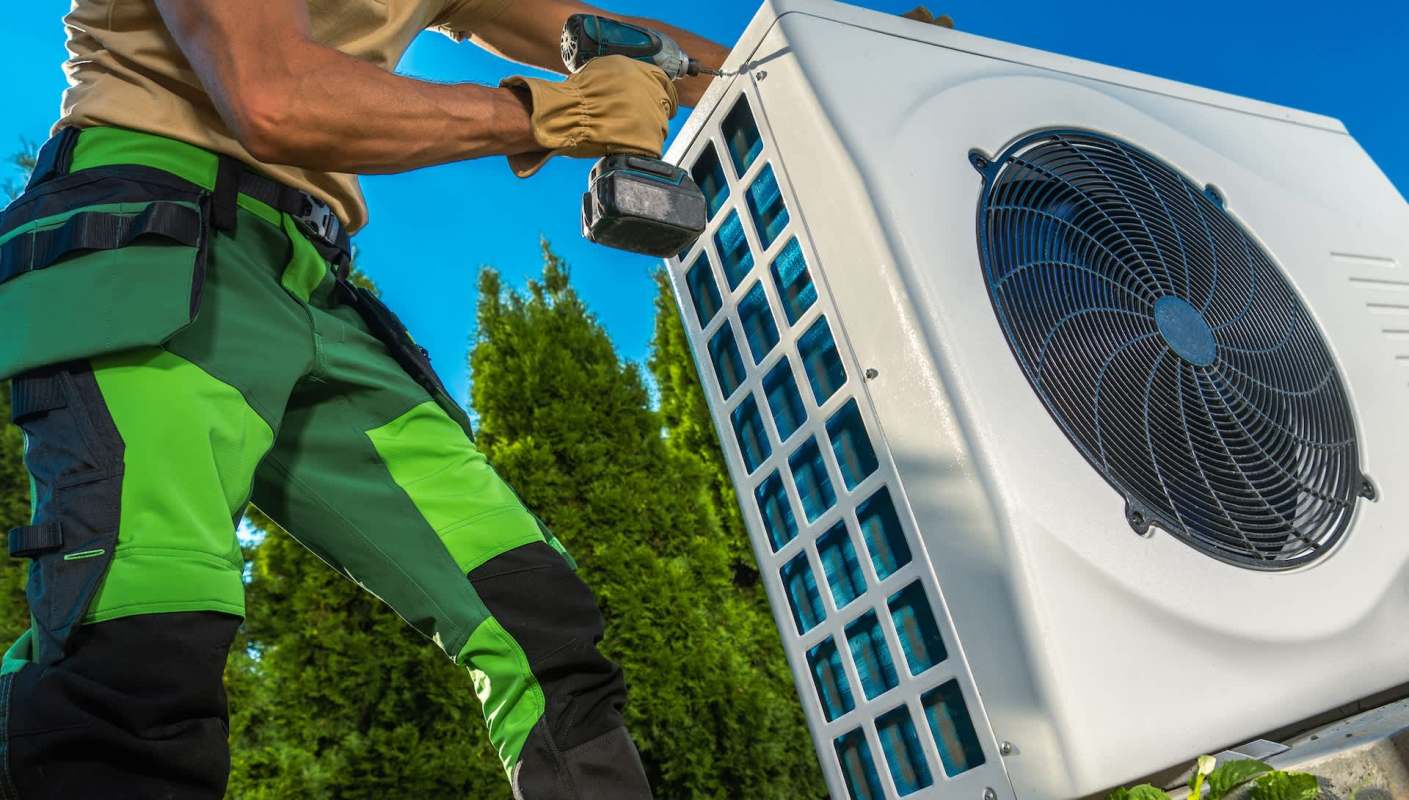
The Pennsylvania Department of Environmental Protection has launched a new program to train HVAC workers to install energy-efficient heat pumps and encourage more households to adopt systems that use less energy than older units.
The state is already experiencing a growing demand for more energy-efficient heating and cooling systems, PennWatch reported, so the program is expected to help expand energy-efficient improvements in more than 10,000 homes.
What's happening?
Heat pump sales have doubled in the U.S. over the last 15 years, Grist reported.
The training program's core goal is to prepare more people for HVAC work so more households can have heat pumps installed.
The initiative also ties job growth directly to household energy upgrades rather than treating those efforts as separate priorities. Right now, there is a shortage of qualified HVAC professionals, but 40,000 job openings projected for the next decade in the U.S., according to ACHR News.
Why does it matter?
Heat pumps can be a practical home upgrade. They provide both heating and cooling in a single system, and because they move heat rather than generate it, as conventional equipment does, they can be significantly more efficient.
TCD Picks » Quince Spotlight
💡These best-sellers from Quince deliver affordable, sustainable luxury for all




That can mean lower utility bills, especially for households replacing older, inefficient systems. Better-performing equipment can also improve comfort by maintaining more consistent indoor temperatures.
There is also a workforce benefit. HVAC jobs are difficult to outsource because they require a hands-on, on-site physical presence.
What's being done?
Rather than only encouraging residents to buy new equipment, the effort is also investing in the people who install, maintain, and troubleshoot it, PennWatch reported.
Workforce-first planning can help prevent delays, ease installation bottlenecks, and improve the overall quality of projects.
If the strategy works, it could keep more of the economic benefits local by preparing workers for steady demand. It may also help normalize heat pumps as mainstream home equipment instead of a niche upgrade.
HVAC training and apprenticeship pathways may become an increasingly valuable route into stable employment as more states and cities modernize home energy systems, ACHR News reported. It could make cleaner, more efficient heating and cooling easier for households to access while building a workforce prepared for where the home energy market is headed.

Get TCD's free newsletters for easy tips, smart advice, and a chance to earn $5,000 toward home upgrades. To see more stories like this one, change your Google preferences here.






