


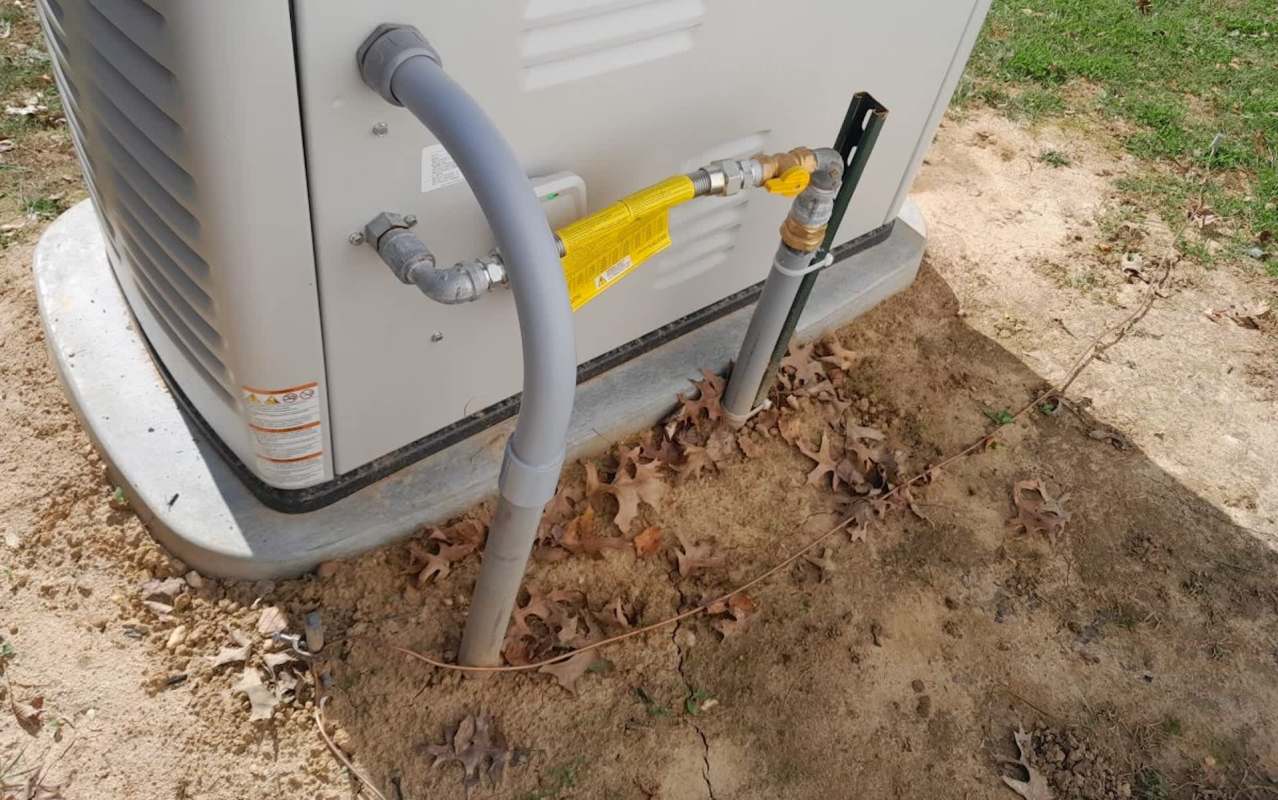
A Pennsylvania family's new generator raised an unexpected concern after installation: grounding wires stretched a few inches above the dirt, potentially creating a tripping hazard.
Before the family added landscaping around the equipment, a relative questioned whether the exposed wires could also be vulnerable to damage.
Here's what to know
In a Reddit post, the OP described their parents' new 18-kilowatt generator, model G0073240, noting that the installers used grounding rods as part of the work to replace an older unit.
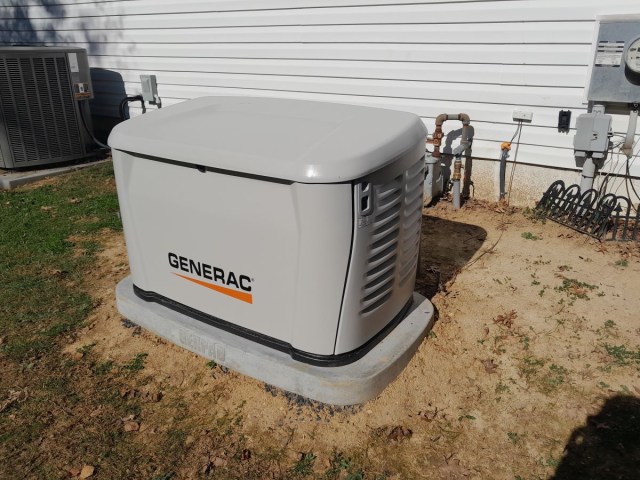
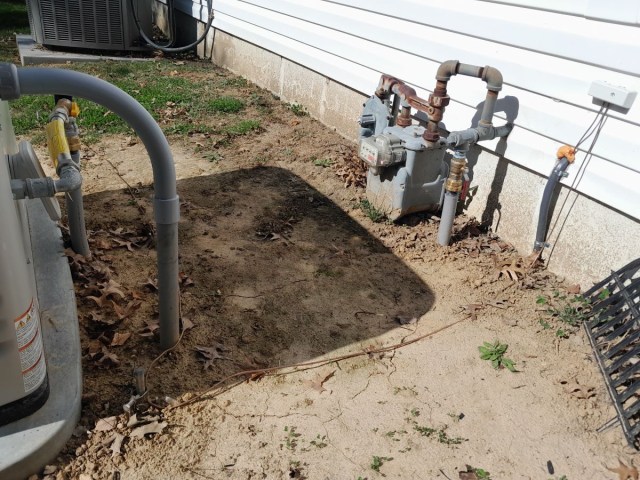
The OP estimated the generator sat roughly six to eight feet from the house, though they emphasized they hadn't measured the distance. Between two metal rods, a connecting wire remained above ground.
The OP was concerned that landscaping would resolve the exposed-wiring issue. The family was considering hiring someone to spread pea gravel or crushed rock after receiving instructions to put sod or mulch beside the generator.
"Someone's going to trip on this or a contractor is going to damage something if they don't see it. It seems like the weather's going to impact the wires, too," the OP said.
TCD Picks » Quince Spotlight
💡These best-sellers from Quince deliver affordable, sustainable luxury for all




More background
None of the wires connected directly to the generator, the OP confirmed in a follow-up response. The photographs they added included an explanation of the wiring's route: It linked the two rods and ran from the rod nearest the generator to a house-mounted box.
One user thought the arrangement served the home's grounding system—not the generator's.
The OP also clarified that the Pennsylvania property was connected to PECO and was not operating off-grid.
Users disagreed about when rods are required near generators and what this installation needed. Their responses were not verified inspection findings, and the discussion did not establish whether the setup complied with local requirements.
What can be done?
Unsure what to request from the installation company, the OP sought clarification rather than assuming the rods should be removed. They wanted to ask the company about burying or covering the exposed wires.
"The ground wires do not need to be above ground and should not be a tripping hazard," one user said.
In another user's area, rods and wires stayed exposed until inspection approval. The user offered that local practice as a possible explanation for why the components remained visible.
That local practice, however, did not establish what had happened at the Pennsylvania property. The installer would still need to clarify whether the inspection was complete and what work remained before the family landscaped around the generator.
The OP said: "I'd like to tell the company they need to fix these wires (bury them? cover them up somehow?), but don't want to be asking for something stupid."
Where can I learn more?
Other homeowners and electricians have also run into questions about generator wiring and installation. These stories involve questionable installations, a transfer-switch dispute, neutral wiring, and locating a home's main breaker.
• An electrician adding a garage subpanel discovered generator installation problems that prompted an inspector's involvement.
• An electrician planning a detached-garage panel addition encountered a suspected unpermitted generator installation.
• A homeowner paid $2,000 for an automatic transfer switch but received a manual switch instead.
• A homeowner planning a generator inlet learned the main breaker might be outside.

Get TCD's free newsletters for easy tips, smart advice, and a chance to earn $5,000 toward home upgrades. To see more stories like this one, change your Google preferences here.






