


When Justin Laudadio found Chicken, the family's 12-year-old brown tabby, writhing on the floor of the family's home in Feasterville, Bucks County, in 2024, the cat appeared to be having a seizure, Penn Capital-Star reported.
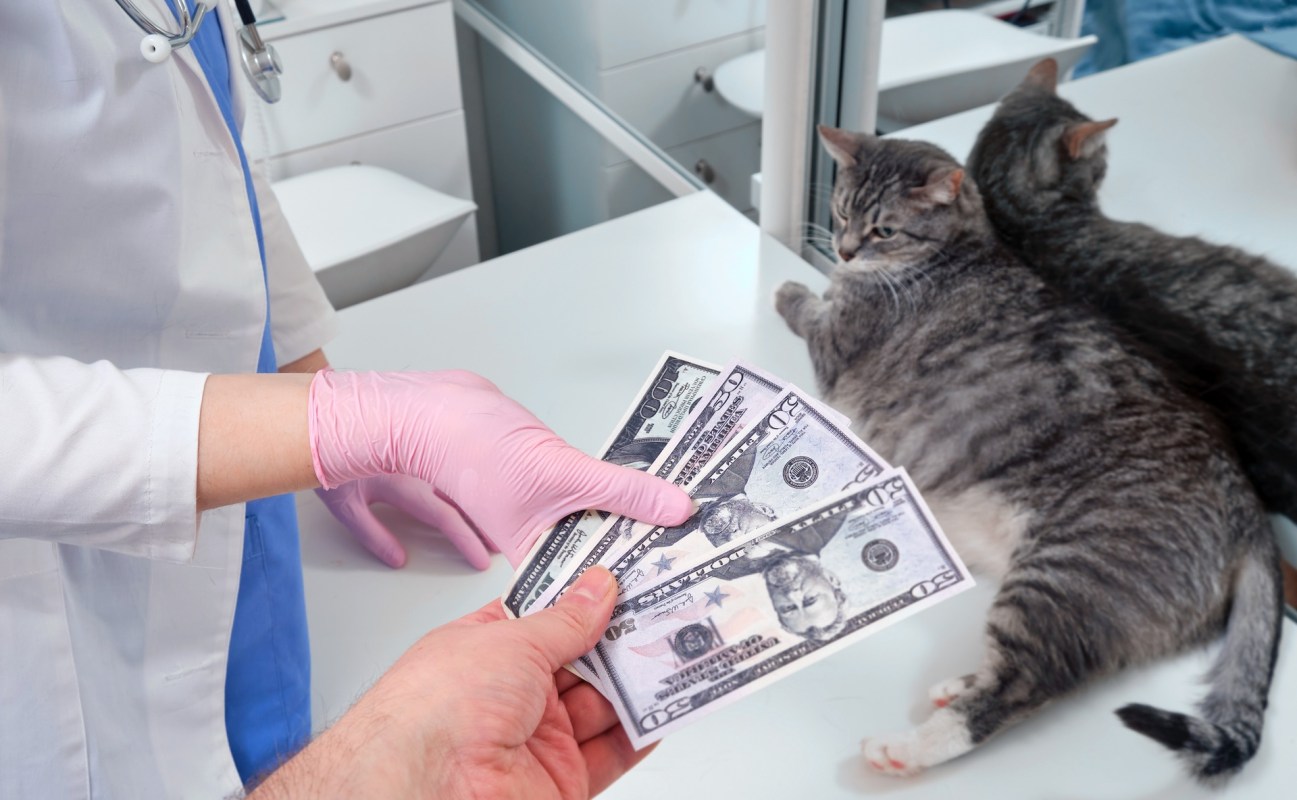
Before they even knew whether Chicken would survive, Justin and his wife, Airy Laudadio, approved a $9,500 emergency bill — a stark example of how expensive veterinary care in the U.S. has become.
Here's what to know
Veterinarians stabilized Chicken during a three-day hospital stay and diagnosed him with acromegaly, a hormone disorder linked to a noncancerous pituitary tumor.
Although veterinarians never fully determined the seizure's cause, additional testing added thousands of dollars to the original emergency bill.
Bureau of Labor Statistics data show veterinary prices have risen roughly 67% since 2017, compared with about 38% for consumer prices overall during that period.
Jennifer Quammen, president of the American Veterinary Medical Association, said pet owners have access to MRI and ultrasound technology that "at one point [were] found in human hospitals only." She added, "That equipment certainly comes with a cost."
TCD Picks » Quince Spotlight
💡These best-sellers from Quince deliver affordable, sustainable luxury for all




Quammen said the industry is seeing pet owners delay basic appointments.
She said, "We are seeing people delay routine care, preventive care."
More background
The price increases are happening as veterinary care becomes increasingly corporate.
Citing Brakke Consulting, Penn Capital-Star reported that corporate ownership grew from 11% of the sector in 2017 to about 30% in 2024, while corporate groups or private equity firms owned roughly 75% to 80% of specialty and emergency clinics in 2024.
Chicken was treated at two BluePearl hospitals owned by Mars Veterinary Health, and National Veterinary Associates, which is owned by JAB Holding Co., operates more than 1,000 veterinary hospitals across the United States and Canada. Many still use their original local names, making ownership less obvious to pet owners.
Emergency and specialty hospitals are often where the biggest bills come in. A U.K. Competition and Markets Authority investigation found that five large veterinary groups charged roughly 18% more on average than independent practices, though it is not yet clear whether that pattern applies consistently in the U.S.
Lauren Powell, who teaches animal welfare and behavior at the University of Pennsylvania's School of Veterinary Medicine, said low-income people often have particularly strong bonds with their pets and may stretch or exceed their finances to get them care.
What's being done?
Some regulators and nonprofits are trying to ease the burden.
During the Biden administration, the Federal Trade Commission required JAB to sell off several specialty clinics to complete its acquisitions of two veterinary groups, saying the move would prevent the firm from "gobbling up competitors in regional markets that are already concentrated."
Meanwhile, low-cost providers are seeing growing demand. Donald Consla, a veterinarian at Animal Friends in Pittsburgh, said more pet owners are turning to the shelter's clinic for affordable vaccinations and wellness exams.
Philadelphia Animal Welfare Society, or PAWS, offers discounted care, free pet food, and temporary foster placements for animals whose owners are facing homelessness or other hardship. Cory Topel, PAWS' communications and grants manager, said many Philadelphians "are living paycheck to paycheck, and the [choice] between feeding themselves and their pets is a reality."
Bethlehem nonprofit For the Love of Alex helped cover more than $7,000 for a Pennsylvania dog named Daisy, whose injuries left her needing an amputation that CareCredit financing did not approve.
Chicken is "thriving," his owners said, with specialized food and daily medication, but Airy Laudadio said the experience left her wondering whether cats with acromegaly die young "because of the disease or because the [cost of the] treatment is so prohibitive for so many people."
Where can I learn more?
Chicken's story is one of many pet emergencies that leave owners facing difficult care decisions. The articles here include a costly California dog-training tragedy, a kitten saved by an unusual transfusion, and several rescue recoveries.
• In California, a family paid $10,000 for dog training that turned deadly after learning other pets had died there, too.
• At Flatbush Cats in New York, vets used a transfusion from a dog to save kitten Wind Chill.
• After rescue, a kitten once described as all fluff and ribs recovered and finally found the right home.
• After being pulled from euthanasia, Cheese Doodle wouldn't eat at first but is now headed home.

Get TCD's free newsletters for easy tips, smart advice, and a chance to earn $5,000 toward home upgrades. To see more stories like this one, change your Google preferences here.
Cool Picks






