


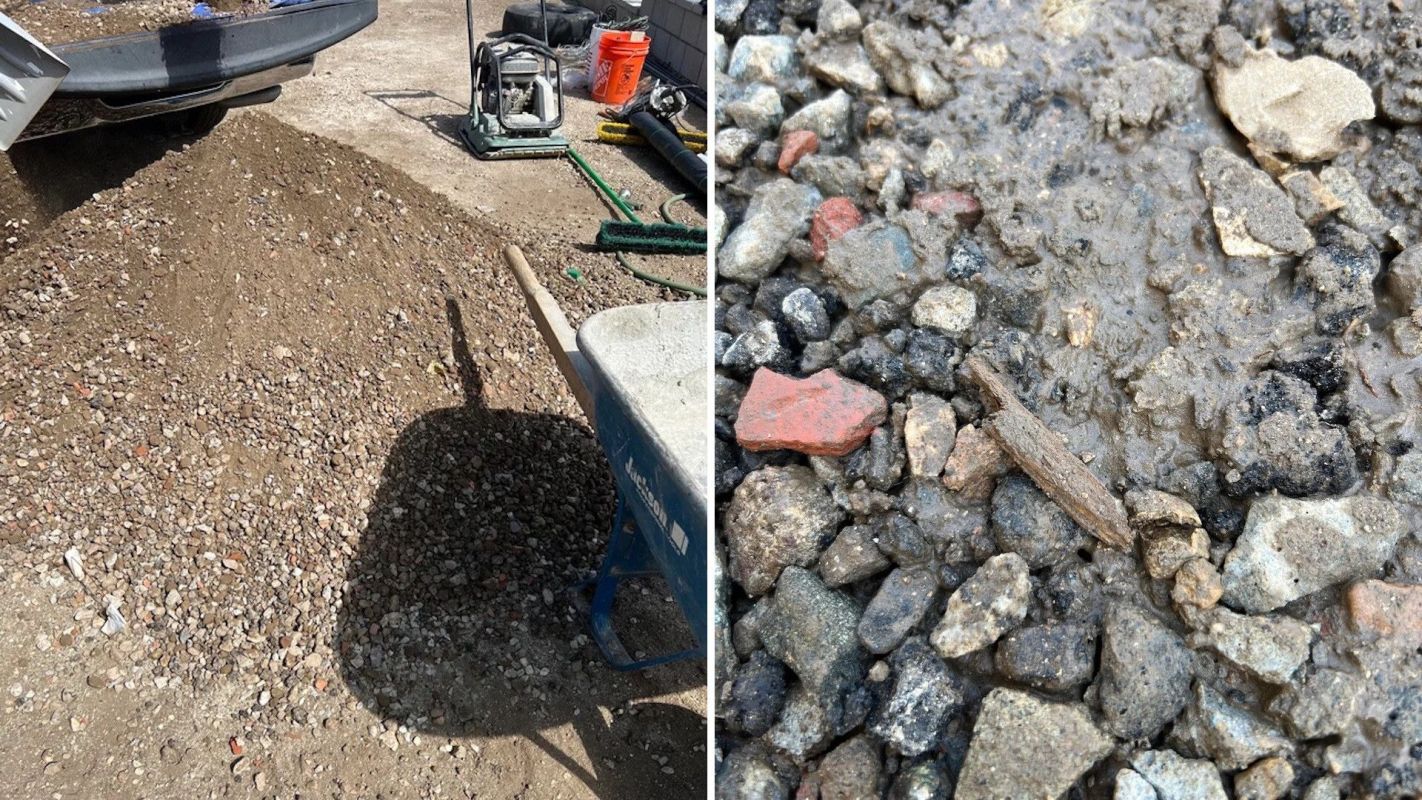
A homeowner watching a paver installation unfold got an unpleasant surprise when the base layer looked less like clean stone and more like a pile of mixed rubble.
The internet's response was more nuanced: The material itself may be perfectly usable, but that does not necessarily mean the customer got what they paid for.
Here's what to know
The concern surfaced in a post on r/landscaping, where the homeowner said a layer of geotextile fabric had already been installed before the crew spread a base containing what looked like "dirt, gravel, broken concrete/brick, asphalt-looking pieces, and even some wood/debris." They said they expected "clean crushed aggregate/Class 2 base."
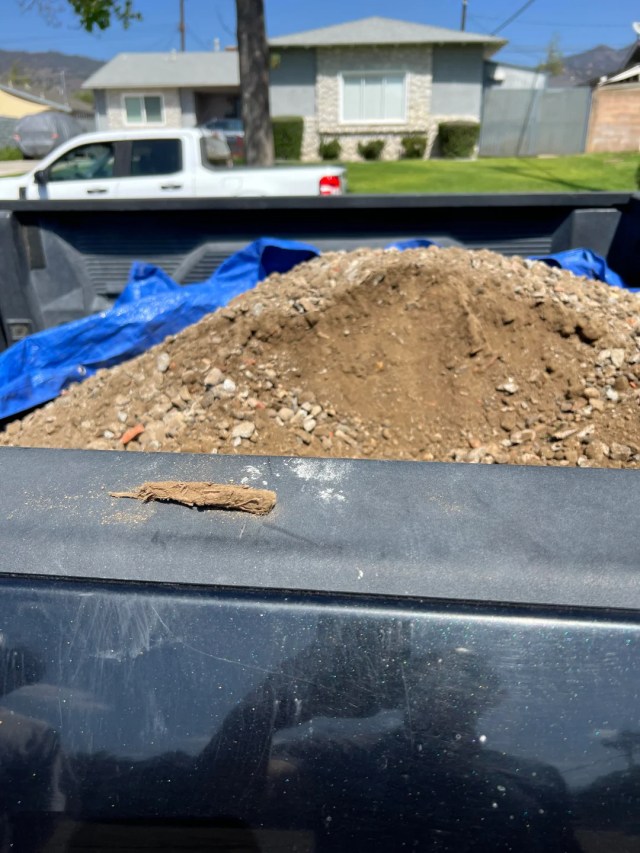
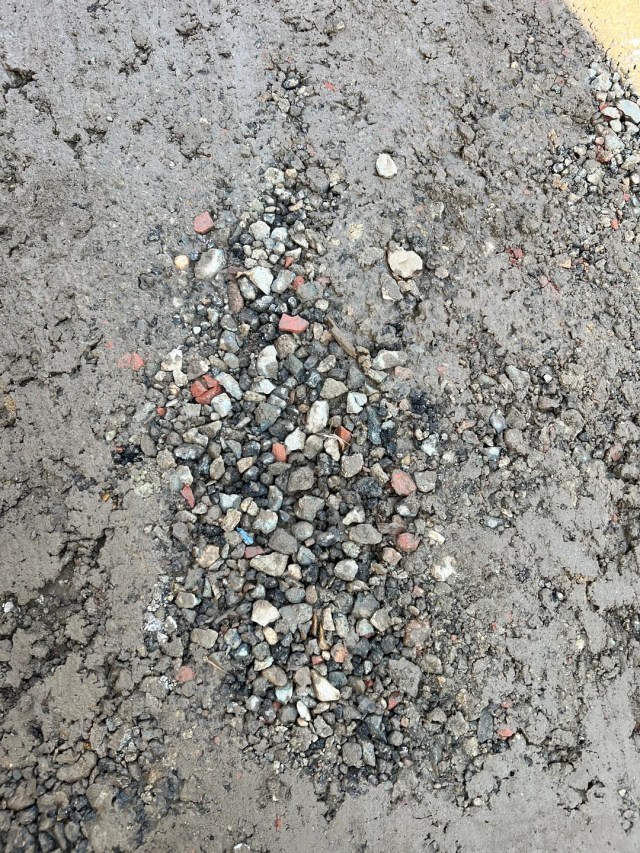
In the discussion, commenters frequently identified the photos as recycled aggregate rather than random fill. Commenters said that kind of base often consists of crushed concrete, brick, and other demolished material.
One Reddit user wrote: "This is recycled building material. I used it to do my own 1500sqft paver patio. It was significantly cheaper, and it compacted really well."
That distinction is central to the debate. Recycled base is often cheaper than virgin quarry aggregate and can still compact into a solid foundation, so its presence alone does not mean the install is defective. But if the quoted price was for Class 2 road base and the delivered product was recycled material, the bigger issue becomes whether the substitution was disclosed.
TCD Picks » Quince Spotlight
💡These best-sellers from Quince deliver affordable, sustainable luxury for all




Several commenters added that while the rubble-like appearance was not automatically a red flag, visible wood and other organic debris would be more concerning.
More background
Even acceptable material can raise concerns if it appears poorly sorted or contaminated.
One commenter said: "The installation isn't great though - its segregated into fine and coarse portions which isn't what you want. I'd do whatever I can to get them to mix the rocky portions in better so that you don't have voids."
"Soil is a no," another user noted.
And because recycled base is often sold at a discount, an undisclosed switch could leave a homeowner paying for a premium product while receiving a lower-cost alternative. The homeowner here may have been OK with the cheaper alternative if charged less to take it on, in other words, following research about it to learn it should be safe underneath pavers.
What can be done?
One practical step before the pavers go down is to ask the contractor for the material specification and the delivery ticket. Those records can show whether the base is recycled aggregate, Class 2 road base, or something else.
It also helps to get the contract language in writing ahead of time. A 25-year warranty may sound reassuring, but commenters were skeptical that it would necessarily protect the homeowner years later if the company closes.
If the contractor intended to use recycled base, that does not automatically mean the job is flawed. It could represent real savings, but those savings should benefit the customer too, rather than being hidden behind a higher-priced invoice.
Where can I learn more?
Questions about what's buried under a yard or driveway come up often in landscaping disputes. These articles cover homeowners uncovering fabric, bags, and other buried yard material.
• One homeowner found horrible landscaping material buried in the yard and dug it out.
• In one backyard, a costly landscaping blunder left soil struggling beneath a weed barrier.
• Another homeowner discovered harmful black bags spread across the lawn with no clear purpose.

Get TCD's free newsletters for easy tips, smart advice, and a chance to earn $5,000 toward home upgrades. To see more stories like this one, change your Google preferences here.






