


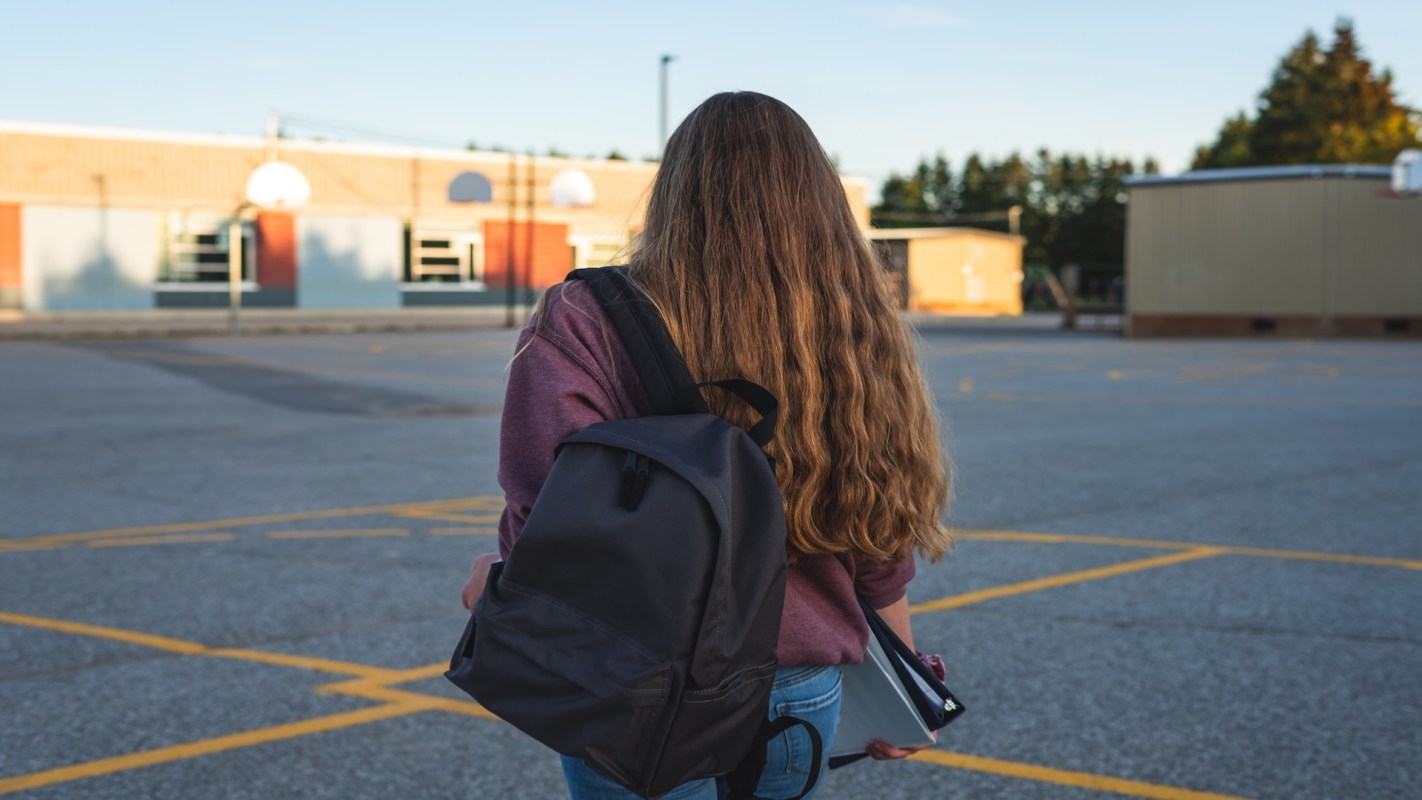
A parent on Reddit raised a preparedness concern that goes beyond flashlights, bottled water, and pantry supplies.
They asked the site's r/TwoXPreppers community how someone can get to their child if the grid goes down and their phones stop working in the middle of the school day.
Here's what to know
Rather than concentrating on stored supplies, the conversation quickly turned to the challenge of how families reconnect during an emergency.
The original poster said their 16-year-old attends school eight miles from home, and the family's current plan is for her to stay there until a parent can get to her.
"More than making sure we have enough supplies, my biggest worry as a parent is how to get to my kid if the grid/communications go down while she's in school," they said. "What kinds of family plans do you have with your kids?"
One commenter said staying put makes sense as the default response, but only if the family also has alternatives ready.
"I think stay in place by default is a good rule, but there should be an alternate location as a contingency plan in the event that their initial location is unsafe," they wrote.
That advice included picking "one or two backup locations" within walking distance and deciding ahead of time which trusted adults could step in with a ride if needed.
Save $10,000 on solar panels without even sharing your phone number Want to go solar but not sure who to trust? EnergySage has your back with free and transparent quotes from fully vetted providers that can help you save as much as $10k on installation. To get started, just answer a few questions about your home — no phone number required. Within a day or two, EnergySage will email you the best local options for your needs, and their expert advisers can help you compare quotes and pick a winner. |

A separate commenter focused on low-tech communication, suggesting the teen have a way to show when plans changed if networks were down. For example, by leaving a note in her car saying she was "walking with Friend A to her house nearby like we talked about."
Others said that a teen this age may be able to make judgment calls in a crisis, but only after a family has already discussed how to weigh risks, when it is appropriate to break from the main plan, and how to reconnect afterward.
What can be done?
Food and gear cover only part of preparedness. Families also need to know where to regroup, who can help, and what to do if the original plan stops being the safest one.
Possible next steps are to settle on a main reunification spot, choose one or two fallback locations, and identify the safe adults a child is allowed to turn to for help. It may also be useful to agree on a non-digital way for a child to show where they went if phone service is unavailable and they need to leave.
More From EnergySage
💡Go deep on the latest news and trends shaping the residential solar landscape


Where can I learn more?
Worries about getting back to a child during an outage come up in plenty of other emergencies too, from flooded school routes to storm damage that cuts off access.
• After repeated outages, one parent weighed which generator could power fridges, ACs, and winter heaters.
• In Mill Valley, parents warned that school access and student safety were threatened by flooding.

Get TCD's free newsletters for easy tips, smart advice, and a chance to earn $5,000 toward home upgrades. To see more stories like this one, change your Google preferences here.






