


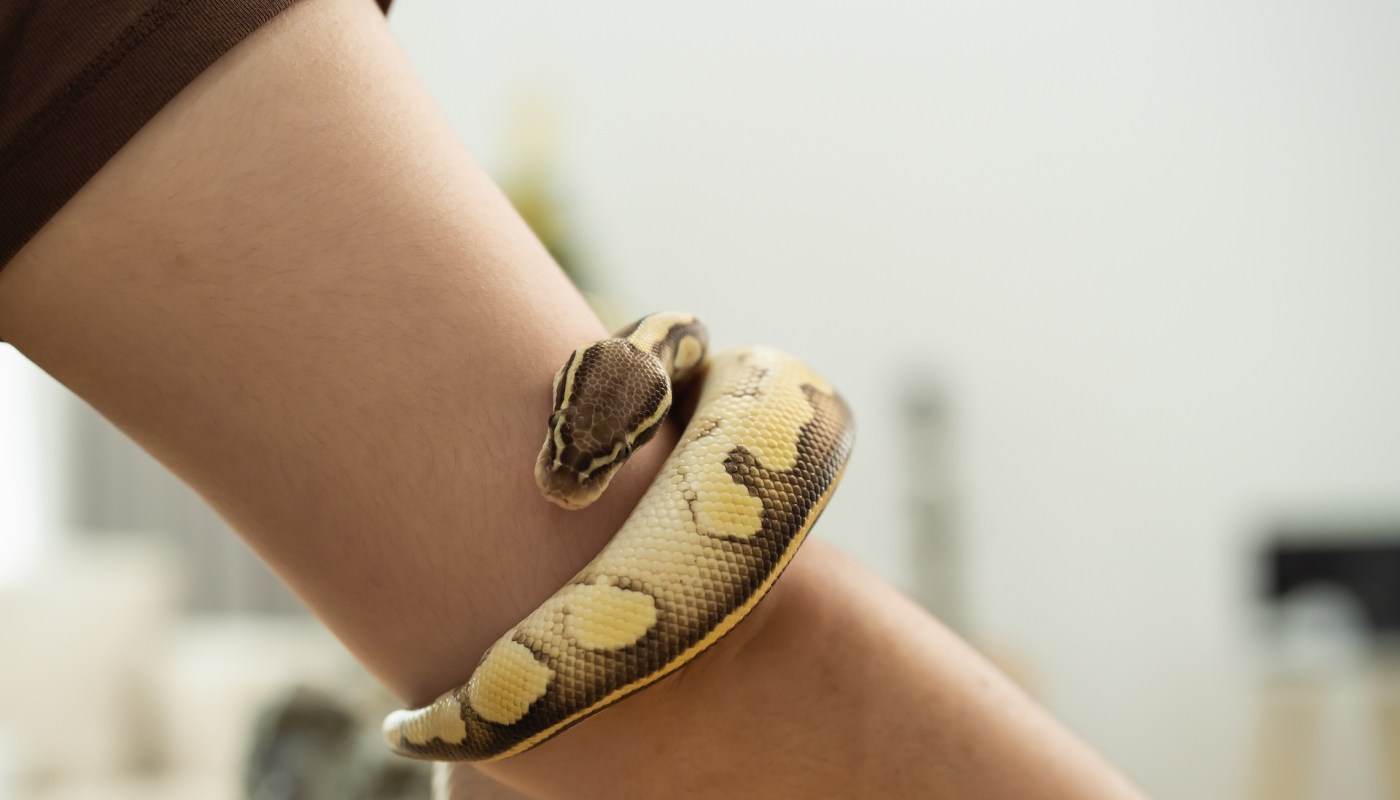
For nearly two hours, a man in India lay motionless in fear after a snake wound itself around his hand inside his room, the Deccan Chronicle reported.
The episode unfolded in Odisha's Boudh district, and because the man was paralyzed, getting away was not an option.
What happened?
According to the Deccan Chronicle, the middle-aged man was alone at his home in a remote village when a snake entered through a gap. Before he had any chance to respond, the reptile moved up from a chair beside his bed and curled itself around one of his hands.
He was unable either to pull his hand free or to leave the room, so he stayed as still as he could. The snake reportedly hissed from time to time, and the man feared that even slight movement might trigger a bite.
Family members and neighbors were too frightened to step in. Local snake rescuers were eventually called, and they removed the animal without harming either the man or the snake.
Villagers described the incident as a nightmare and said they had never seen a snake appear to trap a person inside his own home.
TCD Picks » Quince Spotlight
💡These best-sellers from Quince deliver affordable, sustainable luxury for all




Why does it matter?
Although the man was not physically injured in this case, the incident shows how quickly a wildlife encounter can turn life-threatening when someone is elderly, disabled, or otherwise unable to move. In this case, paralysis turned a frightening surprise into a prolonged emergency.
The incident also reflects a pattern seen in many parts of rural India, where snakes often enter homes during the hot summer and monsoon seasons in search of cooler shelter.
These encounters can be shaped in part by human activity, including the way homes are built, small gaps that allow animals inside, and the growing overlap between settlements and wildlife habitat. BBC Future has explored how increasing contact between people and wild animals can raise the risk of conflict.
The consequences can be serious, ranging from panic and possible injury to delayed medical help and trauma that can linger long after the animal is gone.
What's being done?
Trained local snake rescuers were able to safely separate the man from the reptile.
Wildlife rescue networks and public education can play important roles in reducing harm during such encounters by ensuring trained professionals are the ones rescuing the animal.
There are also practical steps households can take to lower the risk, including sealing wall openings and door gaps, clearing clutter where snakes may hide, improving lighting around entrances, and using extra caution during hotter and wetter months when reptiles are more likely to seek shelter indoors.
For families caring for relatives with limited mobility, emergency planning can also be crucial. During a crisis, quick communication, easy access to neighbors, and contact information for local rescue teams can make a major difference.
"Fortunately, the paralysed man escaped unharmed, but the terrifying memory of those two hours is likely to haunt him — and our entire village — for a long time," Kambhu Dhar Kheti, a local journalist, said.
He added that the incident reflects "the increasing human-snake encounters reported from rural Odisha during the summer and monsoon months, when reptiles often enter homes in search of shelter and cooler surroundings."

Get TCD's free newsletters for easy tips, smart advice, and a chance to earn $5,000 toward home upgrades. To see more stories like this one, change your Google preferences here.






