


One Pacific Northwest homeowner learned the hard way that DIYing a water heater replacement might not be as easy as expected.
After a leak forced them to replace a 34-year-old tank, the homeowner ran into several issues, prompting them to seek advice on Reddit's r/AskAPlumber forum.
Here's what to know
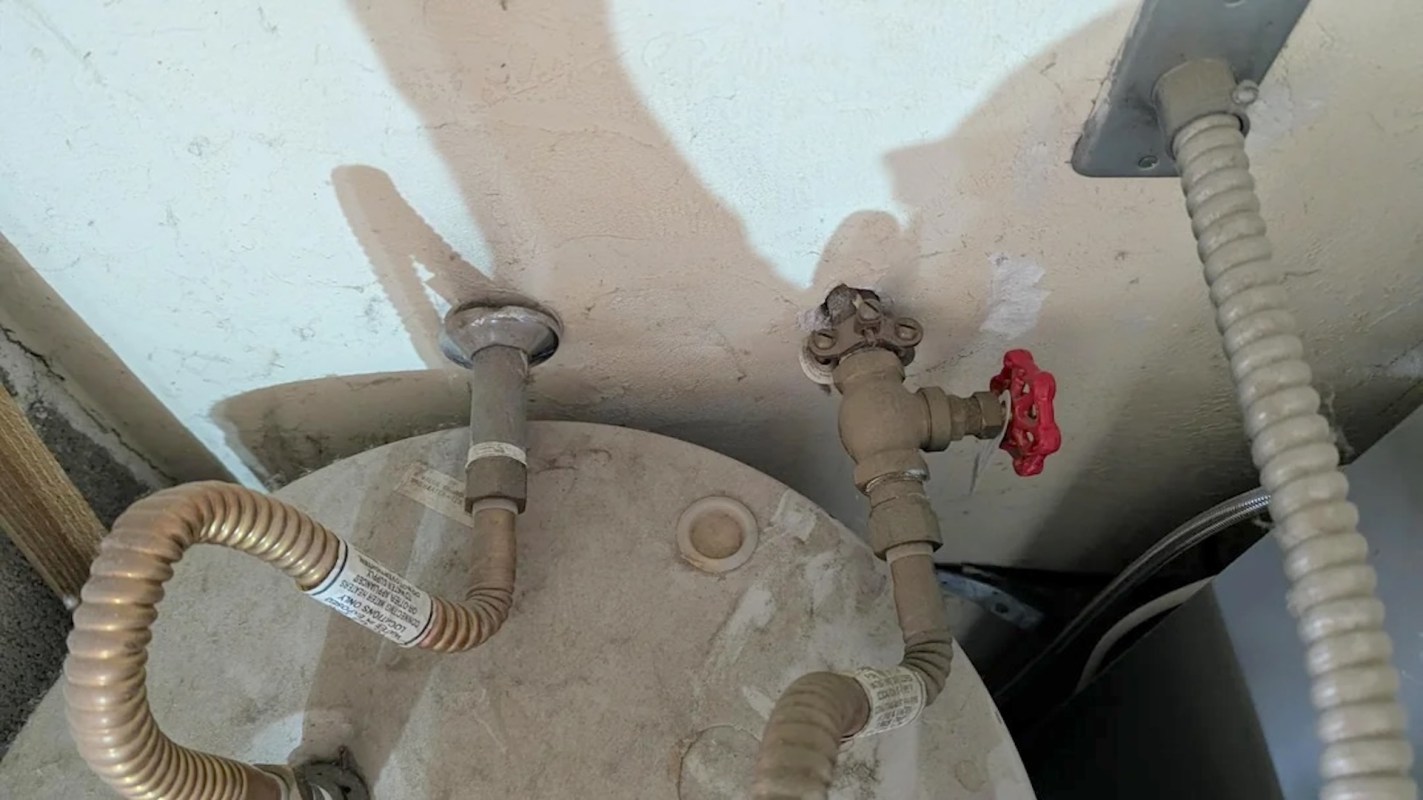
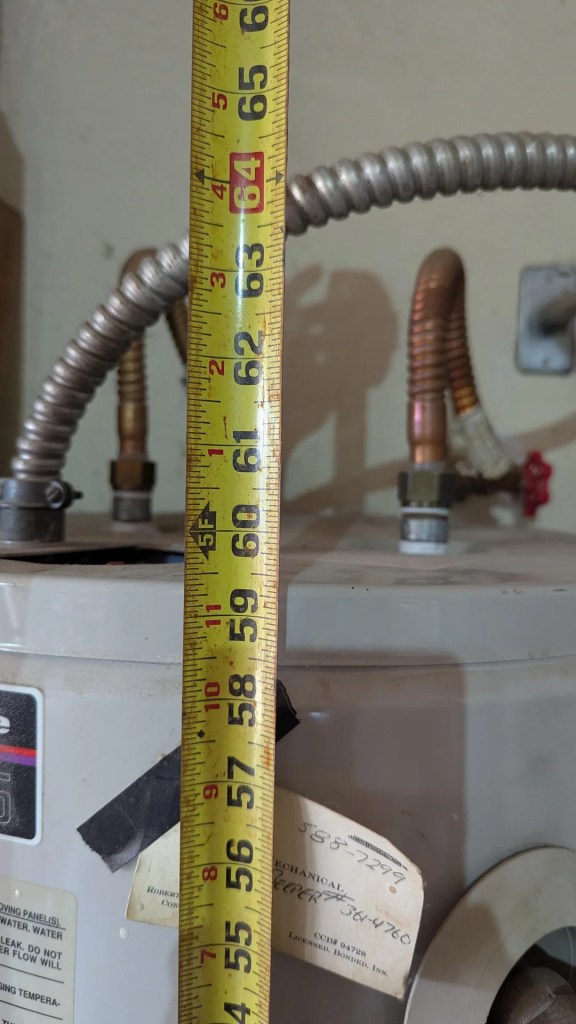
In the Reddit thread, the homeowner explained that their old heater was 59.5 inches tall and the replacement was 63 inches, while the supply tubes come out of the wall only a little higher than the current tank.
The original poster added, "Problem is that the actual point where the tubes come out of the wall is just barely above the existing tank, and the new one would have to be shifted out from the wall about 7 inches to clear them, or the whole thing would have to be redone."
OP then wrote, "Plumbing definitely isn't my thing, but I figured I could handle swapping out a hot water tank, I just wasn't anticipating this. So my question is, would there be an issue just shifting the tank a bit… or should the plumbing be redone?"
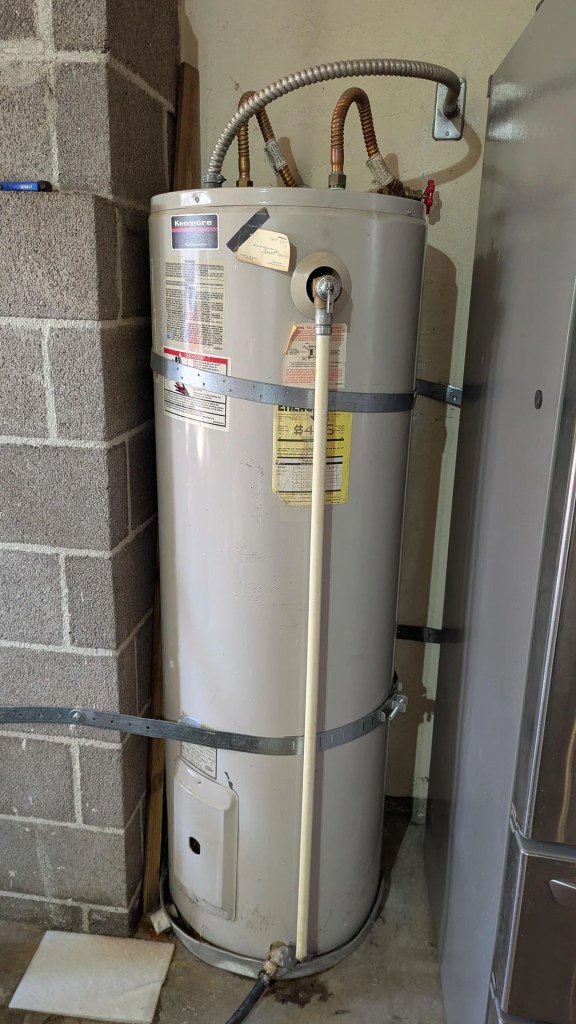
Commenters largely advised the homeowner not to let the tank rest against the plumbing. One user wrote, "And some blocking on that wall. You could also pull the nipples and replace for shorter ones (especially on the hot side). Still need some blocking."
Another commenter suggested a more direct hardware fix, writing, "3/4 brass street 90's." A separate reply said the simplest option might be to "Get a short water heater."
Commenters also noted that local code expectations can shape an installation. Several replies discussed earthquake strapping in the Pacific Northwest and Oregon, while another commenter contrasted that with experience in Virginia, where flex lines were seen differently.
Crushed by your bills? See instant solar savings from vetted installers in just a few clicks With energy prices through the roof, there's never been a better time to go solar — and EasyHome can help you find the best prices from the best installers in your area. EasyHome takes the guesswork and headaches out of energy upgrades by showing you estimated savings from a network of vetted local partners. To get started, just enter your ZIP and share a few details about your home — seeing your estimate is really that easy. |

The thread also included smaller, efficiency-minded observations. One commenter noted that the setup already had "a heat trap on the cold supply line as a bonus" and recommended adding pipe insulation on the hot line.
What can be done?
Before buying or scheduling a replacement, check the new unit's height against existing pipe exits, strapping, and wall spacing, not just the tank's capacity.
The clearest fixes raised in the thread were physical, including using brass 90-degree fittings, shortening the nipples on the hot or cold side, and adding blocking so the wall supports the strapped tank rather than the plumbing behind it.
If those changes still do not resolve the clearance problem, upgrading the water heater was also mentioned as an option.
For homeowners replacing an aging tank altogether, Cala offers another route to consider while comparing dimensions and connection points. Cala's customizable smart heat pump water heaters can help homeowners lower energy bills by heating water only when needed. Cala may be especially appealing to buyers who want a smarter replacement instead of a like-for-like tank swap.
Where can I learn more?
Water heater replacements often turn up the same fit, venting, and plumbing headaches that surfaced in this Reddit thread.
• One DIY swap stalled when thicker new tanks forced unexpected demolition behind the heater.
• Another homeowner learned tearing out walls might be unavoidable when old plumbing left no room.
• In North Carolina, a leaking attic water heater replacement raised fresh concerns about venting.

Get TCD's free newsletters for easy tips, smart advice, and a chance to earn $5,000 toward home upgrades. To see more stories like this one, change your Google preferences here.






