


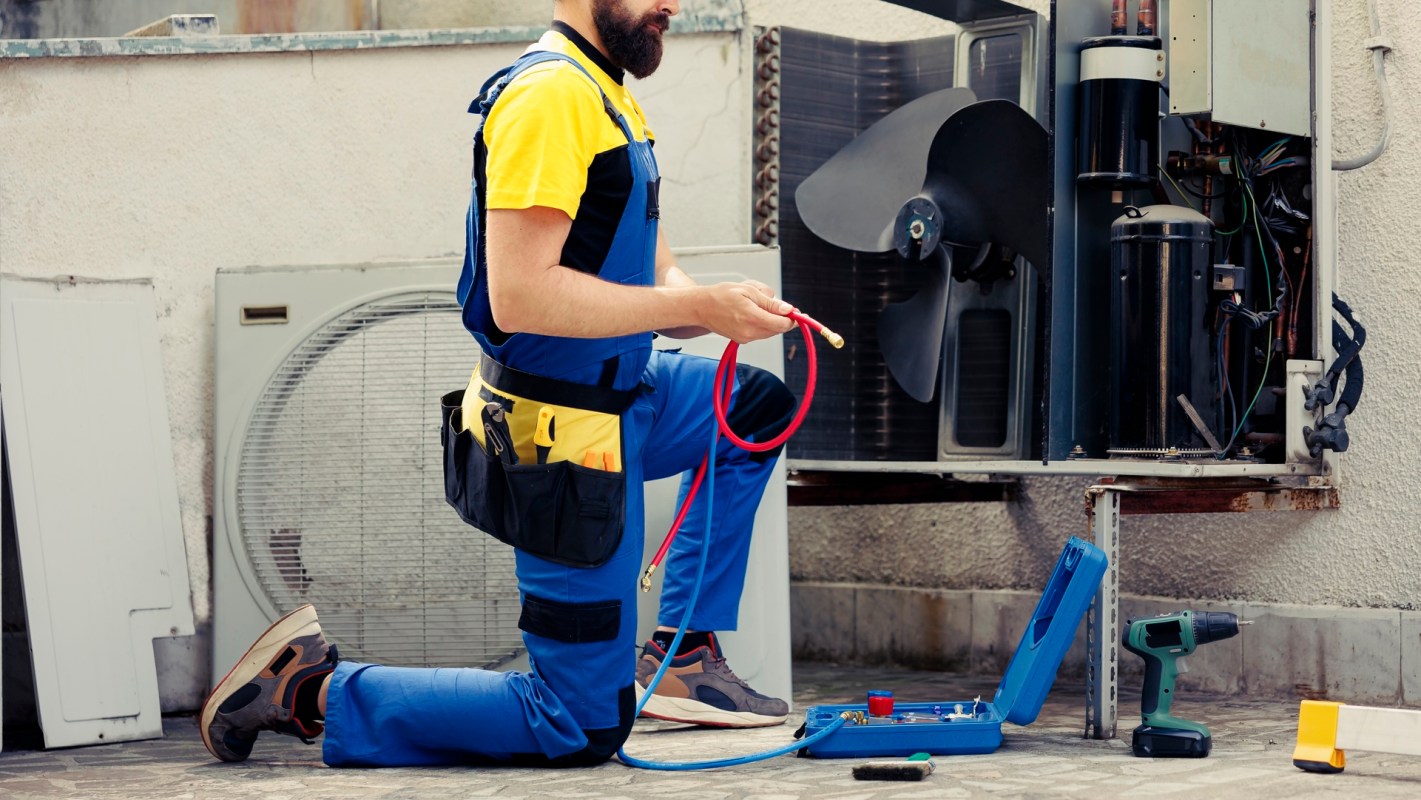
A Pacific Northwest homeowner got an expensive reminder of how poor installation work can shorten a heating system's life.
The immediate issue was a heat pump compressor that died after only four-and-a-half years. The larger decision was whether to leave a still-working gas furnace in place or spend an additional $5,500 to replace that unit at the same time.
That turned what could have been a straightforward repair into a familiar dilemma for many homeowners: Fix only what is broken, or spend more now in hopes of avoiding another major replacement later?
Here's what to know
On Reddit, the homeowner said the quotes they received would both correct the ductwork problems. The pricier option, which also replaced the working 12-year-old furnace along with the heat pump, came in $5,500 higher.
The original poster wrote, "Our 2 ton heat pump compressor just died after only 4.5 years because the previous owner's installer did a total hack job on the airflow (kinked return duct, no transition box)."
The general view in the comments was that a furnace's condition and maintenance history matter more than its age.
One commenter said, "If it were me I'd keep the gas furnace. If it's maintained and used only as backup you might get another decade out of the thing."
For homeowners weighing similar choices, Palmetto can help make sense of the tradeoffs and slash energy bills with new, efficient HVACs and heat pumps. Its Comfort Plan network can connect homeowners with vetted installers and efficient heating and cooling solutions for their homes.
Save $10,000 on solar panels without even sharing your phone number Want to go solar but not sure who to trust? EnergySage has your back with free and transparent quotes from fully vetted providers in your area. To get started, just answer a few questions about your home — no phone number required. Within a day or two, EnergySage will email you the best options for your needs, and their expert advisers can help you compare quotes and pick a winner. Solar panels can save you more than $50k over their 25-year lifespan, and EnergySage can help you save as much as $10k on installation. Which begs the question — isn't that worth an email or two? |

More background
What stands out here is not just the failed compressor's age, but the homeowner's explanation that airflow problems from a "total hack job" caused the breakdown. It's a reminder that poor installation can cut short the life of even relatively new equipment and trigger expensive repairs much earlier than expected.
Heat pumps are often far more efficient than older systems, though whether they make financial sense depends on electricity rates, gas prices, climate, and whether backup heat is truly needed.
Some commenters questioned whether dual fuel made sense at all in that region.
One argued, "If you're in the PNW, you absolutely do not need a dual fuel system. Heat pump all the way."
Another commenter noted that some rebates may be more favorable if a homeowner fully removes gas service and switches to a heat-pump-only setup.
What can be done?
Before deciding, homeowners may want to get a few bids and ask for a thorough look at the furnace's heat exchanger and blower. If those parts check out and the system remains in good shape, holding onto the existing unit for a few more years could be the less expensive path.
Once you know which direction you want to go, it may also make sense to ask about negotiating the price difference.
"Worth asking if they'd split the difference, worst they say is no," one commenter wrote.
Palmetto can help here, too. If you're not ready to spend up front, the Comfort Plan includes $0-down options that can lower your heating and cooling costs by up to 50%, plus 12 years of free maintenance.
Homeowners can also pair solar panels with electric appliances, like efficient HVACs, to drive utility costs even lower. EnergySage makes it easy to find the best solar system and installer for your home and budget, saving you up to $10,000 on installations.
Where can I learn more?
These articles address the same issues raised here: how a routine HVAC repair can turn into a replacement debate, and how quickly costs can spiral after a breakdown. They also show why installer quality, warranty terms, and local fuel prices can shape whether keeping older backup heat still makes sense.
• A Mitsubishi owner discovered the warranty fix costs more than replacing a three-year-old unit.
• In Massachusetts, new homeowners faced a $25,000 heat pump quote beside their aging oil system.
• In Texas, an 82-degree house ended in a $9.7K replacement after an AC recharge failed.
• In Colorado, a homeowner saw cooling bills fall from $125 to $18 after switching.

Get TCD's free newsletters for easy tips, smart advice, and a chance to earn $5,000 toward home upgrades. To see more stories like this one, change your Google preferences here.






