


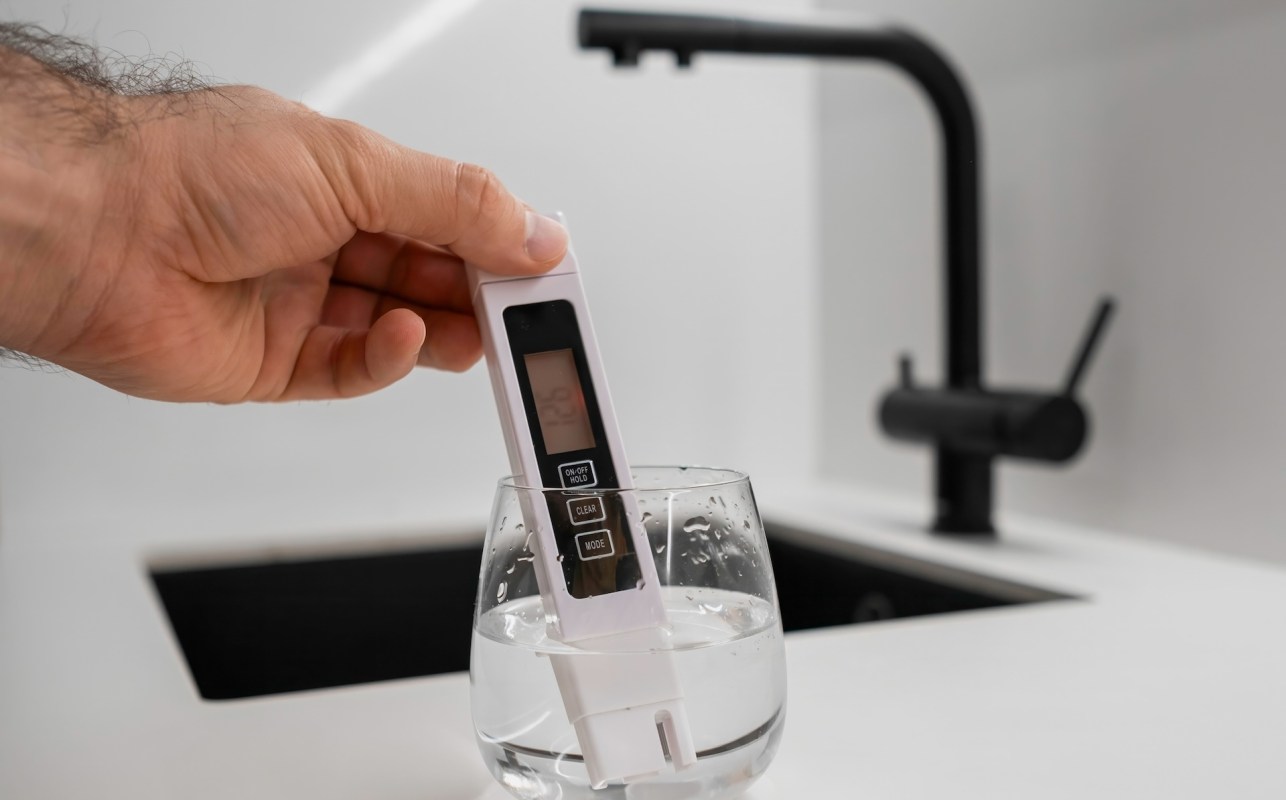
Well water in Douglas County's Nonpareil and Hinkle Creek communities has shown elevated arsenic levels, according to the Grants Pass Tribune, underscoring the importance of sufficiently testing private drinking water supplies.
Harmful contaminants aren't necessarily detectable by looking at or tasting well water.
Here's what to know
State health officials have called on residents of those areas, both of which lie east of Sutherlin, to check their drinking water.
For existing private wells in Oregon, routine testing generally falls to the property owner. Public water systems, by contrast, are regularly monitored.
The Oregon Health Authority recommends checking for total coliform bacteria, E. coli, and nitrate once a year, with arsenic checks every three to five years.
Long-term consumption of arsenic-contaminated drinking water can raise the risk of some cancers and health problems. Arsenic can reach groundwater from naturally occurring deposits.
TCD Picks » Quince Spotlight
💡These best-sellers from Quince deliver affordable, sustainable luxury for all




A home sale report only describes water quality at the time it was sampled. To assess their own supply, households need results from their own well and cannot rely on a neighbor's clean test.
A well's water quality can change between scheduled checks, with damaged equipment, a malfunctioning septic system, or flooding among the possible causes of new contamination.
More background
Diarrhea, stomach cramps, and nausea are among the symptoms of illness caused by organisms in contaminated water.
In testing, E. coli can point more specifically to fecal contamination, while a positive total coliform result can indicate other contaminants entering the water system.
Groundwater nitrate contamination can originate from septic systems, fertilizer use, and livestock waste.
By impairing the blood's ability to carry oxygen, nitrate can cause blue baby syndrome, which is potentially fatal. That makes formula prepared with nitrate-contaminated well water particularly dangerous for babies.
When infants depend on clean water, Oregon recommends considering more frequent testing.
A history of contamination or gastrointestinal illness among household members is one reason to check wells sooner rather than later, the state noted.
Changes in its appearance, taste, or smell are additional signals to test water quality before the next scheduled check.
What can be done?
According to the Oregon Health Authority, typical laboratory fees are $20 to $40 for either bacteria or nitrate testing and $25 to $45 for an arsenic test.
At some events, Oregon State University's Well Water Program offers free nitrate checks, though laboratories handle bacteria and arsenic tests separately.
Residents can call laboratories to ask about testing fees, when to bring samples, and which tests fall under their accreditation. Grants Pass Water Lab can also collect samples.
Laboratories provide bottles and instructions for choosing a tap and collecting a sample, per the Grants Pass Tribune. Oregon recommends prompt delivery, within 24 hours of sampling.
The sale of a property served by a domestic well triggers Oregon's requirement to test for bacteria, nitrate, and arsenic. The outlet explained that sellers must follow state collection requirements and have an accredited laboratory analyze the samples.
Douglas County residents seeking a local testing contact can reach Umpqua Research Company in Myrtle Creek at 626 NE Division Street or call 541-863-5201.
Where can I learn more?
Well owners outside Douglas County face similar questions about testing and treatment. These stories cover scam testing pitches, filter guidance, and PFAS concerns.
• In Jacksonville, residents reported door-to-door arsenic testing pitches, but the local utility warned it was a scam.
• Experts say private wells and PFAS can necessitate filters, despite generally safe tap water.
• In Florida, the Navy urged well owners near bases to test their water for PFAS.

Get TCD's free newsletters for easy tips, smart advice, and a chance to earn $5,000 toward home upgrades. To see more stories like this one, change your Google preferences here.
Cool Picks






