


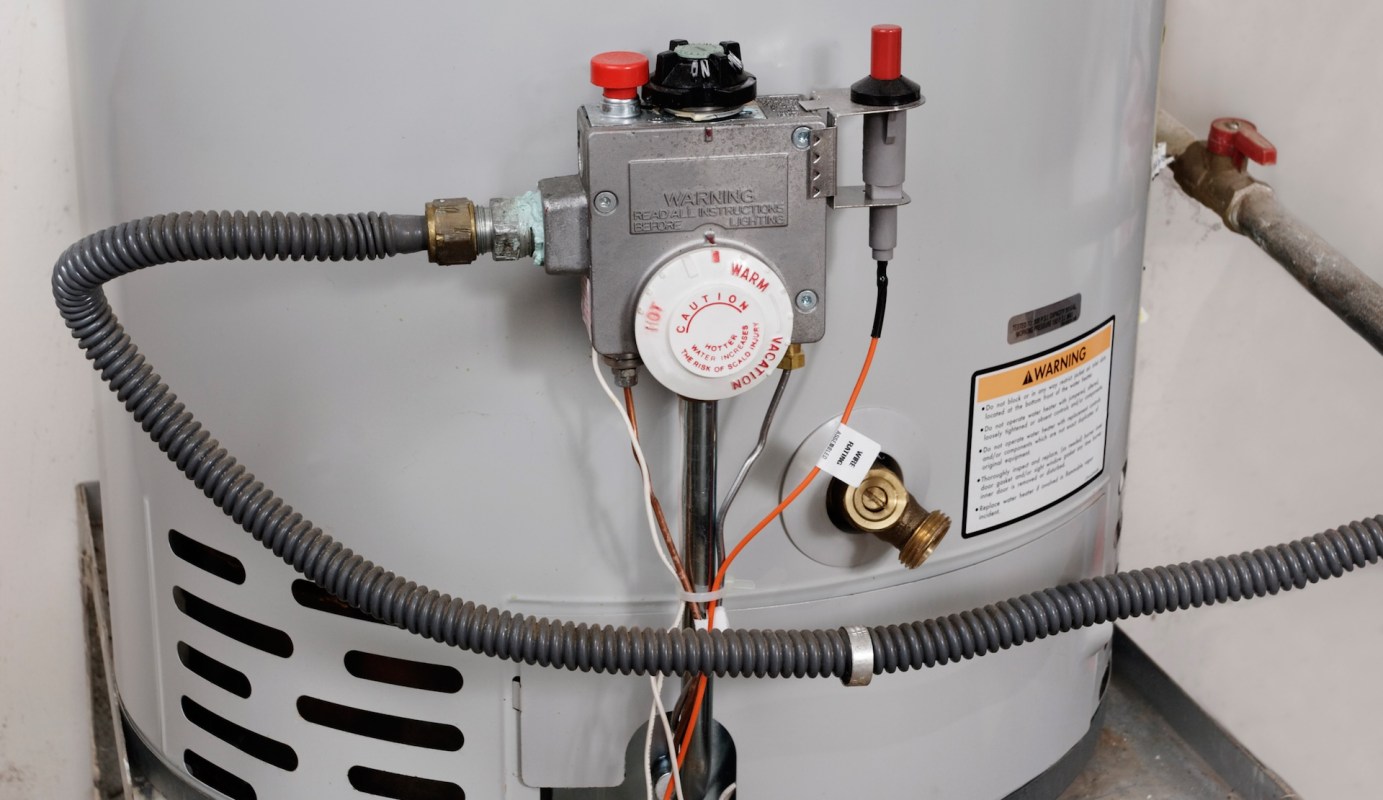
Buying a newly built home is supposed to give buyers a clean slate. For some homebuyers in Ontario, though, that fresh start has reportedly come with an expensive surprise: a long-term water heater rental agreement they say they never intentionally agreed to.
That frustration is spilling online, with buyers describing contracts that allegedly commit them to years of monthly payments before key details are ever disclosed.
Here's what to know
In a post on Reddit, a buyer of a newly built home said their Agreement of Purchase and Sale would force them to assume a rented water heater without key information being provided. They said the rental company was not identified, the contract terms had not been shared, the length of the arrangement was unclear, and no buyout amount had been disclosed.
The buyer said, "How, in 2026, can a buyer be locked into 10-15 years of payments before anyone tells them who they're paying, how much, or how to get out?"
Users said the situation is far from rare in Ontario's new construction market.
One user said, "Yeah, this is standard practice, and it sucks. Builders sign these rental contracts years before your unit sells, so the terms get baked into the APS without real disclosure."
TCD Picks » Quince Spotlight
💡These best-sellers from Quince deliver affordable, sustainable luxury for all




Others shared their own disputes with rental firms, including Reliance, alleging collection calls and difficulty terminating agreements even after the equipment had been removed.
More background
Water heater rentals have long been a source of frustration for Canadian homeowners, as the monthly charge can continue for years and often adds up to far more than the cost of owning the unit outright. In the case of a new build, buyers may be especially exposed if the fee is buried deep in a lengthy sales contract and presented as non-negotiable.
An unexpected utility-related monthly payment can put pressure on a household budget from the moment the buyer takes possession, making it harder to cover moving expenses, repairs, or later home improvements.
It can also delay better financial decisions. When homeowners are locked into paying for equipment they did not knowingly choose, they may have less flexibility to switch to owned systems or prioritize other efficiency upgrades that could save money over time.
One user said, "These water heater companies are all a scam."
What can be done?
Among the suggestions in the thread was to get the underlying rental paperwork before closing rather than discovering the terms afterward. Users said buyers should have their lawyers obtain the full agreement so they can review the monthly charge, any rate increases, cancellation terms, and the buyout schedule.
Some also argued that pushing early can still make a difference. One user advised buyers to "check for a buyout option/cost, and confirm if the rate escalates." They also said some buyers have had success seeking full disclosure or requesting an owned unit instead of a rental arrangement.
Appliance and utility clauses can function as major financial terms rather than minor add-ons. A lower purchase price can look very different once years of mandatory fees are factored in.

Get TCD's free newsletters for easy tips, smart advice, and a chance to earn $5,000 toward home upgrades. To see more stories like this one, change your Google preferences here.







