


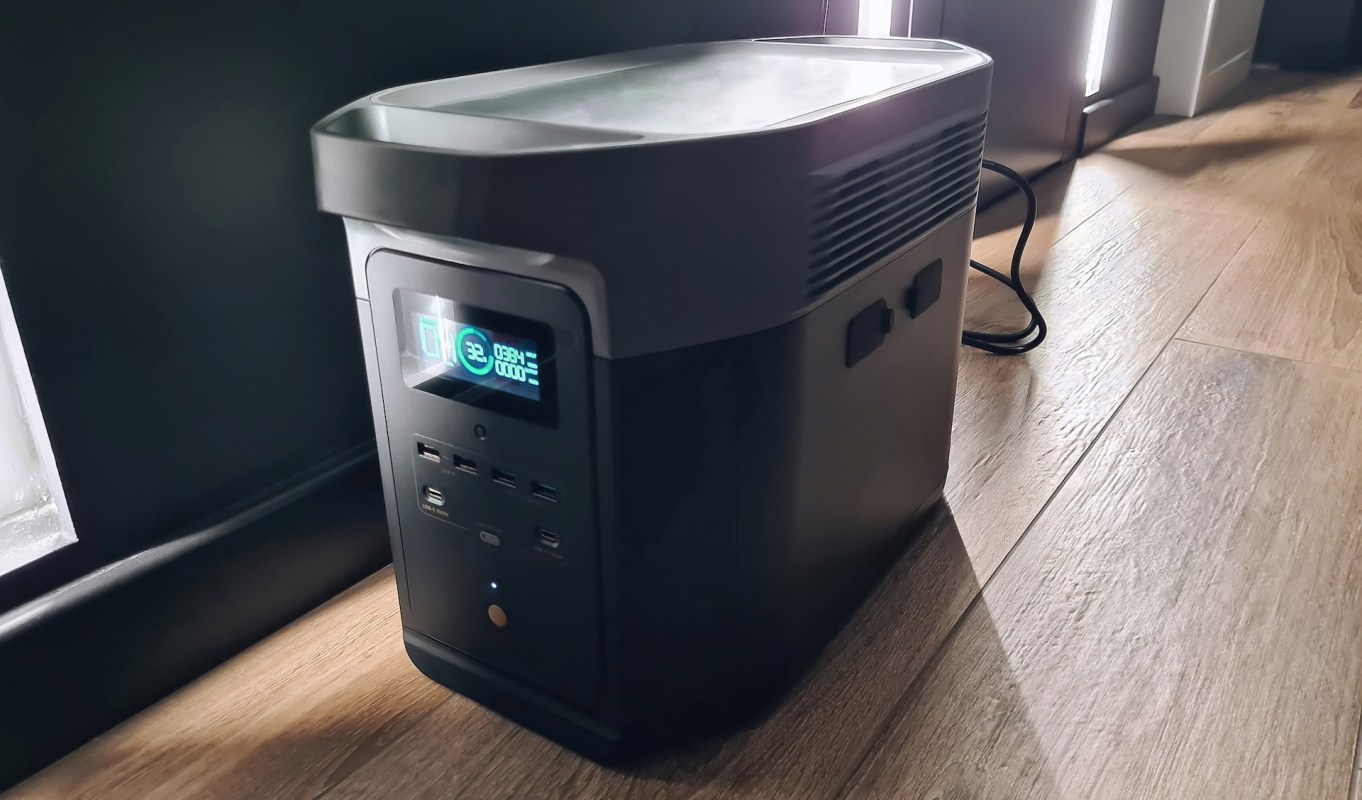
A Rhode Island homeowner trying to keep a refrigerator running with one ground-mounted solar panel ran into an unexpectedly tricky question: not whether the panel could produce enough power, but how an MC4 cable is supposed to enter the house.
Here's what to know
In a Reddit discussion, the original poster described using a portable power station with one solar panel to keep a refrigerator running during outages and lower everyday electricity costs. They asked specifically about running a 3/4-inch flexible metal conduit for the MC4 cable, whether to place the connectors in boxes, and whether a PV disconnect is necessary.
One commenter said portable systems "are not designed to be permanently installed," so they tend to use free-air cable connections instead of the junction boxes and terminals found on fixed solar equipment.
Another user described a setup that changes over from MC4 to thwn2 and then runs through 3/4" EMT across a basement ceiling, but said that would be "expensive and cumbersome" for a power station.
For homeowners considering a more permanent version of this Rhode Island setup, going solar is one of the best ways to save money on home energy. EnergySage can help you get free solar installation estimates and compare quotes to see what works best for you.
More background
In the original poster's words, "The goal is for the battery and solar to feed the fridge, so that if power goes out the fridge can still run."
They also said that, in normal conditions, "the solar panel offsets the cost of running the fridge."
That helps explain why the answer is not straightforward. Even with a ground-mounted panel and a portable battery, the indoor wire run, the MC4-to-XT60 adapter, and Rhode Island code questions can make a "small system" feel much more involved.
Save $10,000 on solar panels without even sharing your phone number Want to go solar but not sure who to trust? EnergySage has your back with free and transparent quotes from fully vetted providers that can help you save as much as $10k on installation. To get started, just answer a few questions about your home — no phone number required. Within a day or two, EnergySage will email you the best local options for your needs, and their expert advisers can help you compare quotes and pick a winner. |

What can be done?
The common consensus in the replies was to avoid treating a portable product like a permanent installation. One commenter wrote, "What you can do is buy a mc4 gland and use that to enter the house somewhat more elegantly."
Another suggestion was to put two glands on opposite sides of the wall if the goal is "zero hardwiring." For a portable unit, that offers a lower-commitment pass-through option instead of fully built-in wiring.
For readers looking beyond a one-panel fridge backup, EnergySage's solar map shows the average cost of a home solar panel system by state, along with state-specific solar panel incentives. Together, these resources can help homeowners get the best price on rooftop solar panels and access available incentives, saving up to $10,000.
Adding battery storage to a solar setup is also one of the best ways to protect your home during outages, save on energy costs, and go off-grid. It can also keep essentials like a fridge running when utility power fails. Homeowners can explore EnergySage for information about home battery storage options, including competitive installation estimates.
More From EnergySage
💡Go deep on the latest news and trends shaping the residential solar landscape


Where can I learn more?
Readers weighing portable solar, plug-in panels, or battery backup can dig into a few related examples below. They cover small solar systems, outage-ready batteries, and the rules that shape how they can be used.
• In New Hampshire, lawmakers signed plug-in solar into law, blocking utility fees and approval demands.
• In New York, officials advanced plug-in solar panels on balconies without utility approval.
• Startup Pila unveiled a way to protect your fridge during outages with a plug-in battery needing no electrician.
• One test showed a backup solar setup kept a fridge running for 24 hours.
• Across U.S. homes, battery storage units are cutting blackout stress and steep electricity bills.

Get TCD's free newsletters for easy tips, smart advice, and a chance to earn $5,000 toward home upgrades. To see more stories like this one, change your Google preferences here.






