


A homeowner's plan to install whole-home generator backup hit an unexpected obstacle after the equipment had already been purchased.
They were dealing with an older electrical panel that commenters said would not accommodate the intended interlock kit.
Here's what to know
The electrical setup in a 1984 house became the focus of a Reddit post. The homeowner had bought a generator, an inlet, and an interlock kit for backup power before finding a problem with the panel.
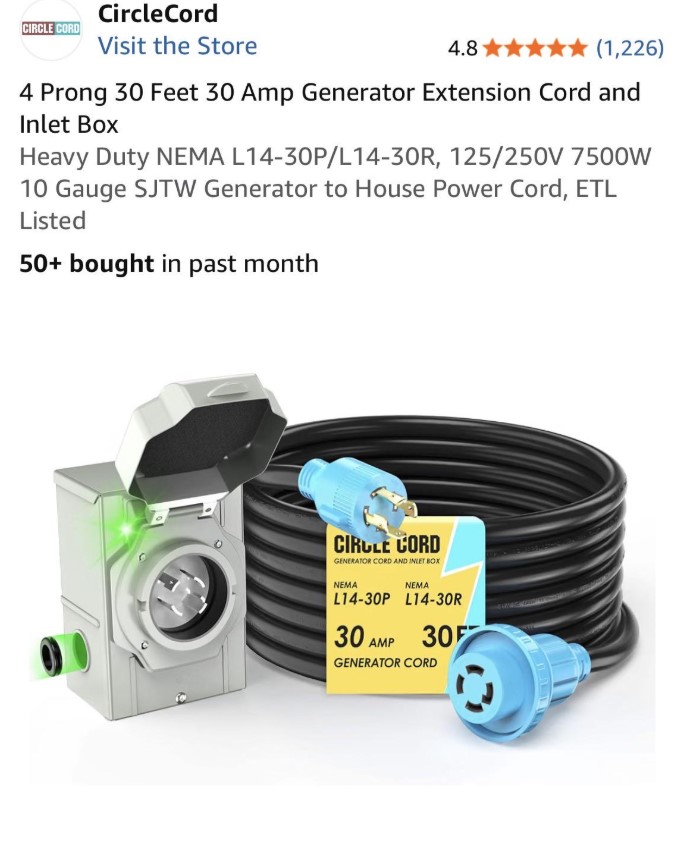
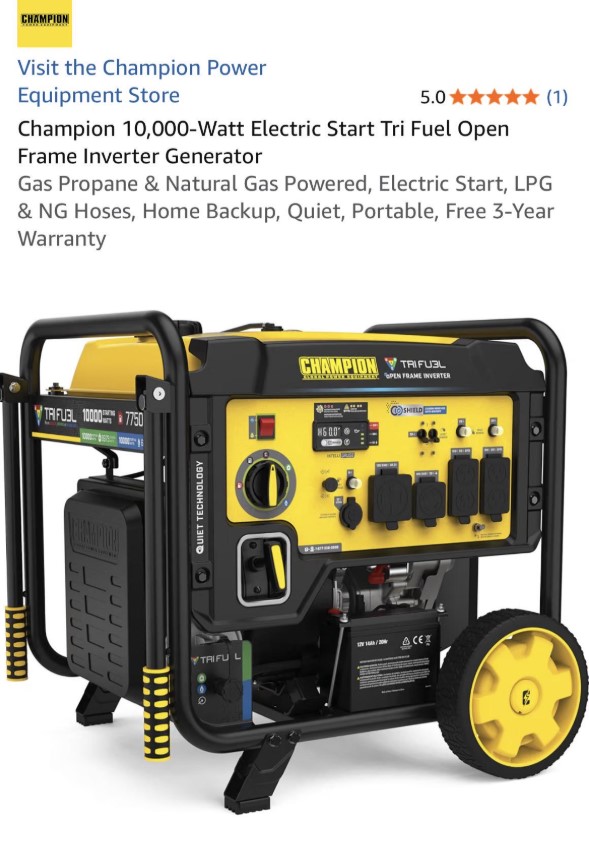
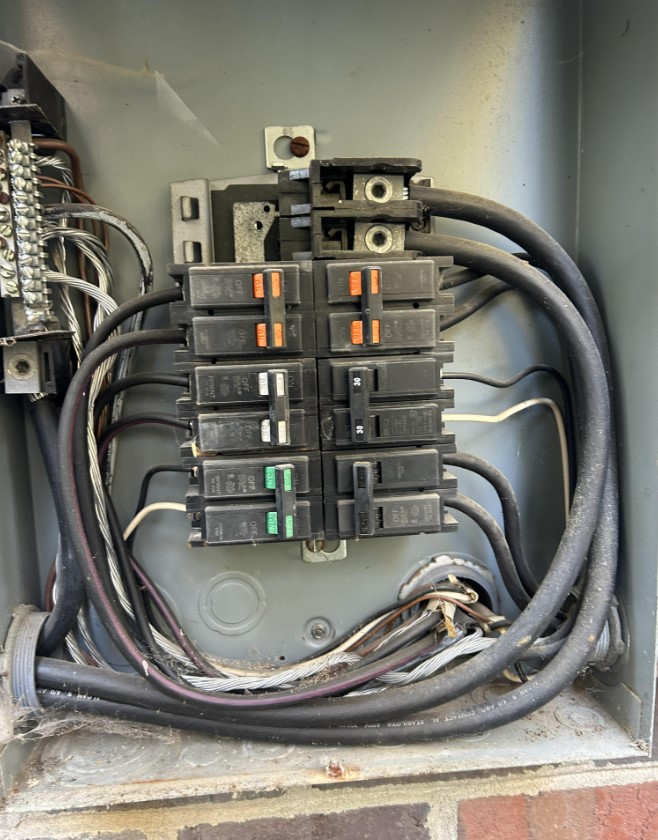
"Is my only option to replace the whole panel?" they asked, alongside photos of their new equipment and the panel.
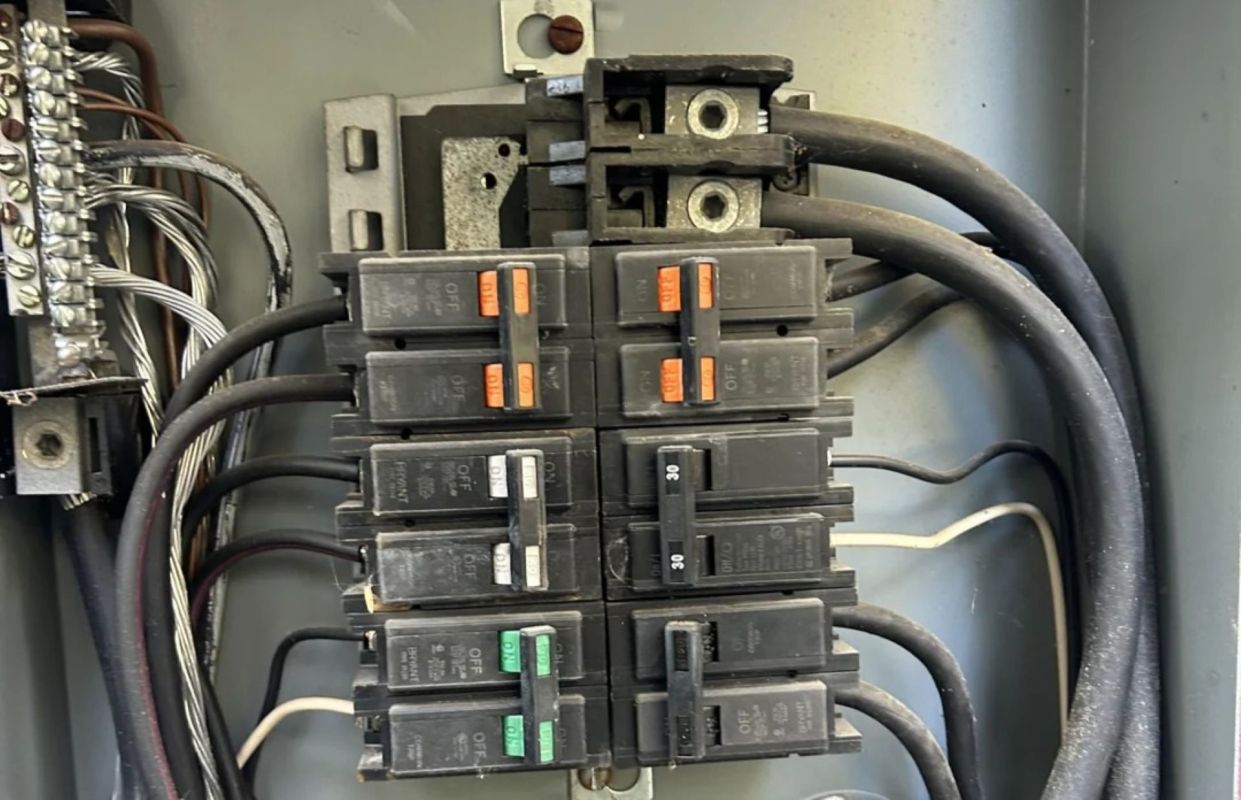
According to the homeowner, the meter fed the panel directly, with no separate main shutoff. They identified the orange breaker at the top right as the main breaker.
Several commenters said the house relied on multiple breakers to disconnect power, rather than a single main breaker. They identified the older setup as a six-disconnect arrangement.
TCD Picks » Quince Spotlight
💡These best-sellers from Quince deliver affordable, sustainable luxury for all




"Six breakers collectively are the main," one commenter explained.
That setup posed a problem for the planned interlock installation, with the same commenter suggesting transfer equipment or a panel replacement instead.
More background
One commenter warned that the large incoming wires and other breakers could remain energized even after the breaker supplying the home was switched off.
Another commenter noted a limitation of their suggested manual transfer switch for the inside panel: the exterior panel's five remaining breakers would not receive generator power.
The homeowner then asked about a 30-amp, six-circuit transfer-switch kit. They wanted the switch to handle both the house feed, using one position, and exterior-panel loads, using the remaining positions.
Someone pointed them toward a different style of transfer switch, explaining that the proposed arrangement would not work with that kit.
What can be done?
Commenters outlined several options, including replacing the existing panel with one that has a suitable main breaker, installing a transfer switch ahead of the panel, or exploring a meter-mounted transfer device.
One commenter recommended Generlink, a device mounted at the meter with a built-in generator inlet. However, another noted that the homeowner would need to determine whether the device was allowed in their location.
A commenter who owned a 40-amp Generlink shared their utility handled both supplying and installing the device, at a cost slightly below $1,000. They noted its built-in inlet would make the homeowner's separate inlet unnecessary.
In the comments, the original poster expressed interest in feeding their whole house with a transfer switch.
Where can I learn more?
Other homeowners have run into similar questions about their electrical panels when planning generator hookups.
• A homeowner's generator hookup quote included a $6,000 panel swap, but electricians suggested cheaper options.
• A homeowner planning a generator inlet learned the missing main breaker might be outside.
• After an electrician declared a smart-panel installation finished, a homeowner found two unconnected breakers.

Get TCD's free newsletters for easy tips, smart advice, and a chance to earn $5,000 toward home upgrades. To see more stories like this one, change your Google preferences here.
Cool Picks






