


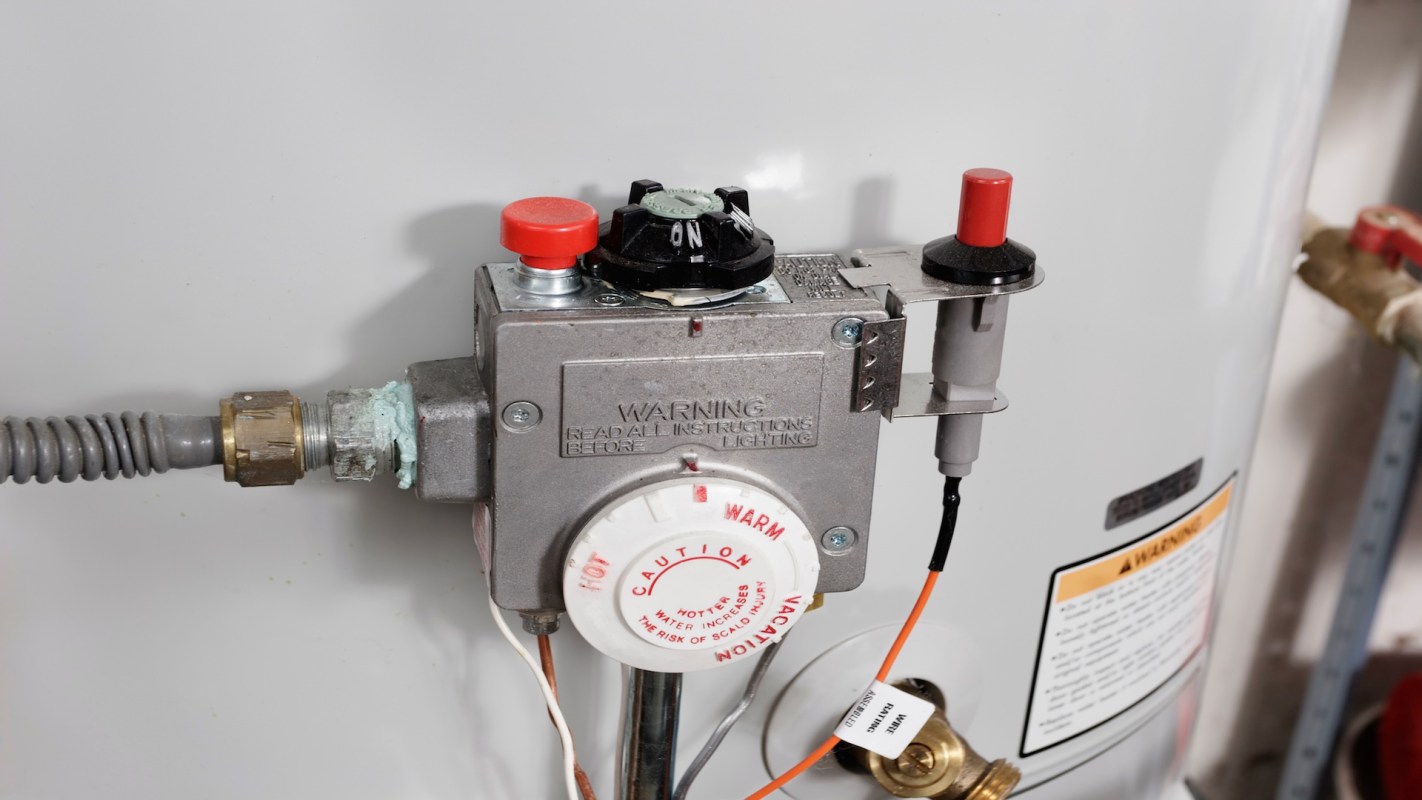
For homeowners hoping to save money with a DIY water heater swap, one stubborn component can turn a routine project into a serious safety issue. In this case, it was an old gas shutoff valve that did not stop in the off position.
The problem surfaced when a Reddit user found that the shutoff knob on a gas water heater didn't behave like a normal quarter-turn valve. Since the handle kept moving past 90 degrees, the user could not be confident the gas had actually been shut off.
Here's what to know
"How do I confirm this old gas shutoff valve is actually off before replacing my gas water heater?" the original poster asked. "It rotates past 90 degrees (I didn't go any further after I realized and just reverted back to 90 degrees/perpendicular). Is there a safe way to positively verify that the downstream water-heater line is isolated without loosening the gas connection?"
Users pointed to the standard handle-position rule: When it runs parallel to the pipe, it is open; if it is perpendicular to the pipe, it is closed.
Commenters noted the bigger issue was the valve itself. "You should really replace those two valves," one person warned. "They are not code-compliant. And just a leak waiting to happen."
Another user said, "If it doesn't seem to be shutting all the way, you can always cut the gas at the meter, and that's a good opportunity to replace this with a modern quarter-turn ball valve."
TCD Picks » Quince Spotlight
💡These best-sellers from Quince deliver affordable, sustainable luxury for all




More background
A water heater swap can seem straightforward until an aging component introduces uncertainty.
When a shutoff no longer stops where it should, it should be considered unreliable. With a gas line, that kind of doubt can lead to an emergency repair expense or at least postpone work so it can be done by a professional.
Commenters also flagged other issues with the setup, including old gas cocks, the lack of a drip leg, and other piping concerns. Even if requirements vary by jurisdiction, commenters agreed the water heater needed professional attention before the job continued.
The original poster recognized that risk, writing, "Will probably just call a plumber but just wanted to know."
What can be done?
Treat an old valve that over-rotates as a warning sign. If the shutoff does not stop cleanly or feels unreliable, pausing a project can avoid a dangerous situation or large repair bill.
A licensed plumber can confirm whether the line is isolated, replace an outdated shutoff valve, and bring a system up to a modern standard. Taking those steps during a water heater replacement is often more cost-effective than paying for a trip after a leak, broken valve, or failed installation.
Users also advised the OP to not manipulate questionable old hardware. Pushing a sticky or fragile shutoff valve in hopes of finding a definite off position can make the situation more dangerous.
As one commenter warned, "If they give you any resistance when turning, leave it alone."
Where can I learn more?
This kind of problem is a reminder that home improvement projects often expose other issues. The stories below cover everything from venting hazards to routine maintenance.
• Plumbers warned one homeowner that a flue sloped the wrong way could raise carbon monoxide risk.
• A home expert said regular flushing can keep your water heater running and postpone expensive replacement.
• People replacing aging tanks learned a heat pump water heater can cut bills and modernize the system.

Get TCD's free newsletters for easy tips, smart advice, and a chance to earn $5,000 toward home upgrades. To see more stories like this one, change your Google preferences here.






