


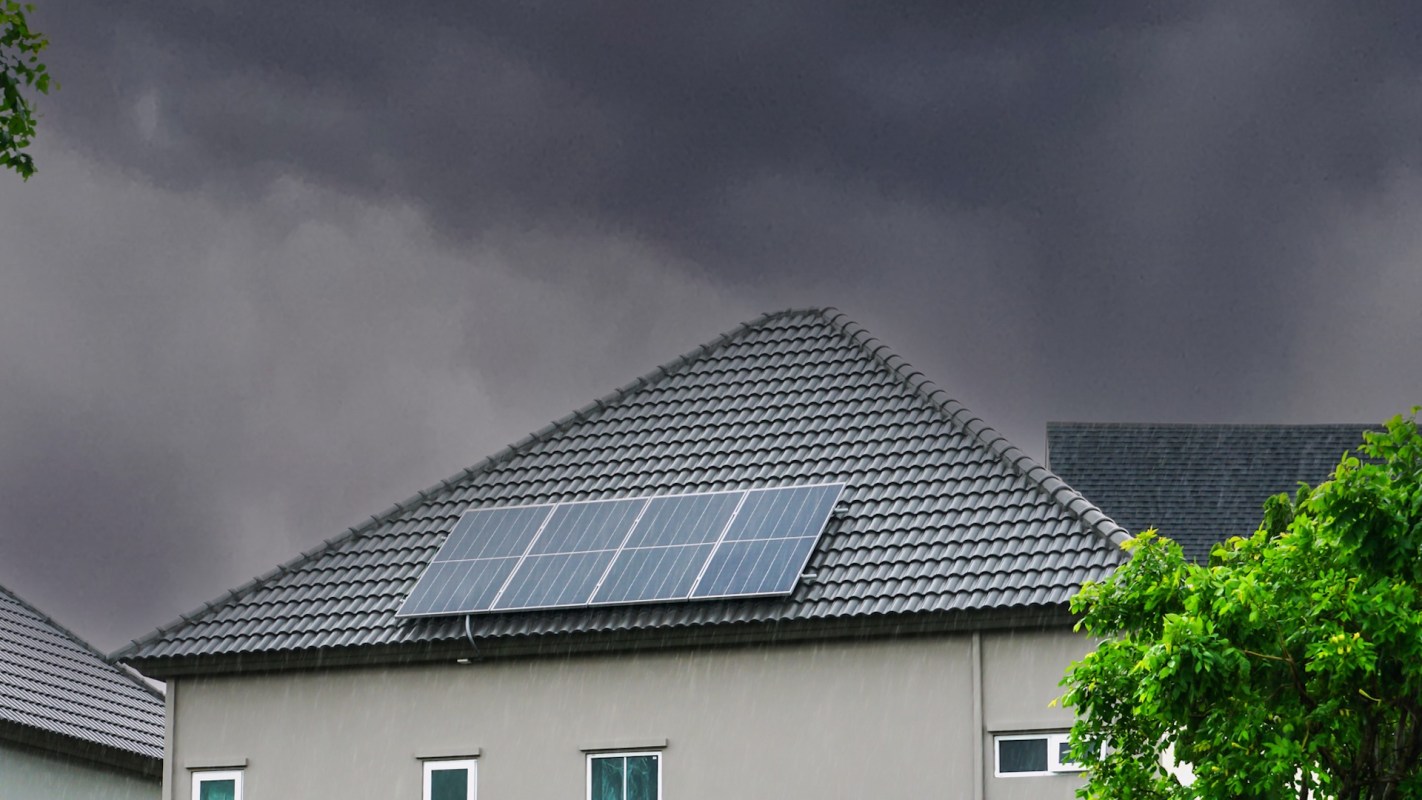
An Ohio resident hoping solar could protect a family home from storm-related disruptions turned to the r/solar subreddit for advice.
While solar can be a great way to cut utility bills, rooftop panels usually are not enough if the goal is backup power during outages.
Here's what to know
The original poster said their family worries about losing food during extended outages.
"My family exhibits a degree of resistance to change. We possess a southwest-facing roof with ample space," they wrote. "How can I effectively persuade them to contemplate the adoption of solar energy?"
Commenters urged the OP to determine whether solar made sense for the home. They pointed to factors such as the roof's condition, the home's wiring, the family's finances, electricity use, and utility rules.
They also noted that the least expensive setup would likely not meet all their goals.
"The 'cheapest' is a pure 'grid-tie' system where it offsets some or all of their electrical use while the sun is shining," a user wrote. "However it's useless at night OR when the grid is down."
Solar remains one of the best ways for many homeowners to reduce energy costs, particularly if the home has a well-positioned roof and high electricity bills.
Save $10,000 on solar panels without even sharing your phone number Want to go solar but not sure who to trust? EnergySage has your back with free and transparent quotes from fully vetted providers that can help you save as much as $10k on installation. To get started, just answer a few questions about your home — no phone number required. Within a day or two, EnergySage will email you the best local options for your needs, and their expert advisers can help you compare quotes and pick a winner. |

Tools such as EnergySage can help homeowners get free solar installation estimates and compare quotes before deciding whether the investment makes financial sense. Those companies do not get your contact information unless you choose to work with one further.
More background
For many households, the appeal of cleaner and cheaper electricity is obvious, but the decision usually comes down to whether the home is a good fit.
"Math should be all you need to persuade them," a commenter said.
Backup power was another major theme in the replies. Commenters explained that most grid-tied solar systems stop operating when utility service goes out so they do not send electricity back into the grid.
More From EnergySage
💡Go deep on the latest news and trends shaping the residential solar landscape

As a result, families focused on blackout resilience generally need battery storage or a similar backup system along with solar.
What can be done?
Users suggested building the case with household data. That means gathering a full year of electric bills, verifying the roof's age, seeing whether the electrical panel can take a solar breaker, and asking installers about incentives and local utility rules.
EnergySage can be especially helpful, saving the average person $10,000 on a solar purchase and installation.
EnergySage's solar map shows the average cost of a home solar panel system by state as well as details on solar panel incentives in each state. Together, these resources can help homeowners get the best price for rooftop solar panels and access available incentives.
Adding battery storage to a solar setup is one of the best ways to protect your home during outages, save money on energy, and go off-grid. Batteries can keep essential loads running when utility power fails. Homeowners can also explore EnergySage for information about home battery storage options, including competitive installation estimates.
Where can I learn more?
Other stories explore similar questions.
• Solar owners with battery backups said outages barely interrupt daily life.
• Prepared homeowners debating outages noted generators and solar panels solve different problems.
• After a devastating hurricane, one homeowner found the real payoff was keeping lights on.

Get TCD's free newsletters for easy tips, smart advice, and a chance to earn $5,000 toward home upgrades. To see more stories like this one, change your Google preferences here.






