


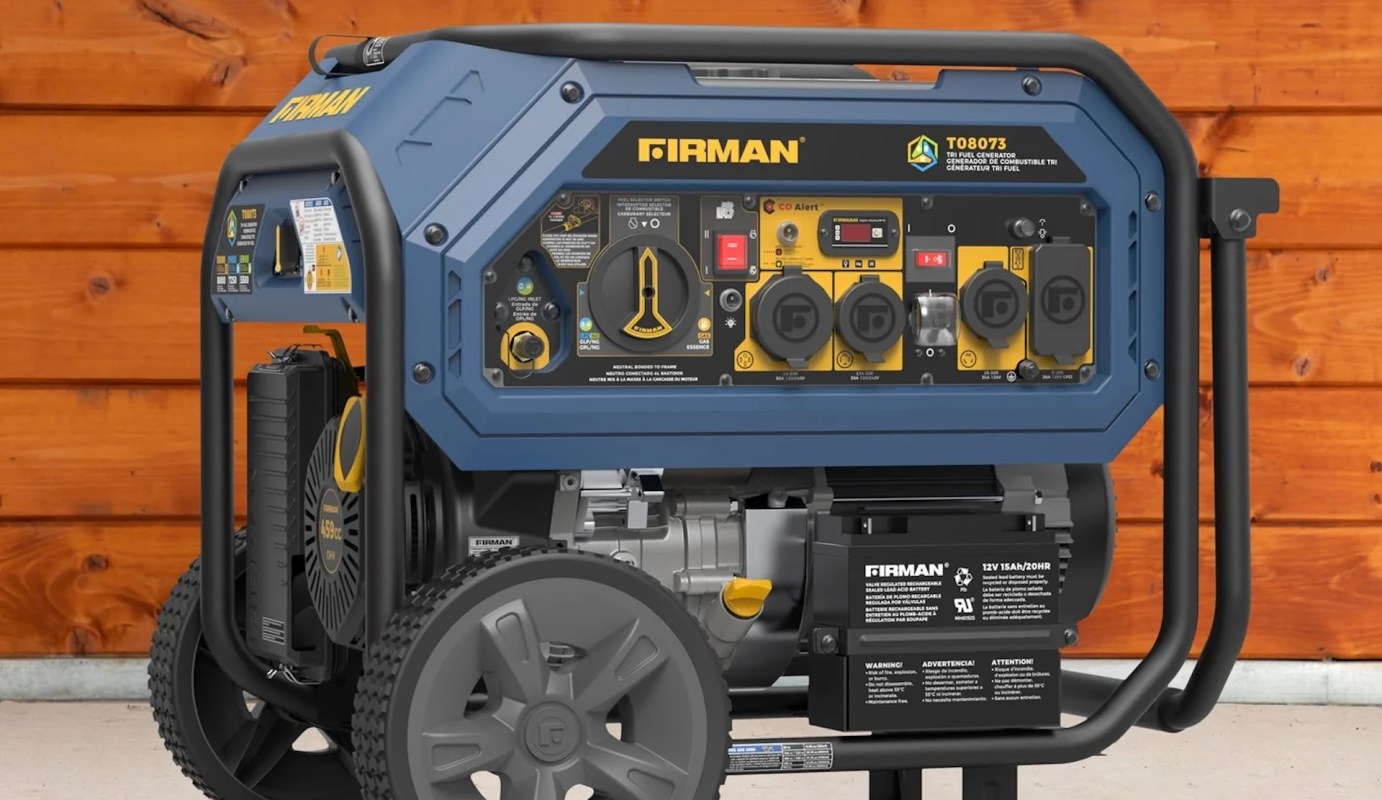
An Ohio resident weighing backup-power options started with a portable generator and plans for an interlock hookup, but concerns about "clean power" shifted the decision toward a bigger question: whether a standby system for the whole house would deliver better-quality electricity.
Here's what to know
In a post to Reddit's r/Generator forum, the homeowner explained that they had already purchased a Firman T08073 for emergencies. Only later, they said, did they learn that it "doesn't provide clean power."
This original poster then asked, "How do whole house generators compare in quality power (thd, etc) to portable inverter generators."
The technical answer from the top comment was blunt, "Currently, there is no such thing as an installed home standby inverter generator from the "usual" brands." OP responded with a simple "I see."
That commenter also noted that standby units vary by generation, writing that "Many newer ones have reasonably clean power but many older standby gens were quite high THD," and said sensitive equipment such as "fancy refrigerators, certain medical equipment, certain HVAC things, etc." can still pose concerns.
Cost and flexibility also shaped the discussion. Another homeowner pointed out that a large inverter portable might cost far less, saying, "A huge inverter gen goes for what…$3k?"
TCD Picks » Quince Spotlight
💡These best-sellers from Quince deliver affordable, sustainable luxury for all




Several replies contrasted that with the price of standby installations, saying the expense is harder to justify in areas that seldom lose power. As one person put it, homeowners where they live are not rushing to spend "5 figures on something that'll sit for a decade unused."
In places hit more often by severe weather, though, commenters described the calculation differently. One wrote, "I can tell you that in South Louisiana, a home generator will sell your house faster than fancy cabinets and a Jacuzzi tub."
Not everyone agreed with this take, though. As another user explained, "I don't see the whole house Gen adding any resale value. The portable you can [at least] take with you, or use for other purposes being portable and all."
What can be done?
For homeowners trying to save money, it helps to work backward from outage priorities instead of starting with the sales pitch.
Begin by identifying the essentials that need backup power, like refrigeration, medical equipment, heating or cooling systems, internet, sump pumps, or basic lighting, and then check whether any of those devices are especially vulnerable to dirty power.
Thinking through those loads first can reduce the chance of buying more backup power than the home really needs. If outages are infrequent and only a few circuits matter, a portable or inverter-style unit may be the cheaper fit. If automatic operation and ease of use matter most, a standby generator may be worth the extra cost.
Where can I learn more?
Questions about long-term value, home energy planning, and what holds up when the grid is under strain come up well beyond generator shopping. The stories below look at how homeowners are weighing cleaner equipment, backup preparedness, and which upgrades make sense over time.
• Across many housing markets, solar panels can raise home value while trimming utility costs.
• In Hawaii, Shifted Energy is turning home water heaters into grid-balancing virtual power plants.
• Across U.S. households, clean energy is now cheaper and safer than dirtier alternatives.
Read alongside the generator debate, these stories offer a wider view of how people think about resilience at home.

Get TCD's free newsletters for easy tips, smart advice, and a chance to earn $5,000 toward home upgrades. To see more stories like this one, change your Google preferences here.






