


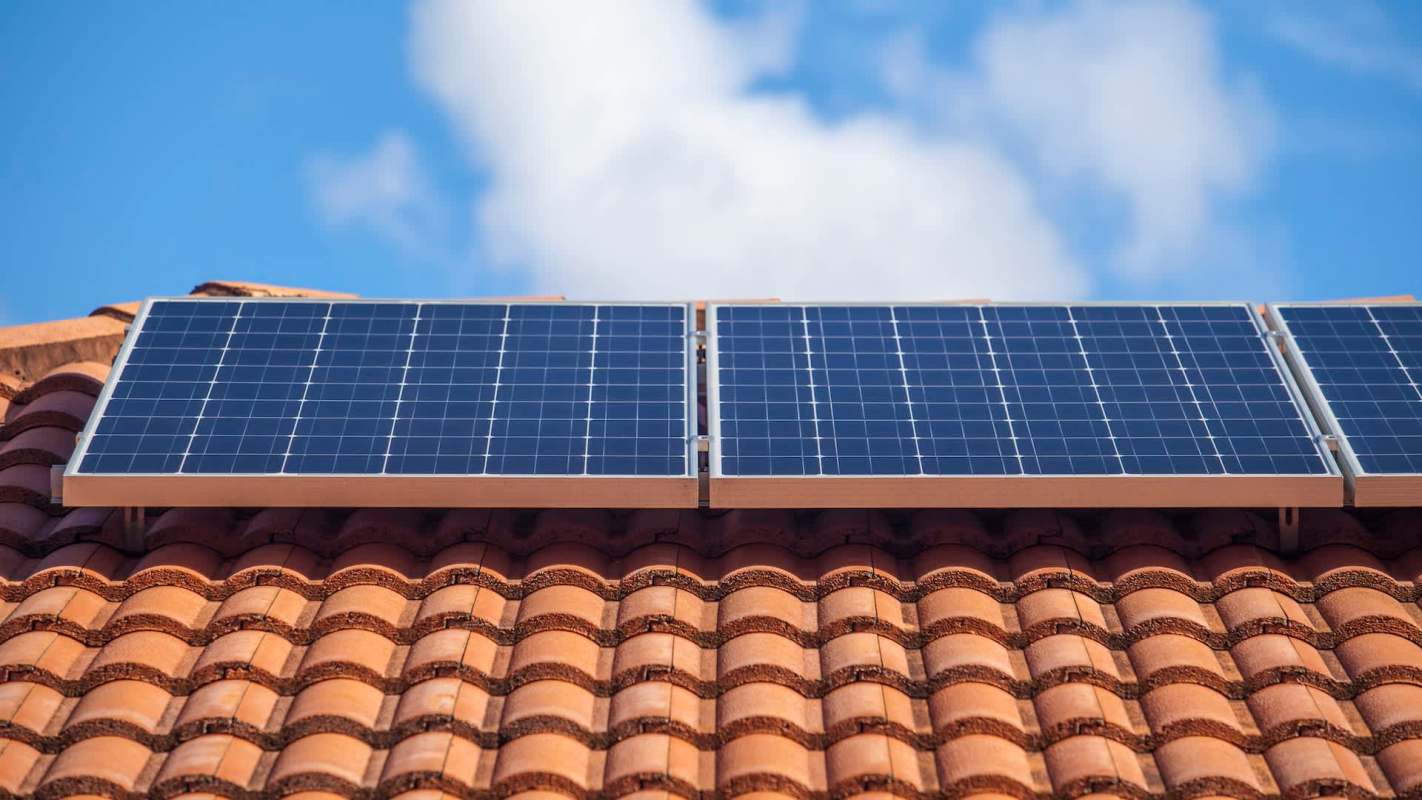
Two solar installers gave the same recommendation to an Ohio homeowner shopping for a roughly $38,000 rooftop system: hold off on battery storage for now.
With favorable net metering in the state, that could be the cheaper choice in the near term.
What's happening?
The homeowner brought the question to Reddit while describing a planned setup of "38k for 39 SEG 440 panels and Enphase iq8ac." They said they wanted to think ahead about how batteries might fit into the project later.
They wrote: "I've been told by two installers now that it's probably best to wait on batteries for now, due to the net metering but also since battery technology is rapidly advancing and will make the cost much cheaper in the future."
Cost was a major part of the discussion. The homeowner said a large Franklin battery had been quoted at "around 13 to 14k at the moment" and asked, "is there any way to estimate what I am looking at for battery cost in 5 to 7 years?"
Responses in the thread mostly supported waiting, particularly for a home with strong net metering and few outages. Some commenters, however, questioned whether battery prices will really drop enough over the next several years to make delaying the obvious choice.
Going solar is one of the best ways to save money on home energy. If you're pricing out a system, EnergySage offers free tools to get quick solar installation estimates and compare quotes.
Why does it matter?
For many households, strong net metering can make the grid work a bit like a virtual battery. If your utility gives you solid credit for excess daytime solar power, adding a battery right away may not offer the fastest financial return.
Save $10,000 on solar panels without even sharing your phone number Want to go solar but not sure who to trust? EnergySage has your back with free and transparent quotes from fully vetted providers that can help you save as much as $10k on installation. To get started, just answer a few questions about your home — no phone number required. Within a day or two, EnergySage will email you the best local options for your needs, and their expert advisers can help you compare quotes and pick a winner. |

Storage remains a major upfront expense. In this case, a single battery quote of roughly $13,000 to $14,000 would add more than a third to the cost of the homeowner's planned solar installation.
The tradeoff is resilience. Batteries can keep key appliances running during outages, but if blackouts are uncommon, some homeowners may prefer to install solar first and revisit storage later.
In some cases, homeowners put in the panels first, lock in bill savings, and add backup later if their needs change.
What can I do?
If you're considering a similar setup, start by asking how often your home actually loses power, how your utility handles net metering, and whether your installer can make the system battery-ready even if you do not buy storage today.
More From EnergySage
💡Go deep on the latest news and trends shaping the residential solar landscape

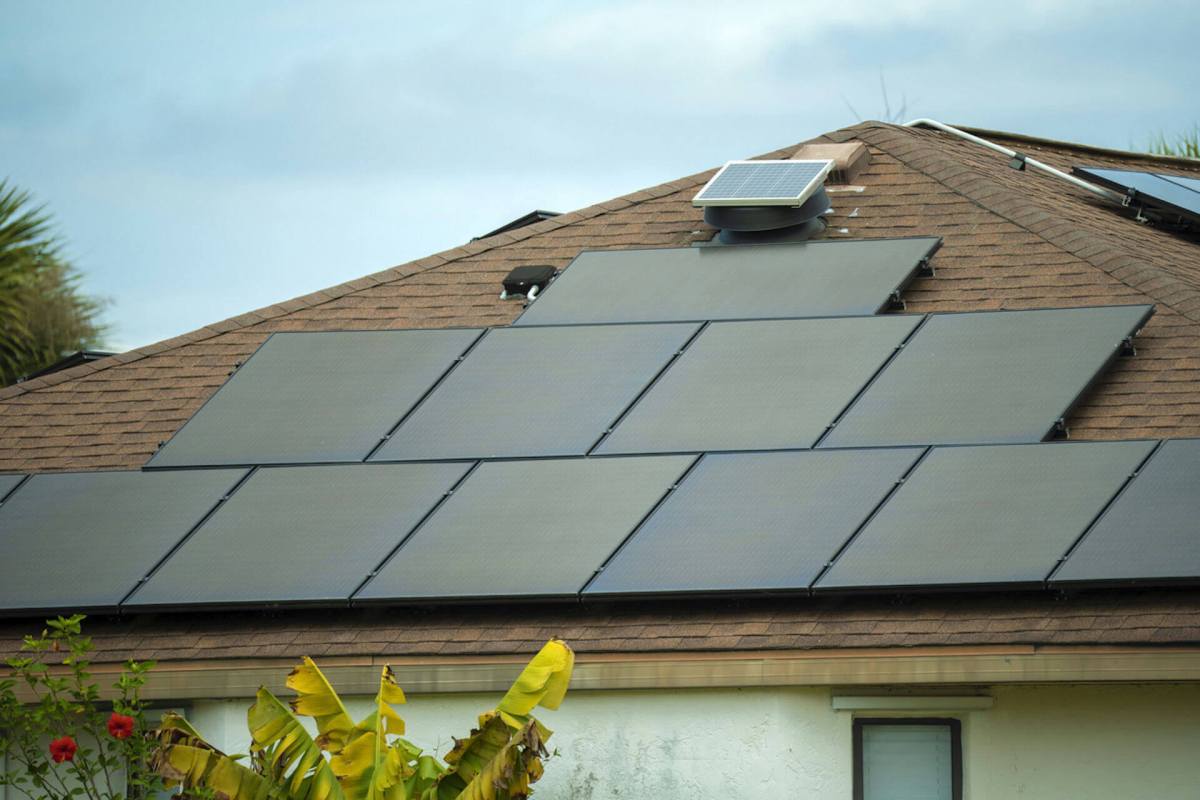


That approach can help you avoid paying for something you may not need yet while preserving flexibility down the road.
EnergySage's free services can also help take some of the guesswork out of the process. With EnergySage's help, the average person can save up to $10,000 on solar purchases and installations. EnergySage's solar map shows the average cost of a home solar panel system on a state-by-state level, as well as details on solar panel incentives for each state. Together, these resources can help readers get the best price for rooftop solar panels and access available incentives.
Adding battery storage to a solar setup is one of the best ways to protect your home during outages, save money on energy, and go off-grid. If you want to compare your options now or later, explore EnergySage's free tools for information about home battery storage options, including competitive installation estimates.
As the homeowner put it, "it feels somewhat valuable because I would expect sales people to sell me everything."

Get TCD's free newsletters for easy tips, smart advice, and a chance to earn $5,000 toward home upgrades. To see more stories like this one, change your Google preferences here.






