


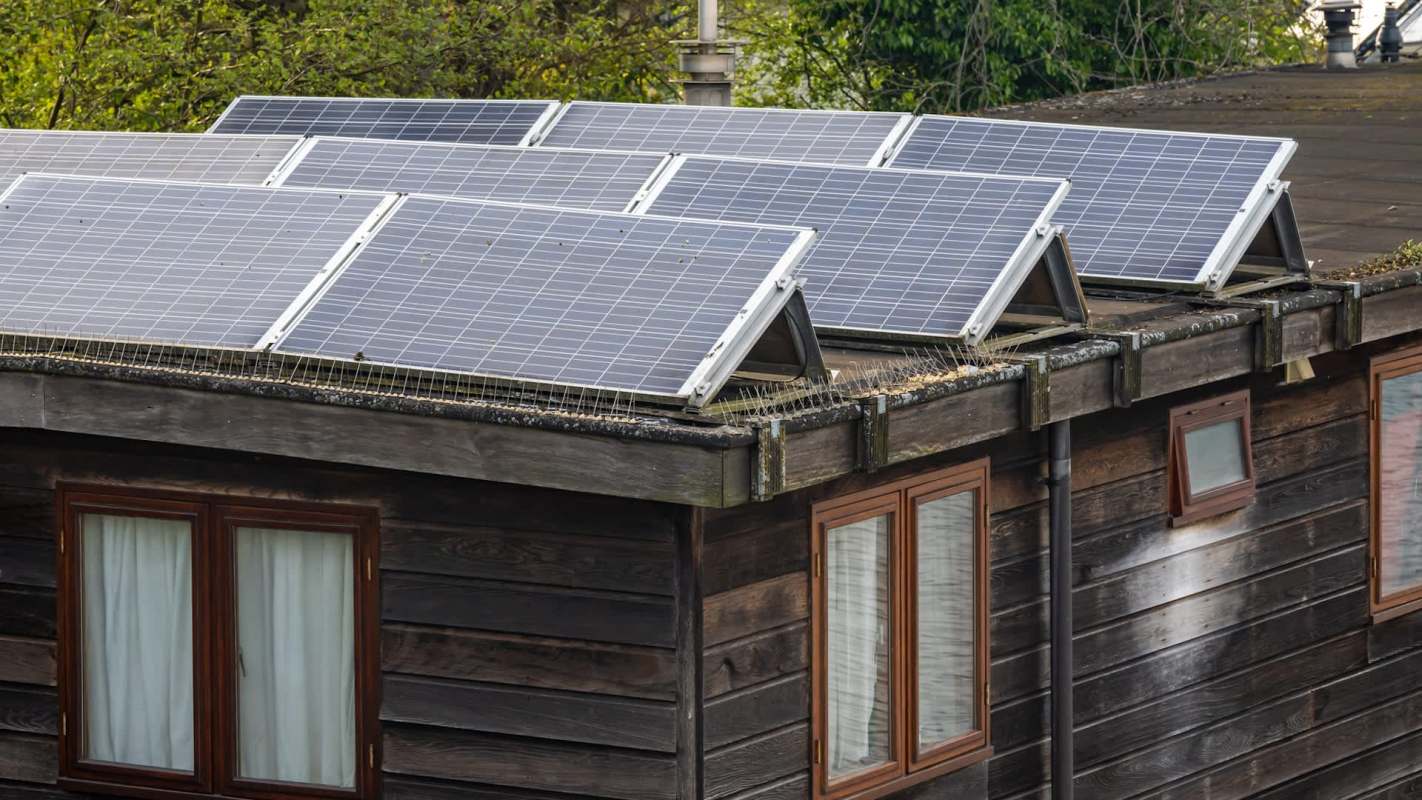
A Reddit post about an off-grid home's chronic power problems struck a nerve with solar-savvy commenters because the original poster said their parent lives off-grid, relies heavily on a petrol generator, and keeps ending up with flat batteries despite having a 6.2-kilowatt inverter, 12 AGM batteries, and 15 solar panels.
Here's what to know
Writing in Reddit's r/OffGrid, the original poster said, "Most of the time he uses a generator to power the house which uses a lot of petrol and I'm wondering why he's always having flat batteries."
They also said the home uses a large fridge, computers, and cooking appliances that "would add up to about 6kw on a busy day."
A common response in the thread was that the solar array may simply be too small for the rest of the system.
"12, 200AH batteries is about 30 KWh, being fed with only about 2.8 KW of solar panels???" one commenter wrote.
They added that, under real conditions, those panels might only put out roughly 1.8 to 2 kilowatts, and only for a short window around midday.
In other words, an off-grid setup has to do more than match a rough daily total: it needs enough solar to refill batteries after losses, handle power being used during the day, and keep up through cloudy weather, winter light, older panels, and battery wear.
Going solar is one of the best ways to save money on home energy, especially when it cuts generator fuel use or utility bills over time. Homeowners who want to compare options can try EnergySage to get free solar installation estimates and compare quotes.
Save $10,000 on solar panels without even sharing your phone number Want to go solar but not sure who to trust? EnergySage has your back with free and transparent quotes from fully vetted providers that can help you save as much as $10k on installation. To get started, just answer a few questions about your home — no phone number required. Within a day or two, EnergySage will email you the best local options for your needs, and their expert advisers can help you compare quotes and pick a winner. |

More background
Another major point from commenters was that the answer depends heavily on where the home is located.
One Redditor explained, "For off grid the system needs to be designed for the worst months of the year," meaning latitude, weather patterns, and long periods of gray skies can all drag production down.
Many users also focused on the battery bank. They said AGM batteries are generally less efficient than lithium iron phosphate, or LiFePO4, batteries, and that lead-based batteries can wear out faster if they are repeatedly discharged too deeply. If that has already happened, a struggling battery bank could make a too-small solar array seem even more inadequate.
What can be done?
Several commenters said the best starting point is better measurement before replacing anything. They recommended tracking actual watt-hours, checking whether the batteries are ever reaching a full charge, looking for corrosion or other wiring problems, and confirming that the panels are producing the output they should.
More From EnergySage
💡Go deep on the latest news and trends shaping the residential solar landscape

Adding battery storage to a solar setup is one of the best ways to protect your home during outages, save money on energy, and go off grid. Homeowners can explore EnergySage for information about home battery storage options, including competitive installation estimates.
Tools can help with the financial side, too. EnergySage's solar map shows the average cost of a home solar panel system on a state-by-state level, along with details on solar panel incentives for each state. Together, those resources can help homeowners get the best price for rooftop solar panels and access available incentives.
That can add up quickly: with EnergySage's help, the average person can save up to $10,000 on solar purchases and installations. For anyone considering a bigger array, better batteries, or a full rooftop system, that kind of comparison shopping can make a major difference.
Where can I learn more?
These stories dig into many of the same questions, including how solar performs in winter, how backup power holds up, and what the right equipment can cost.
• An off-grid homeowner argued snow-covered solar panels can keep producing when many people assume otherwise.
• In Australia, a homeowner said a 20kW solar setup erased blackouts and pushed bills negative.
• EnergySage COO Charlie Hadlow broke down what drives solar costs when homeowners start comparing systems.

Get TCD's free newsletters for easy tips, smart advice, and a chance to earn $5,000 toward home upgrades. To see more stories like this one, change your Google preferences here.






