


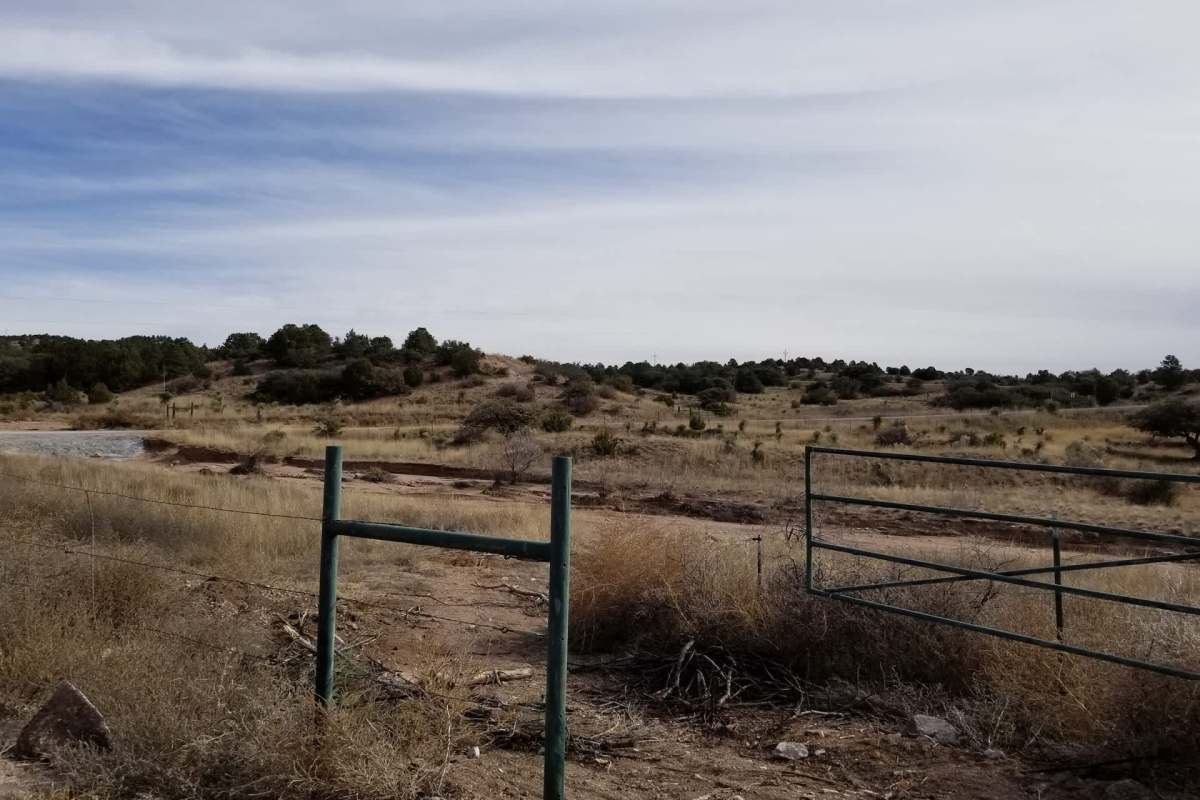
Cheap "off-grid" land can sound like a shortcut to lower costs and greater independence. But one New Mexico resident says some buyers in Taos County are finding out too late that a low sticker price does not always mean land that is actually livable.
Here's what to know
A Reddit user discussing lots in the Tres Piedras area said the challenge is not just living remotely. In their telling, buyers attracted by off-grid sales pitches may run into county requirements, difficult access, and major water constraints.
They wrote that a business they alleged to work with was "not being honest with what it says when you purchase land," adding: "You need building permits to build a house."
The poster described being under the impression that they could build their plan with less than three-quarters of an acre and then ran into permit problems related to the smaller size of the property. A commenter said "$20 says it was all disclosed," highlighting that paperwork often does absolve a company from liability or claims pertaining to specific listed problems the buyer may run into.
As the poster detailed in the Reddit thread, some smaller parcels may be too small to qualify easily for septic approval. New Mexico regulations restrict conventional water and septic systems on certain small undeveloped lots, and advanced treatment may be needed for lots below 0.75 acres, involving applications for alternative systems that may or may not be approved.
The poster also said extended RV living is not allowed there and claimed that getting a 911 address may require a building permit first. In other words, there is a distinction between land purchased or leased for temporary RV occupancy and permanent RV residency, and prospective buyers should make sure they fully understand that difference if they intend to use an RV for housing.
TCD Picks » Quince Spotlight
💡These best-sellers from Quince deliver affordable, sustainable luxury for all




The poster also described infrastructure problems, saying roads in the area are in poor condition, the nearest power line is about two miles away, and water haulers will not deliver because the roads are too rough.
They said monsoon rains had already turned those limitations into dangerous situations for some people. "Some washed out camps because they bought land in an Arroyo. Some stuck cars for days," the poster wrote.
The poster also described an instance of "one family knocking on my door at 3 am with 2 babies — 8 months and 2 yrs old — all bloody and muddy from being washed out of their tent last night."
At least one commenter said the rules and outcomes may not be identical for every parcel. A commenter who said they also live in Taos County wrote that they were "able to get a 911 address with just a site map and a flood zone map," suggesting that some details may depend on the property and permitting process.
More background
Water came up repeatedly in the discussion as the issue that matters most. One commenter wrote: "Land that doesn't have access to water is absolutely worthless. Electric isn't the issue, you can generate it from the ample sunshine. But you can't create water."
Another commenter pushed back slightly, saying a deep-well pump can run on solar, though that still does not answer the problem of whether usable water can be found in the first place. There are also solar-powered water harvesting devices that can be mounted on roofs, though those are not cheap and do require adequate moisture to operate.
The discussion also broadened into the history of heavily marketed New Mexico land subdivisions. The original poster described the area's lots as part of "the Great Southwestern land scam of the 1960s," while another commenter said there are "an insane number of similar 'rural land scams' here in NM," though, of course, that doesn't mean all land sales in the area are scams. It just means all buyers should beware of the possibility of not getting what they assume, particularly without due diligence in all paperwork.
What can be done?
One commenter put it bluntly: "As always, buyer needs to do their own due diligence. The seller always lies."
Another commenter outlined what that due diligence should include: seeing the parcel in person, checking with county planning and zoning, confirming septic and building rules, making sure the lot is large enough for the intended use, and finding out whether the road stays usable in all weather.
They also urged buyers to "Know your water plan. Will you collect, haul, drill? Delivery? Are all those legal in that county?" The same commenter added, "Due diligence isn't particularly fun but I wasn't about to drop $25k without knowing we could legally have a homestead there."
Where can I learn more?
For a closer look at the challenges that can come with going off-grid, these articles dig into the obstacles that can derail those plans. They cover inspections, daily tradeoffs, neighbor conflicts, and misleading solar sales tactics.
• A contractor said a real-world understanding of off-grid property matters before building.
• Off-grid homeowners said the hardest part was managing daily tradeoffs after leaving utilities.
• One homeowner faced a neighbor sabotaging their off-grid setup with repeated interference.
• New homeowners said a utility impersonator turned aggressive after checking their electric bill.
Editor's note: This article was updated to retract the name of the land sales company the Reddit user alleged to be dishonest, since The Cool Down could not independently verify the Reddit user's claims, and the focus of this coverage was to shed light on the broader challenges of going off-grid.

Get TCD's free newsletters for easy tips, smart advice, and a chance to earn $5,000 toward home upgrades. To see more stories like this one, change your Google preferences here.






