


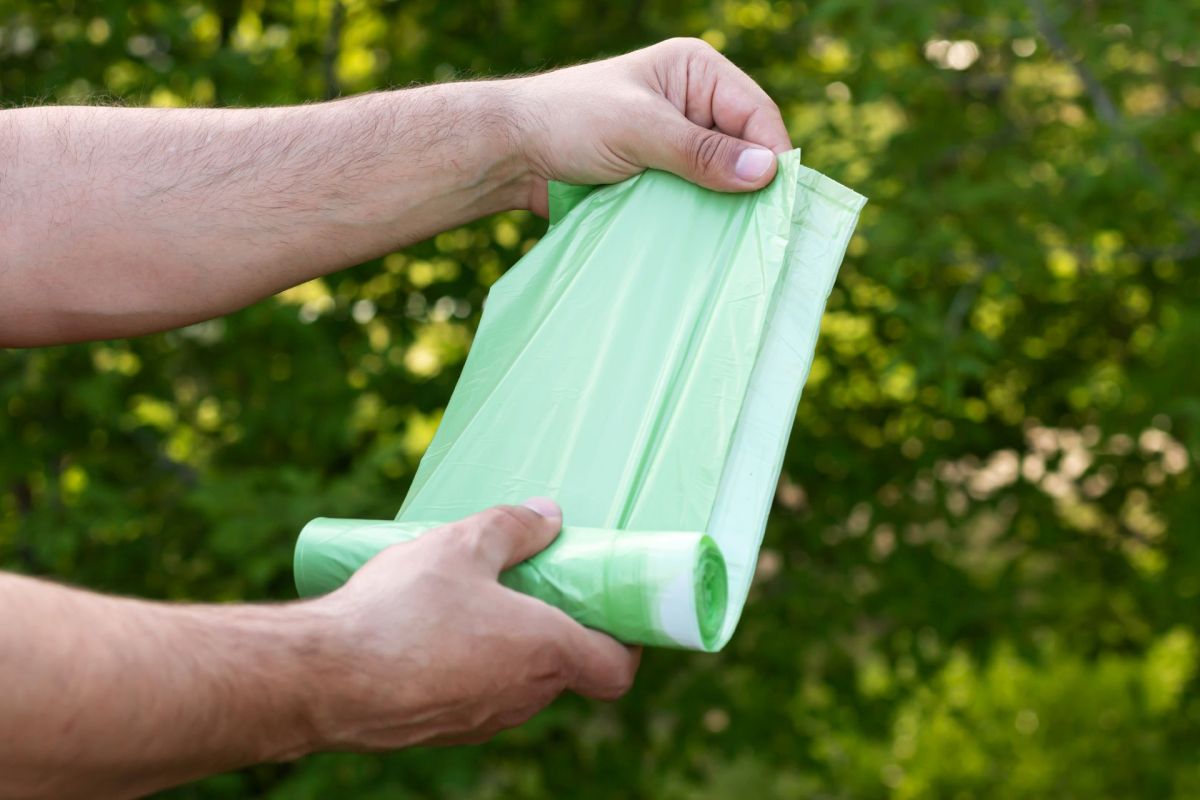
For many Californians, buying "compostable" liners seems like an easy way to keep kitchen scraps tidy while also doing something good for the planet.
In Oakland, however, those bags end up in the trash, meaning shoppers may be paying extra for specialty liners their city does not want.
Here's what to know
SFGate reported that the city's compost program no longer accepts green compostable bags, even if they carry BPI certification.
Instead, residents are being told to skip the liners and use low-cost or free alternatives they likely already have at home, such as newspaper, bread bags, paper towels, or flattened cardboard.
"One, a lot of them don't decompose in the average compost facility, and then two, if they do, it's bad for the compost," Oakland recycling program manager Rebecca Parnes said, per SFGate.
A major challenge is the pace of commercial processing. Joe La Mariana, executive director of the public agency RethinkWaste, told the outlet that partner facilities determined the material "doesn't break down in the 90- to 100-day production cycle that they have."
TCD Picks » Quince Spotlight
💡These best-sellers from Quince deliver affordable, sustainable luxury for all




StopWaste, a regional agency, says certification does not require complete breakdown. Compostable products need only degrade 90%, which means they can leave microplastics in soil and create environmental and health worries.
More background
Adding to the confusion, policies are not consistent across cities.
Other nearby programs take the opposite approach; Berkeley, Fremont, Union City, and San Francisco still permit compostable liners.
San Francisco says its main goal is increasing food-scrap composting participation, especially among apartment residents.
"We need everyone to put their food scraps in the green cart," said Hilary Near, San Francisco's commercial zero waste senior coordinator, according to SFGate. "We think liners do help residents of apartment buildings get their material into a green cart because they're going down flights of stairs."
Still, acceptance does not necessarily mean those bags make it through the process.
Near also told SFGate that Recology San Francisco's composting operations cannot reliably separate compostable items from standard plastic, so "they often all get marked as contamination and removed."
What can be done?
While city programs may seem similar, processing facilities and acceptance lists can vary significantly.
If your area does not accept compostable bags, there are simpler options.
Recology spokesperson Robert Reed advised putting a napkin or paper towel at the bottom of a compost pail to absorb moisture and emptying the container each night to control smells, as SFGate noted.
Parnes also recommended newspaper, bread bags, or flattened cardboard — everyday items that can help households avoid paying extra for green liners.
State law may eventually change the landscape.
Assembly Bill 1201, which will take effect in June, limits which products can be marketed as compostable. Another measure, Senate Bill 54, signed in 2022, says all single-use packaging and foodware sold in California must be recyclable or compostable by 2032, the newspaper reported.
"I think folks who are engaged enough to be willing to spend a little more to buy these bags are clearly trying to do the right thing for the environment," Parnes said. "So it's unfortunate that this isn't the right thing."

Get TCD's free newsletters for easy tips, smart advice, and a chance to earn $5,000 toward home upgrades. To see more stories like this one, change your Google preferences here.







