


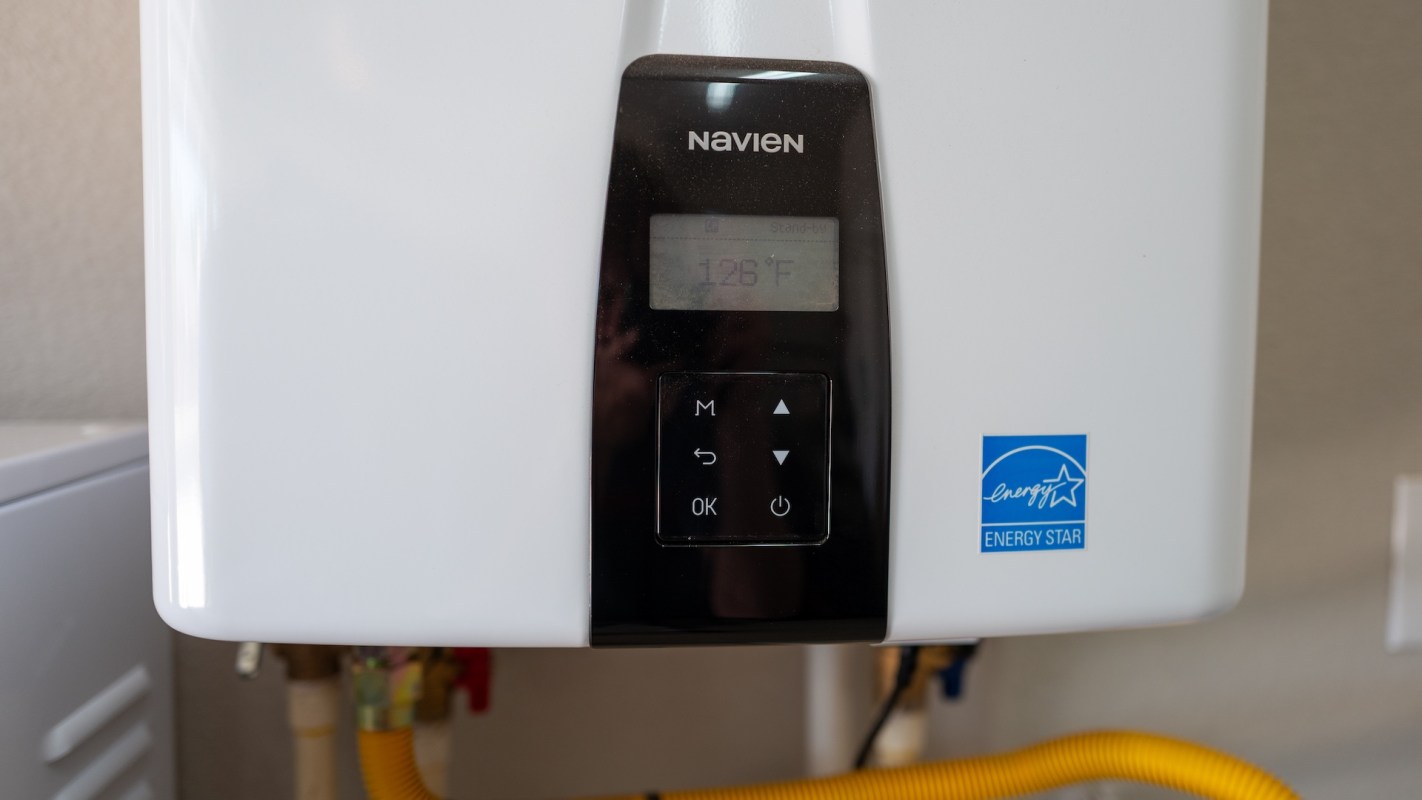
A Nova Scotia homeowner lost both heat and hot water after a leaking propane unit was shut down, turning a routine service call into a bigger decision about whether to repair the system or replace it entirely.
Here's what to know
A homeowner in Nova Scotia said a technician shut off their 12-year-old Navien propane tankless unit after finding a propane leak, according to a Reddit post. Because that one system supplied both hot water and baseboard heating, the household was left comparing another propane installation with a broader switch to heat pumps.
The poster laid out the costs as a long-term value question. They estimated about $5,000 to replace only the failed part on the aging unit, roughly $10,000 to $15,000 for a full propane replacement, and about $10,000 to $20,000 for a heat pump water heater plus heat pumps for space heating.
They added, "Based on our very limited experience, option B seems to be the best long term value."
Commenters were largely in favor of electrification.
One wrote, "Heat Pump and look for local incentives."
Another said, "Go with B. Your winters are no joke but modern cold climate heat pumps can handle it, especially if you keep the baseboards as backup for those -20 days."
More background
The immediate problem was hot water, while heating was described as a later concern. That is one risk with combination propane systems: when a major component goes down, two basic household needs can disappear at the same time.
Crushed by your bills? See instant solar savings from vetted installers in just a few clicks With energy prices through the roof, there's never been a better time to go solar — and EasyHome can help you find the best prices from the best installers in your area. EasyHome takes the guesswork and headaches out of energy upgrades by showing you estimated savings from a network of vetted local partners. To get started, just enter your ZIP and share a few details about your home — seeing your estimate is really that easy. |

The poster said the house dates to the 1940s and that the baseboards are "in pretty rough shape." They were considering adding ducting on the first floor and using a mini-split upstairs, a setup that could reduce fuel use and free up wall space if it is properly sized for the home.
One commenter warned, "Before you commit to this, make sure you have the electrical capacity to do so."
The original poster replied that their panel was "pretty well maxed out for breaker space and load," suggesting the project could require a service upgrade.
What can be done?
One practical first step is to separate the immediate emergency from the larger plan. Restoring hot water quickly does not necessarily mean committing to the same fuel system for another decade. A load calculation, panel assessment, and a few bids for cold-climate heat pumps can help clarify the tradeoffs.
Electrical planning can extend beyond the water heater itself. If a home may eventually add an electric range, heat pump dryer, or even EV charging, include that future demand in the electrical plan now rather than after a new system is already in place.
For homeowners focused first on hot water, Cala offers another heat-pump option. Cala's customizable smart heat pump water heaters help homeowners decrease their energy bills by heating water exactly when it's needed. Because the systems are designed around a household's usage patterns, they can reduce wasted energy while still keeping hot water ready when people actually need it. For families comparing upfront costs with long-term operating savings, a smart model from Cala could be worth adding to the quote list.
As the original poster put it, "Fixing the hot water in the next couple weeks is a priority, but if swapping to heat pumps is a bigger project it would be good to have time to plan that properly."
Where can I learn more?
These articles get at the same kind of homeowner math behind this Nova Scotia case: whether a big energy upgrade still makes sense once rebates, contract terms, and installation costs come into focus.
They focus on solar instead of propane and heat pumps, but they show how policy shifts and buyer hesitation can reshape a long-term electrification decision.
• EnergySage said solar costs can swing sharply with equipment choices, roof design, and labor.
• Across online forums, buyers were urged to protect themselves before signing expensive solar contracts.
That's why it pays to get multiple bids and double-check incentives before committing to an expensive home energy project.

Get TCD's free newsletters for easy tips, smart advice, and a chance to earn $5,000 toward home upgrades. To see more stories like this one, change your Google preferences here.






