


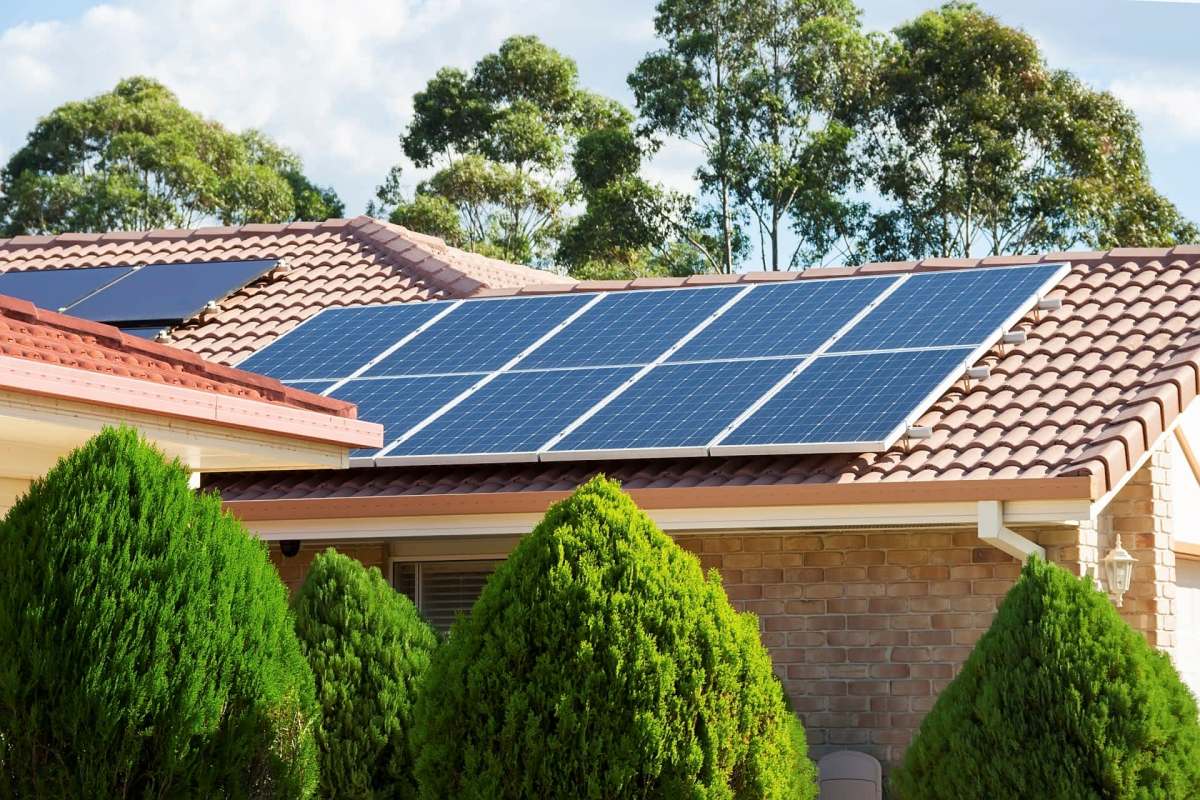
A counterintuitive solar idea gained attention online.
In hot, sunny Phoenix, panels facing the "wrong" way can sometimes outperform south-facing panels when the goal is to keep pace with peak summer air-conditioning demand.
That will not hold true everywhere — or all year — but it can make a meaningful difference for homeowners trying to cut seasonal power bills.
Here's what to know
The discussion started with a solar-design quiz shared in r/solarenergy. The original poster described a home at 33.4 degrees north that used 28 kilowatt-hours per day, with electricity demand rising much higher in summer, and posed a layout choice: eight panels could fit on the south-facing roof section, while a larger north-facing section had room for nine.
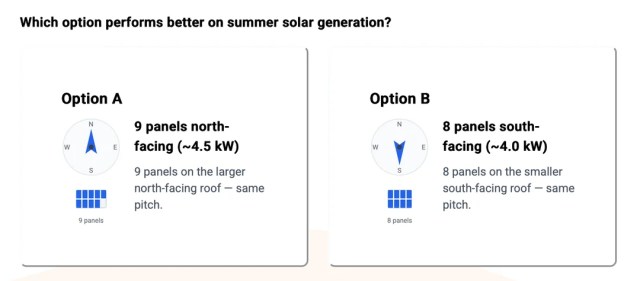
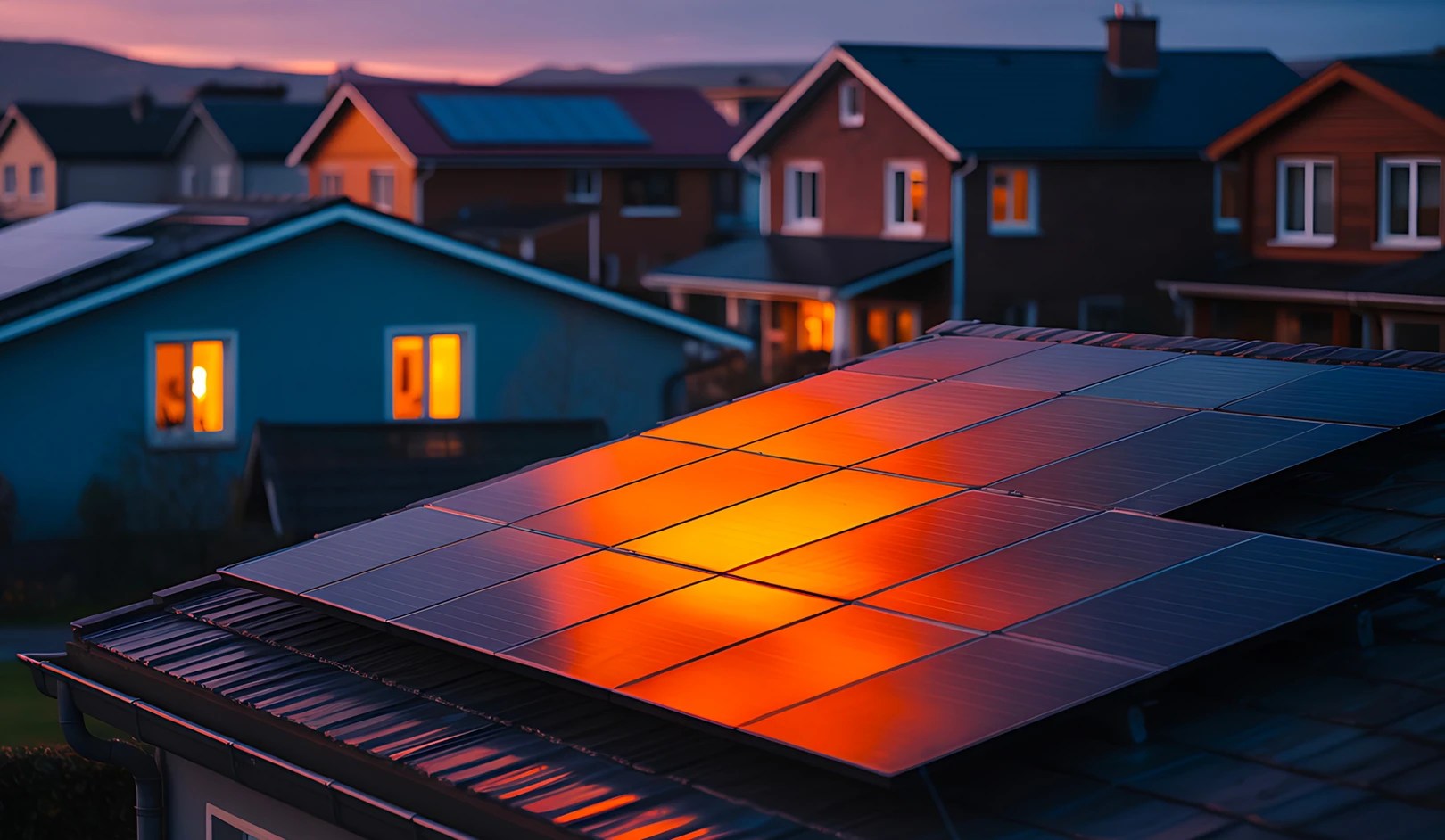
According to the OP's answer to the quiz, the summer-only winner in that scenario was the larger north-facing array: nine panels, or roughly 4.5 kilowatts, produced about 10% more power than the smaller south-facing setup.
The explanation was that during Phoenix summers, the sun sits high enough to light the roof plane opposite the winter-facing side, even though that same orientation performs much worse in winter.
"The further south you live, the more sunlight you will get on the north side of your roof during the summer," one user commented.
Going solar is one of the best ways to save money on home energy, especially when the goal is offsetting costly summer cooling demand. If you're weighing your options, you can explore how EnergySage can help you get free solar installation estimates and compare quotes.
Save $10,000 on solar panels without even sharing your phone number Want to go solar but not sure who to trust? EnergySage has your back with free and transparent quotes from fully vetted providers that can help you save as much as $10k on installation. To get started, just answer a few questions about your home — no phone number required. Within a day or two, EnergySage will email you the best local options for your needs, and their expert advisers can help you compare quotes and pick a winner. |

More background
Solar advice is often reduced to facing panels south in the Northern Hemisphere. That remains the best general rule for maximizing annual production, but this example shows how roof space, latitude, and seasonal usage patterns can shift the math.
Using Massachusetts as a contrast, one user noted that geography changes the calculation, saying north-facing panels there would not be as productive as they would be in Arizona.
The best way to think about a solar layout is to match it to when your home uses electricity. For households whose bills jump because of heavy summer AC use, a bigger array on a less-than-ideal roof face can still produce worthwhile savings.
What can be done?
Panel direction alone does not determine performance. Roof pitch, available space, local weather, and the timing of energy use all influence how much a system can reduce bills, so a production analysis is worth doing before signing a contract.
More From EnergySage
💡Go deep on the latest news and trends shaping the residential solar landscape

EnergySage's free tools can help with that comparison shopping. EnergySage's solar map shows the average cost of a home solar panel system by state along with details on solar panel incentives in each state, which can help readers get the best price for rooftop solar panels and access available incentives.
Adding battery storage to a solar setup is also one of the best ways to protect your home during outages, save money on energy, and go off-grid. Homeowners can explore EnergySage for information on home battery storage options, including competitive installation estimates.
"IF your usage is far higher in summer than winter (very common), then do not be afraid to put panels on your suboptimal roof face," the OP wrote in a comment.
Where can I learn more?
The debate comes down to matching a solar setup to your roof, your climate, and when your home uses the most power. The articles here add context, covering installation choices and regional demand patterns that can affect savings.
• Across U.S. rooftops, homeowners are weighing the key solar options before installation quotes roll in.
• In Australia, midday rooftop solar surges are making electricity costs nearly free.
These examples make it clear why the "best" panel setup depends on the home. If you're trying to cut summer cooling bills, a test can make a solar quote a lot easier to evaluate.

Get TCD's free newsletters for easy tips, smart advice, and a chance to earn $5,000 toward home upgrades. To see more stories like this one, change your Google preferences here.






