


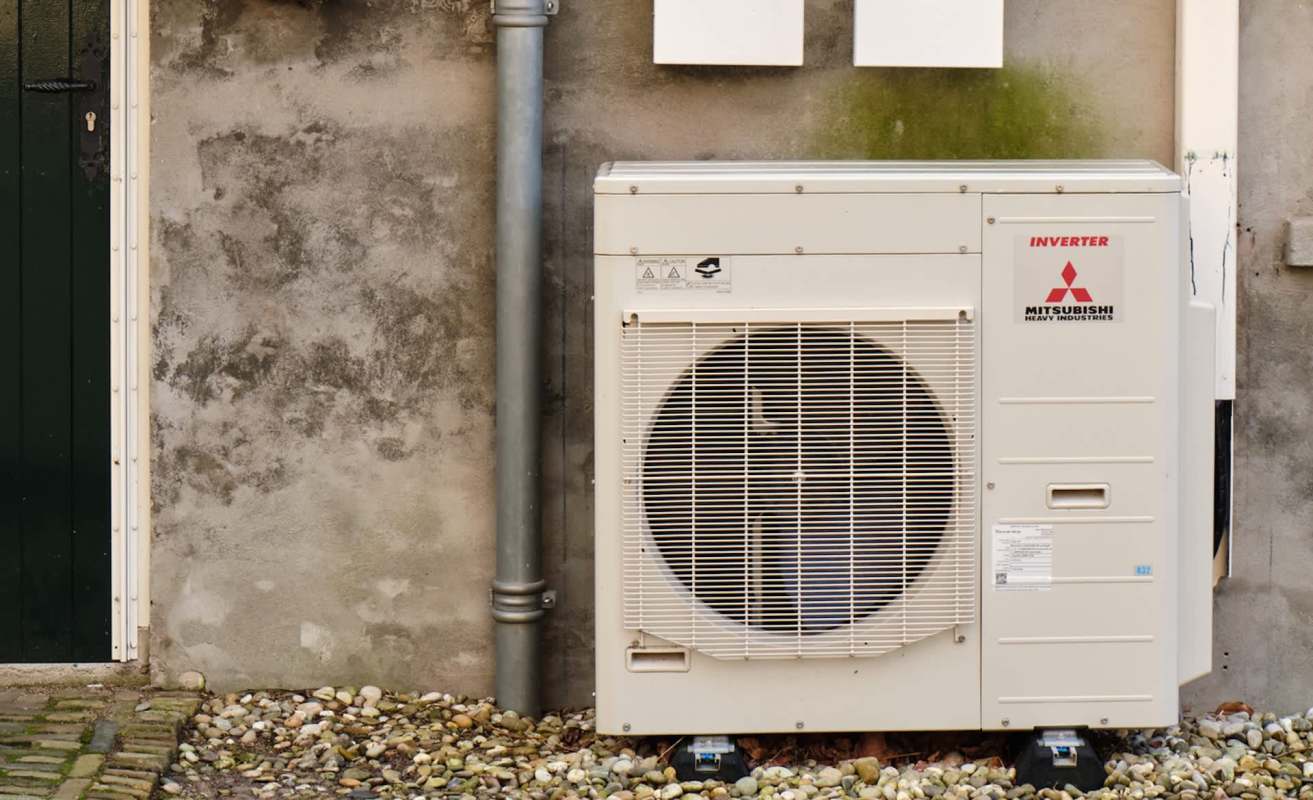
A North Carolina homeowner looking to heat and cool a 620-square-foot garage ran into a familiar home-upgrade dilemma: Spend about $1,500 now on a lesser-known mini-split brand, or pay roughly three times as much for one with a better reputation.
The question struck a nerve because many homeowners weigh the same trade-off as interest in electric heating and cooling continues to grow.
What happened?
After getting surprisingly low quotes for a garage mini-split installation, the homeowner brought the question to Reddit's heat pumps forum.
They said they had the option to choose from Prime, PG American, and Confortotal equipment, and they wondered whether anyone had experience with them. "All come with a five-year condenser warranty and one-year labor. I'm getting these all in for about $1,500 with electric work included, versus a Mitsubishi, which I'm getting at about $4.5k all in," they explained.
The discussion broadened into a discussion about balancing immediate savings against long-term dependability. Some people fixated on how low the bid was, while others debated whether an 18k BTU mini-split would be enough in the Tar Heel State, where coastal and mountain climates can create very different needs.
"18k for 620sf in a garage is oversized unless you're doing serious heat load. I'd have run the math first," one person advised. Another incredulously wrote: "$1,500 all in??? In the U.S.??"
Heat pumps are attractive to homeowners because they are significantly more energy-efficient than traditional HVAC systems, and they provide both heating and cooling.
That can translate to lower utility bills and long-term savings. If you want to explore which heat pump is right for you, EnergySage's heat pump marketplace makes it easy to compare your options. For small spaces and targeted heating and cooling, Merino offers single-room, ultra-efficient HVAC systems at a low price point.
Save $10,000 on solar panels without even sharing your phone number Want to go solar but not sure who to trust? EnergySage has your back with free and transparent quotes from fully vetted providers in your area. To get started, just answer a few questions about your home — no phone number required. Within a day or two, EnergySage will email you the best options for your needs, and their expert advisers can help you compare quotes and pick a winner. Solar panels can save you more than $50k over their 25-year lifespan, and EnergySage can help you save as much as $10k on installation. Which begs the question — isn't that worth an email or two? |

Why does it matter?
The exchange highlights a challenge for homeowners.
A mini-split can be a smart electrification upgrade that improves comfort and lowers energy use, but sizing, service support, and parts availability can make big differences in whether the investment actually pays off.
Saving on a heat pump upfront can be especially tempting for a garage or bonus space, but a low price may stop looking cheap if reliability problems show up later.
"TL;DR: Mitsubishis are zombies that never die. Buy Mitsu if you don't want to think about it for 15 years," one commenter recommended.
Others shared cautionary tales about cheap equipment. "Mine came with internal pumps that failed after about four years. They can't be fixed, only replaced," someone said.
What can I do?
If you're comparing mini-split brands, there are a few practical steps. Ask about parts availability, verify the installer's experience, compare warranty coverage, and make sure the system is properly sized for your climate and insulation.
It can also help to compare multiple quotes rather than focusing on sticker price. Resources such as EnergySage's heat pump marketplace can make it easy to compare equipment, incentives, and installer options before committing to the cheapest bid or most expensive brand name.
Homeowners interested in leveling up their energy systems can also use EnergySage, which offers a free solar quotes comparison tool.
For one commenter, the original poster had come out with a win either way. "The fact they let you choose options aside from the one with the most markup is phenomenal," they wrote.

Get TCD's free newsletters for easy tips, smart advice, and a chance to earn $5,000 toward home upgrades. To see more stories like this one, change your Google preferences here.






