


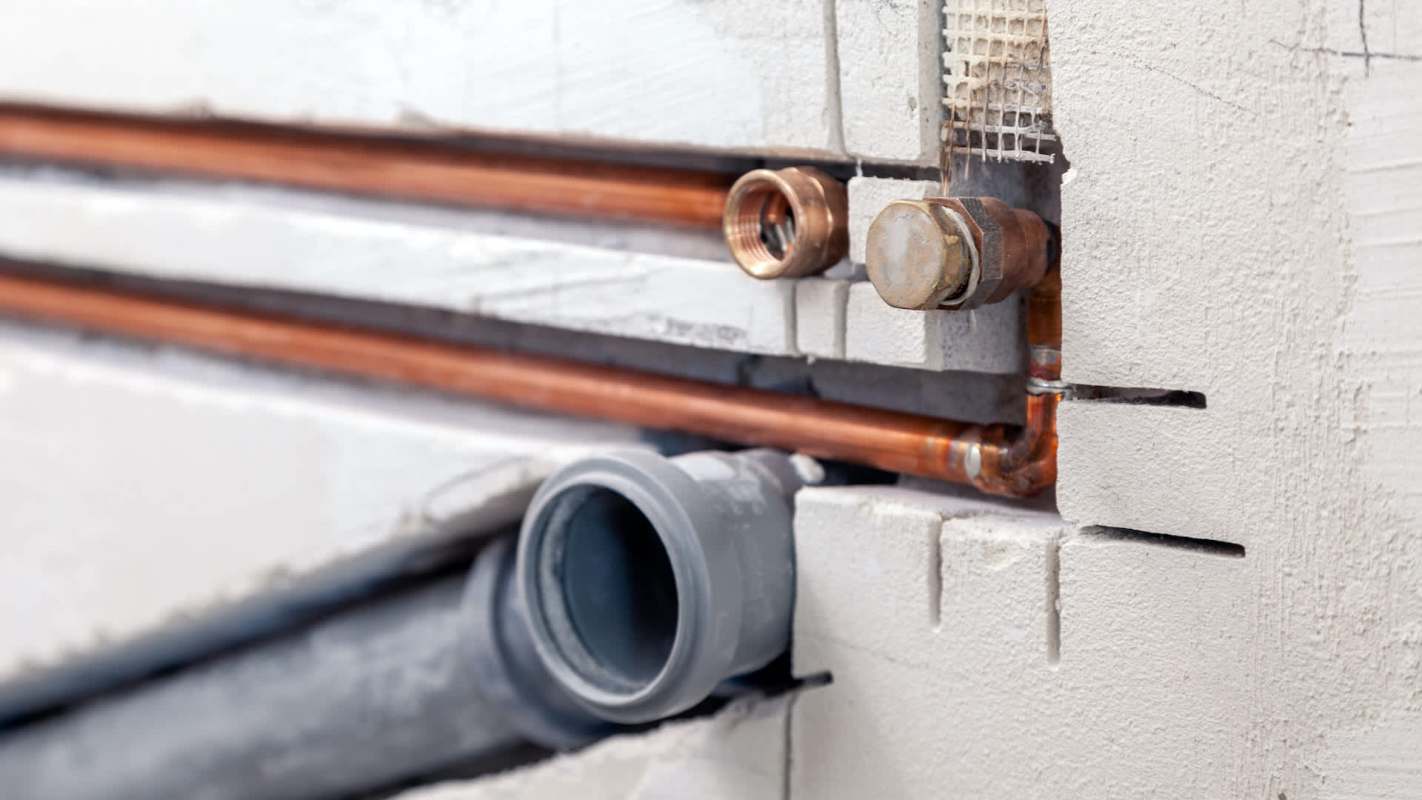
A prospective buyer in North Carolina discovered during an inspection that a 1960s ranch was fitted with polybutylene pipes throughout. The financial picture worsened when insurance quotes reportedly came in about 40% higher, and one carrier refused to insure the property altogether.
What looked at first like a plumbing concern became a wider problem, raising both affordability questions for the buyer and doubts about what the house could command later on.
Here's what to know
On r/FirstTimeHomeBuyer, a buyer said they were trying to purchase a ranch home in Raleigh when the inspection identified the piping material, as detailed in the post.
"We're already at the top of our budget so eating a $15k replumb isn't really an option," the buyer wrote.
The seller, according to the post, would not negotiate and answered that the plumbing "hasn't leaked yet."
In the replies, many people treated the bigger issue as the future cost of owning and insuring the house, rather than whether a leak had already happened.
TCD Picks » Quince Spotlight
💡These best-sellers from Quince deliver affordable, sustainable luxury for all




"You are not being dramatic. Uninsurable or 40% more expensive insurance is a deal term, not a personality quirk," one commenter wrote.
Another said the buyer should price the house as though pipe replacement will be required and then decide whether the budget still works.
A buyer can walk through a home without spotting the issues that later do the most damage to the budget, and a mortgage estimate may not capture them either. In this case, commenters pointed to insurance availability, ongoing costs, and possible resale complications.
More background
One point raised in the thread was that the problem may outlast this particular sale. If an insurer is already unwilling to cover the property, the same issue could confront a future buyer, turning it into a resale concern in addition to an immediate affordability one.
The age of the property prompted another line of discussion. One commenter noted that if a 1960s home has polybutylene pipes throughout, it may have been repiped later, making the permit history worth checking.
That does not establish that anything was done wrong, but it helps explain why buyers often need to go beyond the inspection summary and dig into follow-up questions.
What can be done?
Before making a final call, commenters said the buyer should gather paperwork. One recommendation was to obtain a plumber's written estimate and insurer documents showing either a denial or a higher premium, then use that information for one last evidence-based request to the seller.
Other replies focused on whether the deal still makes sense if the plumbing work has to happen sooner than expected. If the answer is no, the home may simply sit outside the buyer's safe budget, even after money has already gone toward inspections and appraisals.
The thread also included advice to review permit records, collect multiple replumb estimates, and be specific in any counteroffer. That could mean asking for a credit, seeking a lower price, or laying out a clear option that includes canceling the contract.
Another suggestion was to bring insurers into the process before contingencies are waived whenever a major inspection issue turns up. A problem that seems manageable at first can become far more serious once insurance costs factor into the decision.
Where can I learn more?
For buyers weighing a house with known risk, the math gets even tougher as insurance becomes more expensive and harder to get.
• In North Carolina, homeowners are bracing for a steep insurance rate increase that could squeeze already tight budgets.
• In Iowa and Illinois, a massive spike in insurance costs is projected as severe weather losses mount.
• Across hurricane-prone communities, annual weather events are driving homeowners insurance costs steadily higher year after year.
• In Colorado, homeowners have been left scrambling as insurers pull out of riskier areas.
• In several states, homeowners are seeing policies dropped after severe weather reshapes what insurers consider worth the risk.

Get TCD's free newsletters for easy tips, smart advice, and a chance to earn $5,000 toward home upgrades. To see more stories like this one, change your Google preferences here.






