


Families across some rural North Carolina communities are still feeling financial strain from dealing with the aftermath of Hurricane Helene.
Fortunately, a program has been introduced that could make it possible to replace old, fossil-fuel heating equipment with electric heat pumps, potentially lowering annual energy costs for households by hundreds or thousands of dollars.
The opportunity, however, may not be available for very long.
What's happening?
Beth Sorrell, a clean energy navigator with Energy Funds for All, has been assisting Ashe County, North Carolina, residents with applications for incentives that pay for swapping fossil-fueled appliances for efficient electric ones, Canary Media reported.
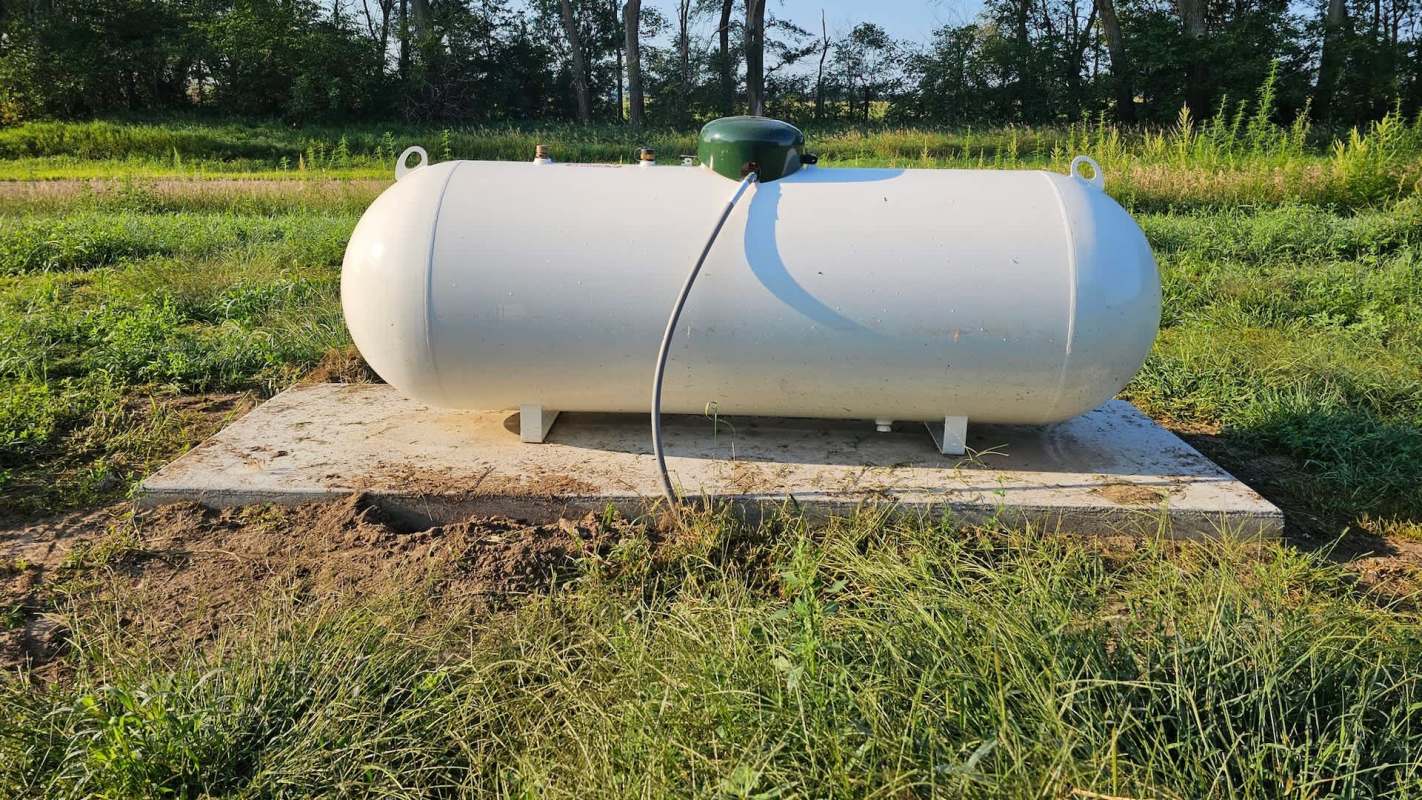
Woodstoves are common in this rural, heavily forested area of the state, and many homes also use propane — which can be particularly expensive.
Sorrell has found more than 50 people for the rebate program, and estimates that about four in five want to replace their fossil-fuel heating source, she told Canary Media. Her own household is planning a similar change, using a mini-split heat pump in their West Jefferson, North Carolina, home instead of propane.
TCD Picks » Quince Spotlight
💡These best-sellers from Quince deliver affordable, sustainable luxury for all




But under new Trump administration guidelines, households can no longer use these Inflation Reduction Act appliance rebates to switch from fossil-fueled appliances to electric ones. States that have already launched appliance rebate programs have a three-month window to adjust, and North Carolina officials say revised guidance is expected by August 31.
Why does it matter?
For families trying to stretch every dollar, this is not just an emissions issue. It is also about whether they can afford to stay warm in the winter without being hit with steep fuel costs.
Heat pumps are typically much more efficient than propane systems, and the savings can be especially significant in places where delivered fuels are costly.
"We know that electric appliances are more efficient than their traditional, fossil-fueled counterparts, [which] we also know are causing significant health impacts, like respiratory diseases and more," Meech Carter, the clean energy campaigns director for the North Carolina League of Conservation Voters Foundation, told Canary Media.
In communities still rebuilding after a major disaster, a delay in upgrading to cleaner, cheaper heating can leave families stuck with higher utility bills for years.
What's being done?
Organizers are now racing to get as many applications submitted as possible before the rules change. Clean energy advocates are also considering a legal challenge, saying the new directive conflicts with the law that created the rebates, Canary Media reported.
North Carolina's program, Energy Saver North Carolina, was the first in the U.S. to roll out appliance rebates alongside whole-home efficiency rebates in January 2025. It now serves all 100 counties.
The program provides as much as $14,000 for electrification appliances and efficiency work, while qualifying lowest-income households can get up to $16,000 for insulation and other energy-saving home improvements, according to Canary Media.
For households using propane or relying on an aging furnace, that level of support can dramatically reduce the upfront cost of switching.
"That will hurt people if they can't switch from a furnace," Sorrell said.

Get TCD's free newsletters for easy tips, smart advice, and a chance to earn $5,000 toward home upgrades. To see more stories like this one, change your Google preferences here.






