


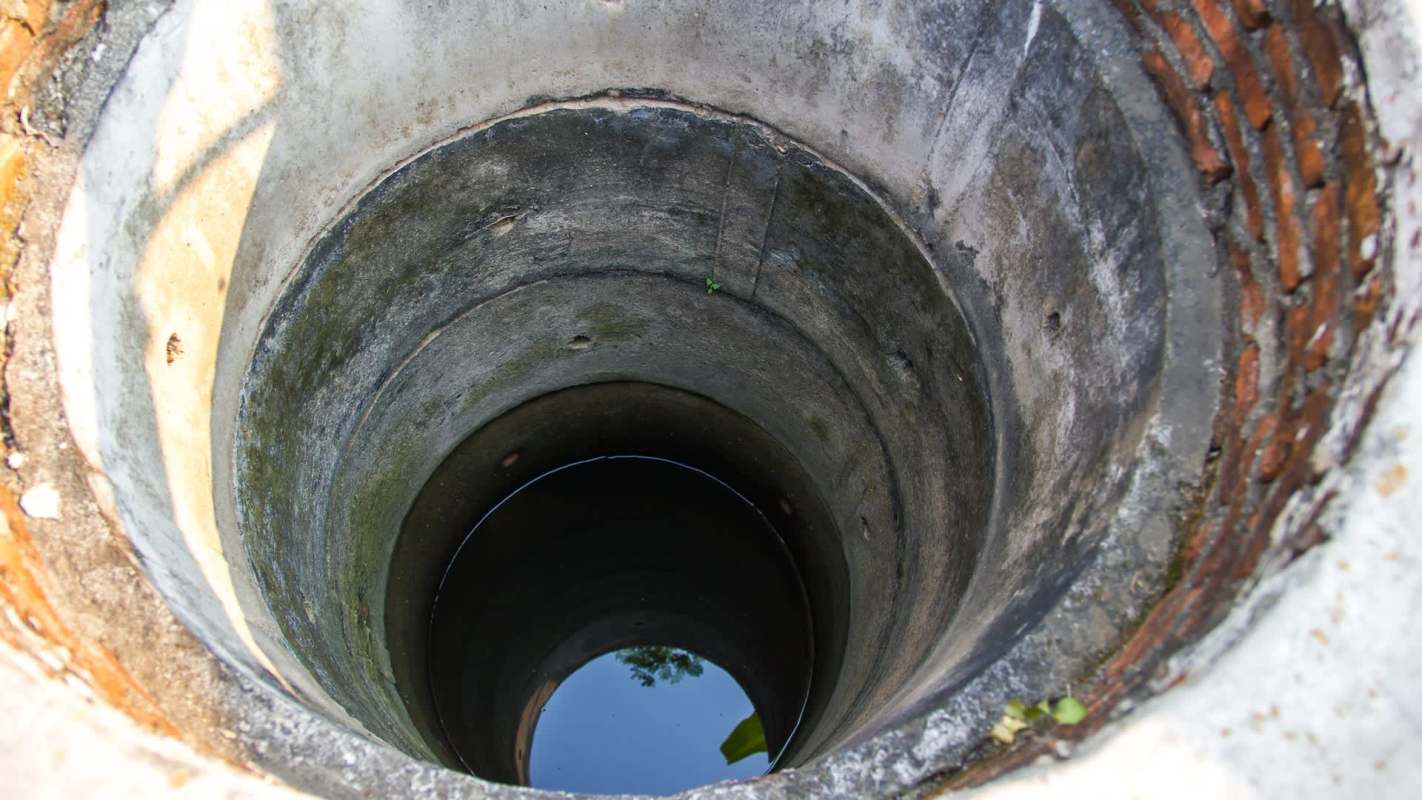
A North Carolina homeowner looking for ways to save an aging hand-dug well said the family had previously added crayfish to stir up sediment and improve flow. After a recent dry spell, the water level dropped so low that the top of the stainless submersible pump was visible from above.
Here's what to know
A post in the r/plumbing subreddit describes a hand-dug well in North Carolina that the homeowner estimates is 50 to 75 feet deep and about 3 feet wide. They said only the upper 6 to 8 feet are lined, while the lower section is largely bare earth.
According to the Reddit thread, the sudden pressure problems followed a dry stretch along with car washing, laundry, and regular household use. The homeowner said a weighted string suggested only about 2 to 3 feet of water remained, and the bottom seemed to be loose sand or silt.
Rather than blaming sediment buildup, commenters said drought and a lowered water table were more likely. The homeowner reported that the pump was surging and couldn't build enough pressure for the switch, so they shut off the breaker. One commenter wrote, "10:1 it's your water table. Hydrology is dynamic, and you know you're short on rain."
More background
The homeowner said the well had generally supplied the home for about 20 years, and earlier low-water problems often eased after the system sat overnight. They said the well did rebound some, but still not enough to match demand.
In a follow-up comment, the original poster said, "I checked the water level again this morning, and it had recovered from 30" last night to 51", so it's still recovering, just not keeping up with demand yet."
TCD Picks » Quince Spotlight
💡These best-sellers from Quince deliver affordable, sustainable luxury for all




They said they wanted to focus first on do-it-yourself measures they could handle from the surface before "spending thousands on contractors."
What can be done?
Part of the discussion centered on storing extra water instead of trying to force more production from the well during dry conditions. The homeowner specifically mentioned a 300- to 500-gallon storage tank, and a commenter said that reserve could help.
Another recommendation from the thread was to protect the pump. One wrote, "Yes a storage tank would help. Also, they make pressure switches with a low pressure cut-off. It prevents the pump from burning up when it cannot build enough pressure to satisfy the switch. Also, make sure your pressure tank is calibrated."
The original poster replied, "I probably just add some reserve tanks with some float switches as protection and a way to maintain a reserve." They also said climbing into the well wasn't an option because of the unlined walls, and they were focusing on above-ground approaches.
The original poster wrote, "I'd much rather restore and improve what I have if possible than go straight to drilling a new well."
Where can I learn more?
These stories examine similar drought pressures and water-supply problems beyond this North Carolina well issue. They cover private wells running dry, shrinking reservoirs, heavy industrial demand, and efforts to respond to worsening water scarcity.
• In the West, a major US reservoir avoids dead pool status after conservation efforts.
• In Utah, new data centers in a drought-stricken region intensify water worries.
• Researchers say the major downside of desalination could be eased with cheaper evaporation control.

Get TCD's free newsletters for easy tips, smart advice, and a chance to earn $5,000 toward home upgrades. To see more stories like this one, change your Google preferences here.






