


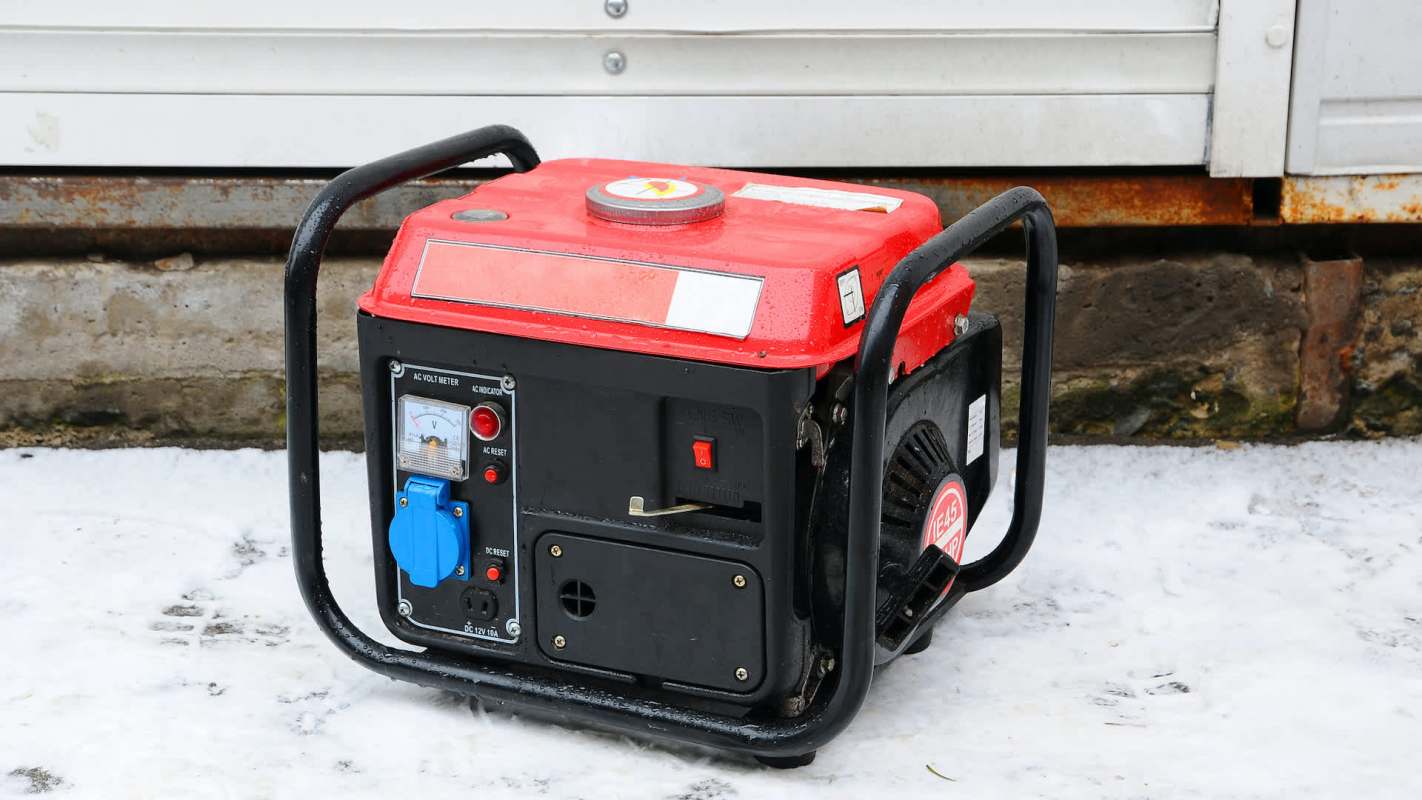
When Hurricane Helene hit western North Carolina in 2024, a rural mountain couple spent 37 days depending entirely on generator power, including an 80-hour stretch when they were cut off from the outside world.
From that experience, they came away believing backup power should be a top spending priority.
Here's what to know
The homeowner, a 58-year-old, and her husband, 62, said on Reddit that their home north of Asheville was flooded about six inches, and their road was destroyed. They also had "no contact with the outside world" for 80 hours.
Keeping the household functional required both power equipment and basic supplies. The couple said flashlights and rechargeable lighting were crucial, along with heavy-duty extension cords and a generator setup that began with a 3,500-watt unit and later expanded to an 11,000-watt model connected to the breaker box. They also singled out a waterproof document case and the cleanup gear needed to handle mud on the floor.
Extra socks proved important, as did canned foods that heated quickly, a single-burner indoor butane/propane stove, and access to spring-fed water with purification. One user identifying as a downtown Asheville resident said: "If you have water stored, get more. You do not have enough. Trust me."
More background
Communication problems lingered well after the storm: The couple said cell towers took months to repair, and for about two weeks they reached a church with Starlink only by taking a neighbor's ATV on a roughly 30-minute ride over a ridge.
Another user who lived about two hours north of Asheville said a newer solar-and-battery setup kept Starlink, the well, refrigeration, lights, and even a vacuum running, with a generator used mainly for hot water and occasional laundry. The OP said temporary solar panels are now on the household's list of "things we ought to get."
Going solar can help not only when the power goes out; it can also help you save on home energy over time. If you're considering it, EnergySage can help you get free solar installation estimates and compare quotes.
Save $10,000 on solar panels without even sharing your phone number Want to go solar but not sure who to trust? EnergySage has your back with free and transparent quotes from fully vetted providers that can help you save as much as $10k on installation. To get started, just answer a few questions about your home — no phone number required. Within a day or two, EnergySage will email you the best local options for your needs, and their expert advisers can help you compare quotes and pick a winner. |

The couple also credited local support as essential. The couple said critical supplies came through a nearby church serving as a temporary relief hub, and the OP added, "It was truly our community that saved us!"
What can be done?
A major lesson from the thread was the need to plan around limited fuel and power. The OP said they shaped each day around only four or five hours of generator use and found pasta more useful than rice because it needed less sustained heat. They also stressed keeping important documents together in a waterproof, easy-to-carry case, storing extra cleaning supplies, and having rechargeable lights ready.
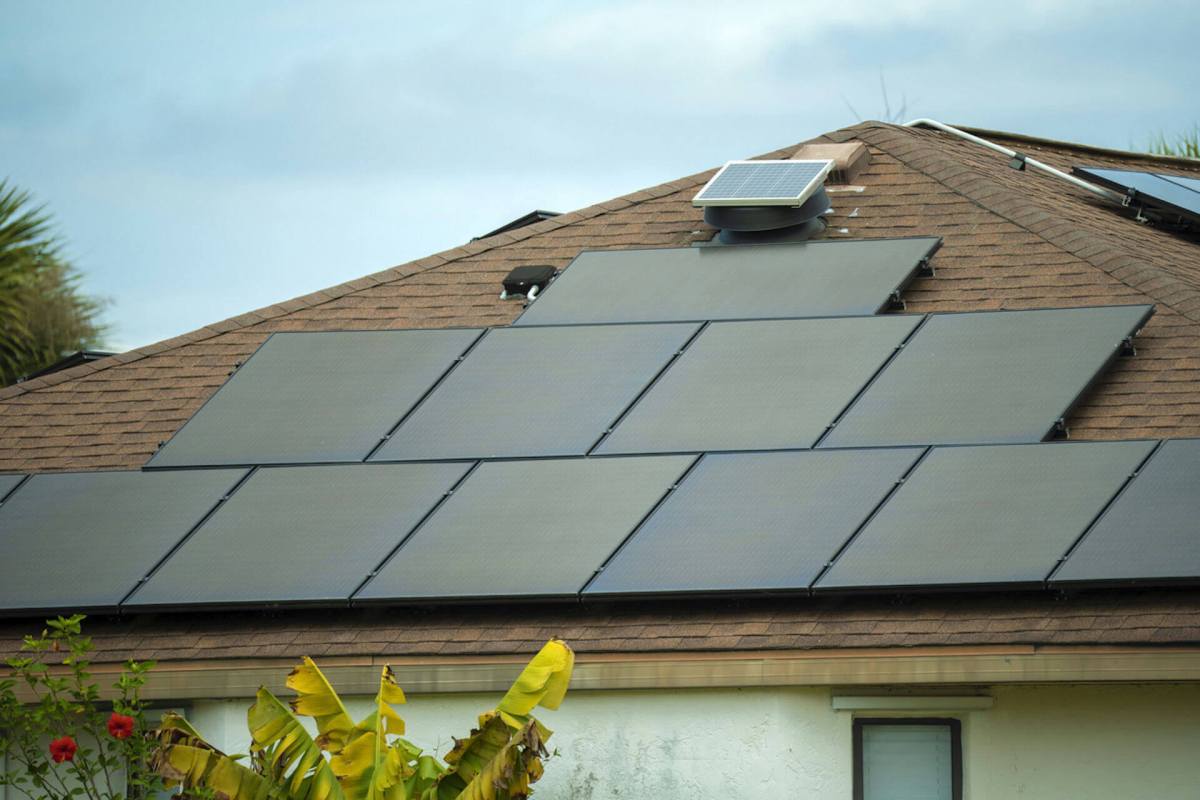
If solar is on your radar, EnergySage can be especially useful because it can help the average person save up to $10,000 on solar purchases and installations. Homeowners can also use EnergySage's solar map, which shows the average cost of a home solar panel system by state, along with details on incentives in each state, helping people find the best price for rooftop solar and available savings.
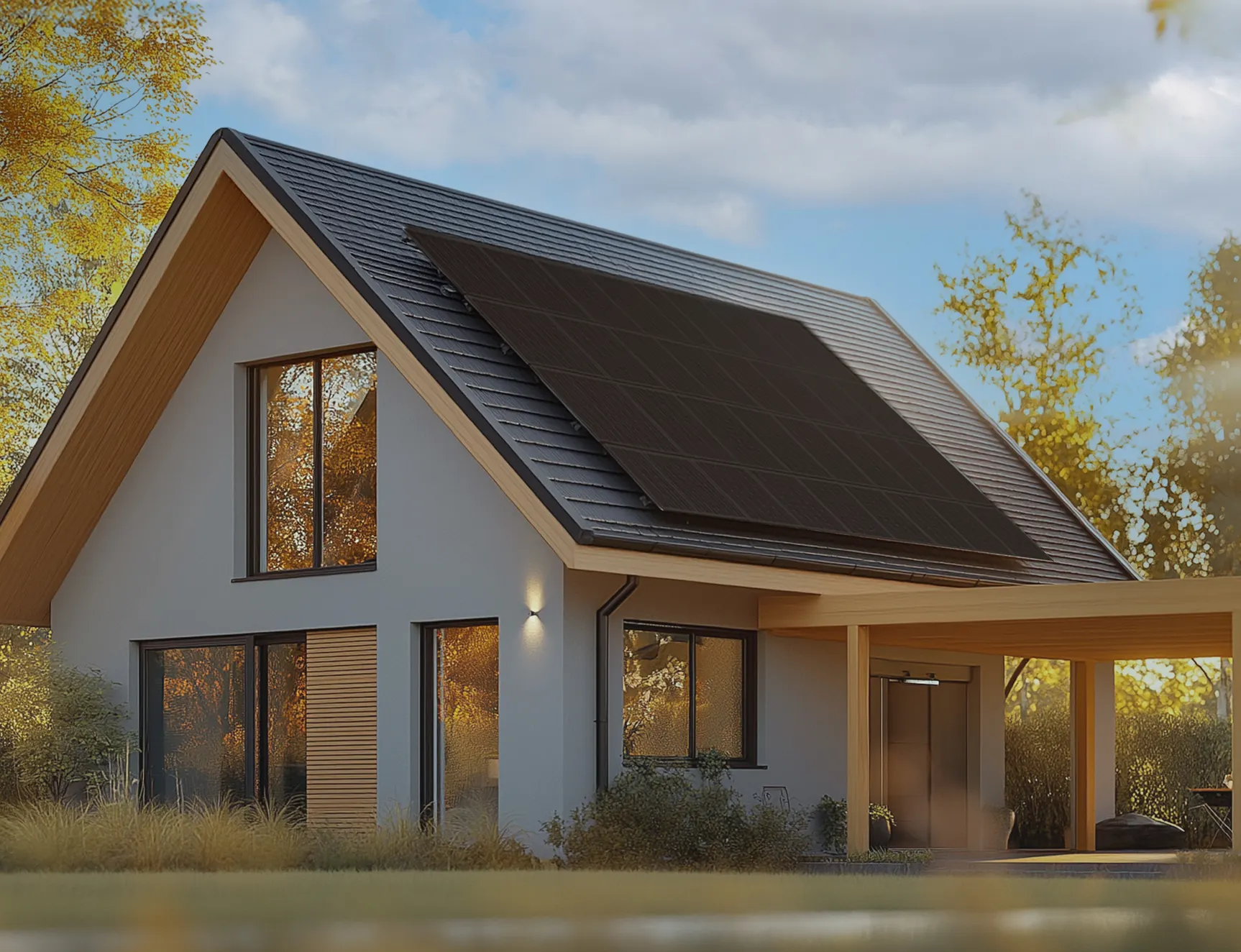
Adding battery storage to a solar setup is also one of the best ways to protect your home during outages, save money on energy, and go off-grid. Homeowners interested in backup power can explore EnergySage for information about battery storage options, including competitive installation estimates.
More From EnergySage
💡Go deep on the latest news and trends shaping the residential solar landscape

Where can I learn more?
For more on getting through long outages, these stories look at how people kept power, water, and communication running during major storms. They cover hard-earned lessons from hurricane blackouts, off-grid backup systems, and solar-powered communities built for storms.
• After Hurricane Milton, one homeowner shared wise storm survival insights after days without power.
• After a hurricane, an off-grid homeowner kept cool with electricity that never went out.
• After a freak storm, blocked roads and no cell signal made blackout survival harder.
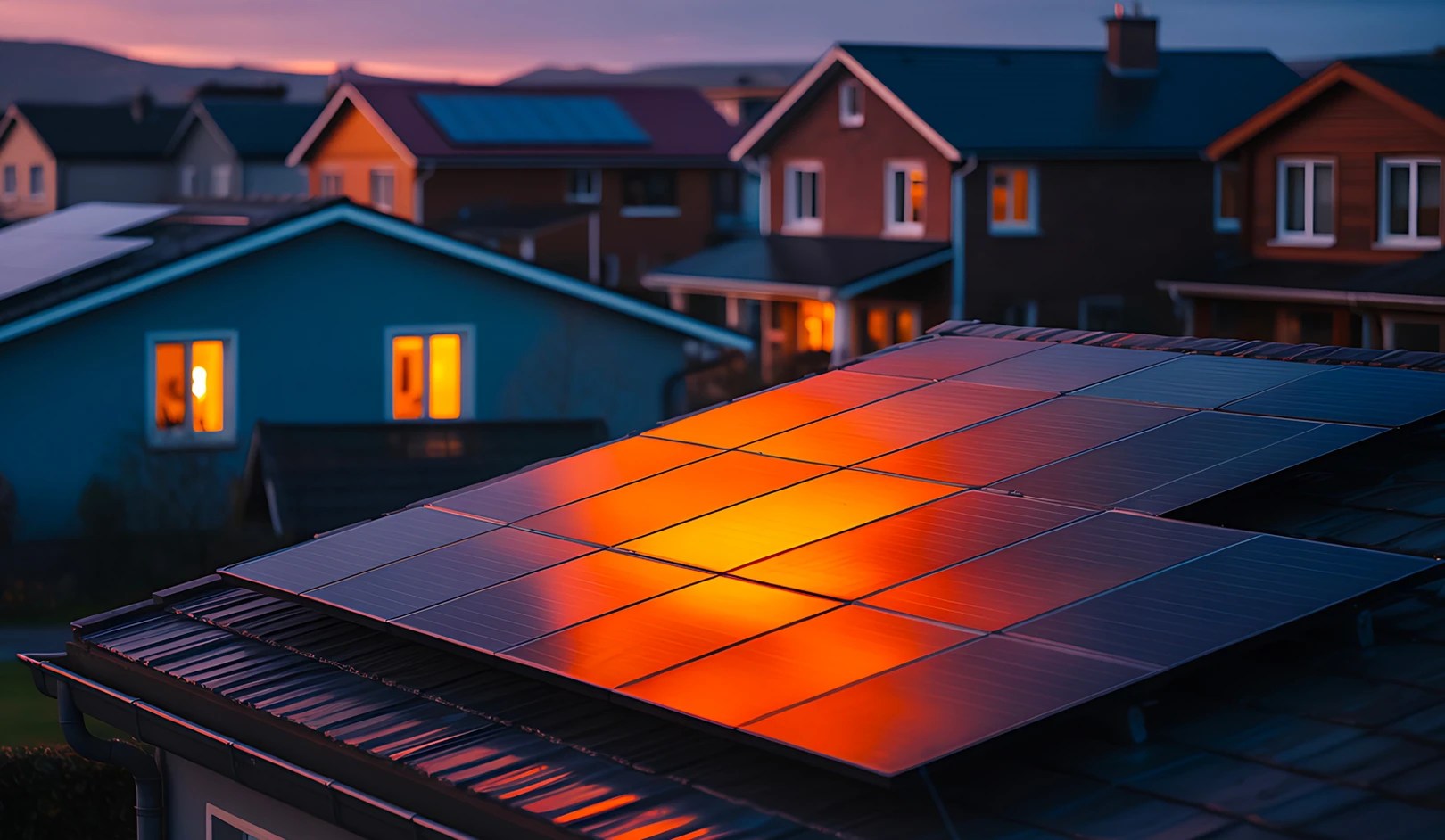
• In southwest Florida, Babcock Ranch's community, completely powered by solar, rode out Hurricane Ian well.

Get TCD's free newsletters for easy tips, smart advice, and a chance to earn $5,000 toward home upgrades. To see more stories like this one, change your Google preferences here.






