


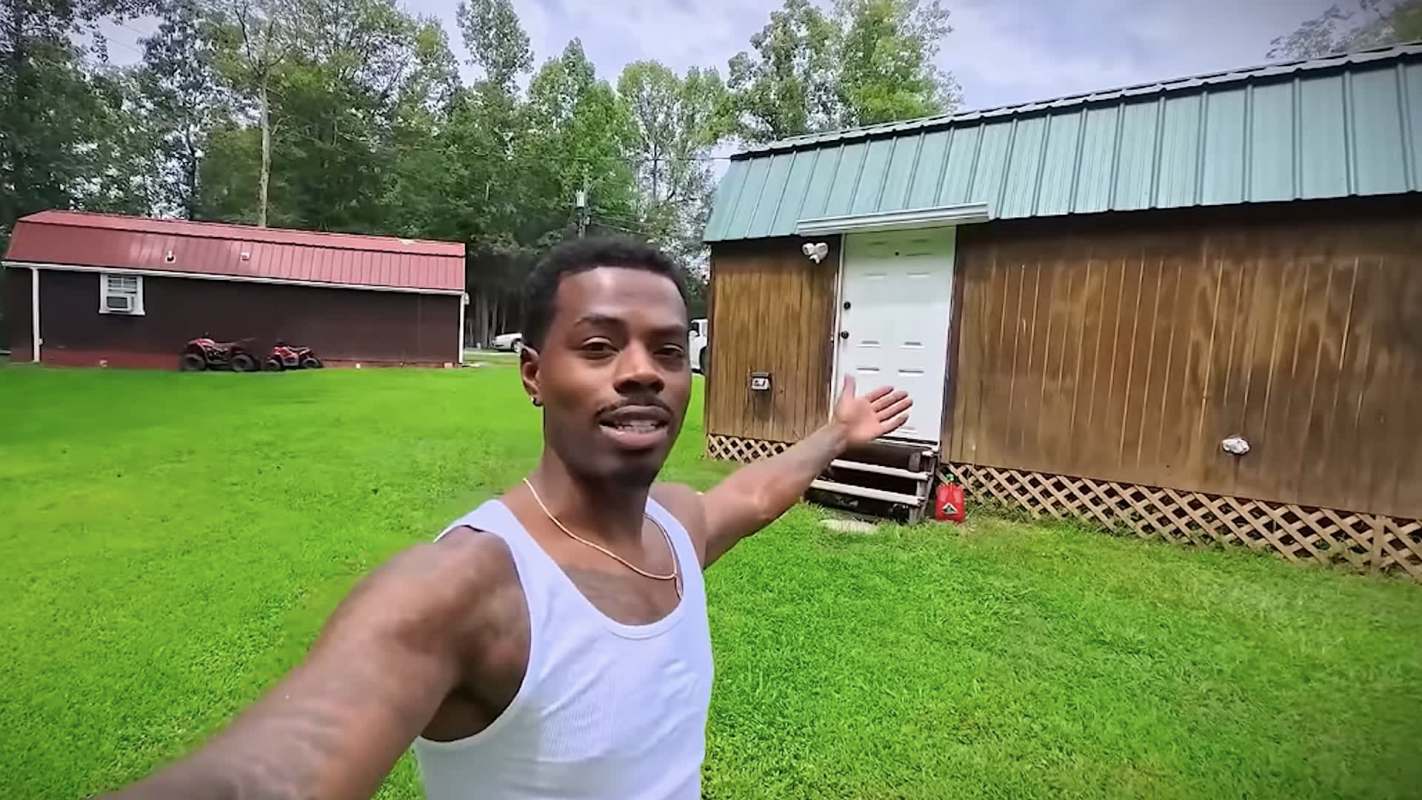
A 21-year-old in North Carolina is turning heads online after giving a tour of his $12,000 shed that he transformed into a fully functioning tiny home.
The finished space covers everyday needs while keeping his monthly bills at $262.
Here's what to know
In a home tour shared by Tiny House Giant Journey (@TinyHouseGiantJourney) on YouTube, Stan, the tiny homeowner, said rising rent on his two-bedroom apartment led him to move into the converted shed at 21.
His father had already bought the unused structure for $12,000, and Stan estimated it took another $3,000 to $4,000 in materials to make it livable, bringing the total conversion cost to about $16,000.
Before any interior work started, Stan said he and his father handled the permitting process. They paid about $500 to get started, had inspectors check each stage of the project, and built in basics like a 100-amp electrical panel and water access.
One commenter wrote, "A really wise financial move. I love that you made use of a shed your father already owned on your family's land."
TCD Picks » Quince Spotlight
💡These best-sellers from Quince deliver affordable, sustainable luxury for all




More background
Several relatives still live on the property, which Stan said has remained in his family for generations. Moves like this offer a more affordable option for people experiencing increasing rent costs.
At the same time, Stan's experience is not a one-size-fits-all model. He had access to an existing structure and hands-on help from his father.
In Stan's case, the process involved inspections and gradual upgrades. While replicating this could take similar slow and consistent work, it may be worth it.
What can be done?
Standards like zoning and wastewater requirements can vary widely, and those details can determine whether a project is feasible before the first wall goes up.
Part of what kept the project cheaper was relying on reused and low-cost items where possible. The home includes secondhand furniture and appliances, and Stan taught himself to do some of the finishing work. Those choices will not erase every expense, but they can help lower them.
"Being able to save money and actually spend money on things like traveling and investments other than paying rent every month definitely gets you ahead," Stan concluded.

Get TCD's free newsletters for easy tips, smart advice, and a chance to earn $5,000 toward home upgrades. To see more stories like this one, change your Google preferences here.






