


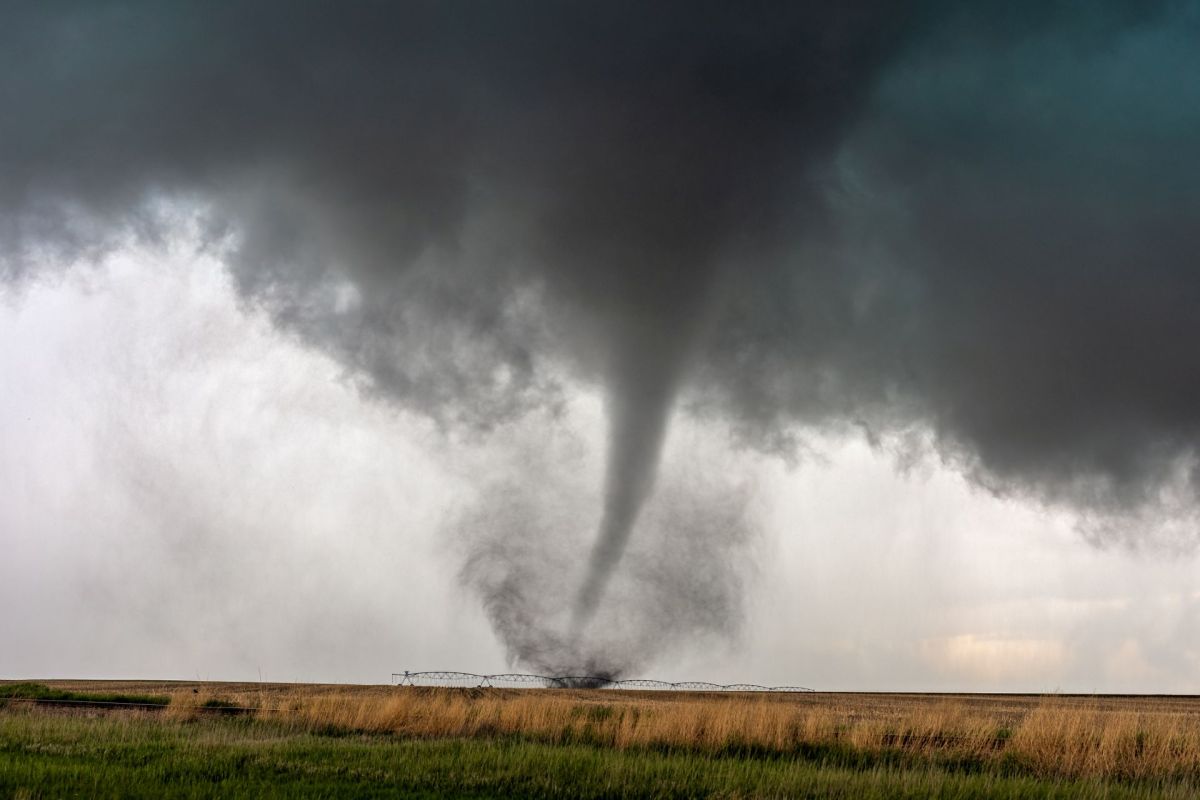
After three tornadoes struck North Aurora, Illinois, homeowners began seeking out generators to keep the lights on.
Here's what to know
Local company Tully Electric saw more residents turning to generator installations to deal with outages from summer storms, according to WBBM Newsradio.
Owner Roger Tully linked customers' heightened sense of vulnerability to the tornadoes.
"That led to probably the best demand we've seen in years," he said.
A whole-house generator may or may not suit a homeowner's needs, Tully said. He recommended starting with a list of what must stay powered during an outage to determine how much backup electricity the household requires.
Generator sizing can depend heavily on the power a home's cooling systems use, Tully told WBBM Newsradio.
TCD Picks » Quince Spotlight
💡These best-sellers from Quince deliver affordable, sustainable luxury for all




He also explained that buried power lines avoid the risk of being struck by falling trees in extreme weather conditions, while aboveground cables remain vulnerable to that kind of outage. That local infrastructure can influence whether buying a generator seems more essential.
What can be done?
Batteries and sump-pump backup batteries are among the options other households were considering, with the choice depending on which appliances need power.
For those choosing generators, Tully said owners can track the unit's condition through a mobile app that receives updates from its monitoring system.
He cautioned that having a generator installed does not guarantee outage protection and urged homeowners to check its readiness indicators.
"Don't just put it in there and assume everything's fine," he said. "They have little indicator lights on them."
Running regular checks on generator function is also wise to ensure you aren't left hanging when you eventually need it. But owners should also know that generators can be dangerous, with exhaust fumes carrying a risk of carbon monoxide poisoning if they aren't placed outdoors and well away from an indoor space.
That's why more and more homeowners are turning to battery storage as a safer way to provide backup power when the grid goes down. The technology can also help reduce energy bills by storing grid-provided energy at cheaper rates and then releasing that power during peak-pricing hours.
Where can I learn more?
The right backup power setup depends on what you need to keep running when the power goes out.
• Two seniors weighed whole-home batteries against generators, while owners questioned whether batteries would suffice.
• A renter gave up a whole-home generator, prompting recommendations for portable battery backup.
• An Ontario electrician questioned whether a Generac transfer switch can accommodate battery backup.
• An Illinois solar owner explored backup options, drawing warnings about sunlight backup's limitations.

Get TCD's free newsletters for easy tips, smart advice, and a chance to earn $5,000 toward home upgrades. To see more stories like this one, change your Google preferences here.
Cool Picks






