


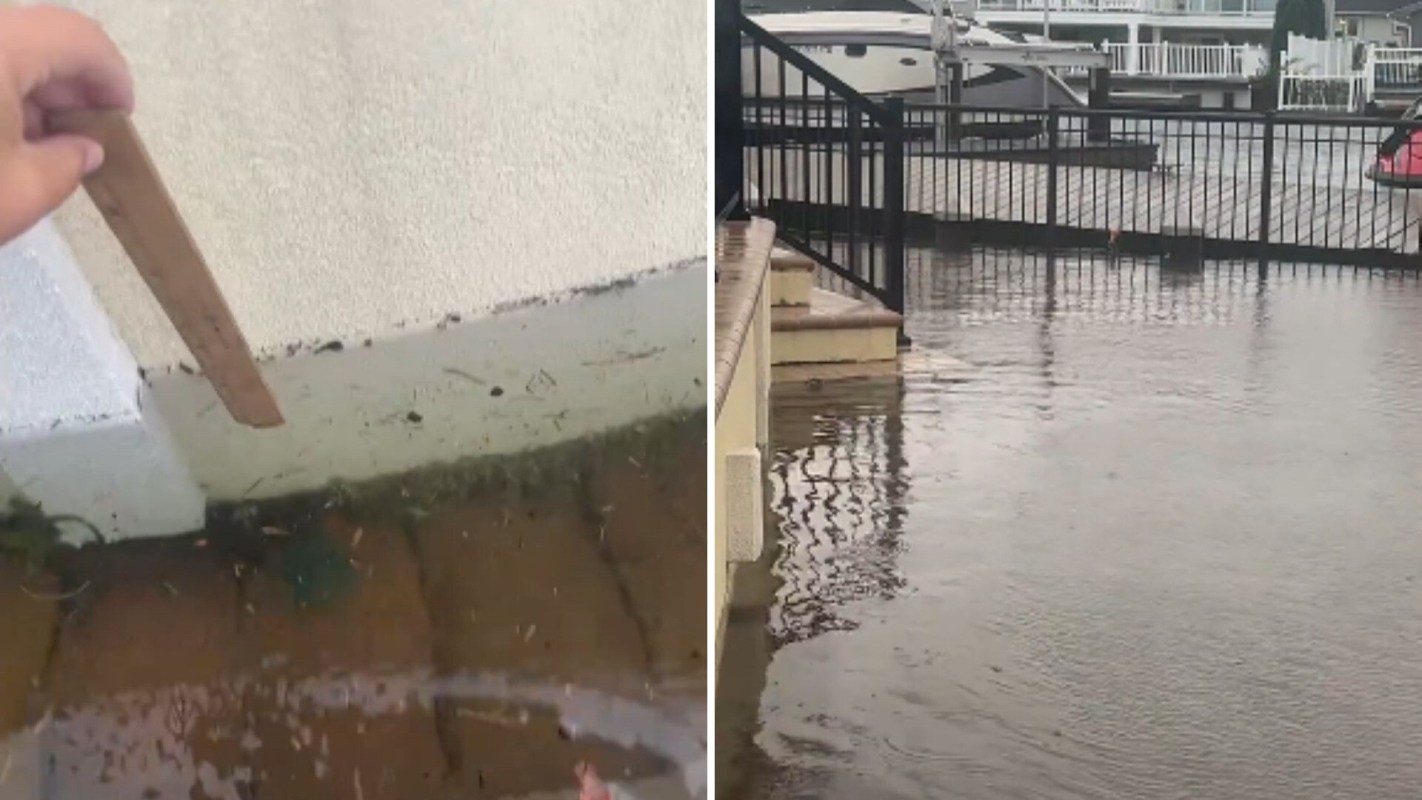
A nor'easter turned a routine tide check into a stark example of how quickly coastal flooding can escalate. In a viral clip, water had already risen above a waterfront bulkhead, and high tide had not yet arrived.
The outlook in the video was even more troubling, with creator itsmomstern (@itsmomstern) saying the tide was expected to come in higher still.
Here's what to know
The TikTok video from Sept. 26 captured a striking example of how much floodwater the storm produced.
@itsmomstern 11" over the bulkhead 🙈 #update #noreaster #weather #weatherchannel #storm @The Weather Channel ♬ original sound - itsmomstern
Itsmomstern said nearly 3.5 inches of rain had fallen by the morning of Sept. 26 and warned that Sept. 27's tide could come in roughly another 6 inches higher. With about 10 minutes left before high tide, the storm was wreaking havoc.
"I kept saying five inches, but nope, we are 11 inches over," the creator confirmed with a ruler. "11 inches. So we are almost a foot over."
The creator said items had already been moved up off the floor, showing that the risk of indoor or dockside damage was becoming a serious concern even before the water peaked.
TCD Picks » Quince Spotlight
💡These best-sellers from Quince deliver affordable, sustainable luxury for all




"At this point, our dock is literally holding on for dear life," itsmomstern added.
A later video indicated the creator is based on the South Shore of Long Island. Commenters mostly used humor to process the scene, with some suggesting the creator mop or use a ShamWow.
"Gurl you need a data center," one quipped.
"Guess not being rich has some advantages," another user joked.
More background
Nor'easters can be especially destructive for coastal communities because they often bring strong winds, heavy rain, rough surf, and unusually high tides all at once. When those conditions collide, docks, seawalls, roads, and low-lying homes can quickly be pushed past their limits.
Intensifying extreme weather disasters can threaten lives and livelihoods by cutting off roads, damaging homes and workplaces, contaminating floodwater, and creating electrical and mold hazards.
Events like this can strain public health, undermine community safety, and create financial instability when families face repair bills, lost work, and repeated cleanup costs.
A measurement of 11 inches over a bulkhead may not sound catastrophic, but along the waterline, it can mean soaked belongings, compromised structures, and a much smaller margin of safety if tides or rainfall keep rising.
What can be done?
Some of the most useful steps are also the most immediate: move valuables and electrical items off the floor, keep phones charged, monitor local tide and weather alerts, and be prepared to leave if officials warn that conditions are no longer safe. Move vehicles out of low-lying areas before the water starts rising.
Document property conditions and review flood insurance coverage before the next storm arrives. Standard homeowners insurance often does not cover flood damage, which can make a significant difference after an event like this.
At the community level, stronger drainage systems, restored wetlands, better coastal defenses, and more resilient building practices can all help reduce future losses. Those investments will not stop every storm, but they can buy valuable time and lessen the damage when extreme weather hits.
Where can I learn more?
Storm-driven tides and coastal flooding can cause heavy damage to nearby communities worldwide.
• Along Australia's shoreline, stronger winds and tides are battering communities with no relief in sight.
• In urban coastal hubs, severe flood risk is rising as seas push farther inland.
• Around Shanghai's delta, catastrophic failure risks are threatening the future of coastal cities.
• In Cork, Ireland, flooding risks are growing fast enough to threaten the city's future.

Get TCD's free newsletters for easy tips, smart advice, and a chance to earn $5,000 toward home upgrades. To see more stories like this one, change your Google preferences here.






