



A new free program is giving homeowners across north east England a chance to assess whether solar panels and home battery storage make sense for their properties.
By simplifying the early research process, the initiative aims to help residents feel more comfortable exploring potential savings on their energy bills.
Here's what to know
According to The Northern Echo, North East Mayor Kim McGuinness introduced the initiative through the North East Mayoral Strategic Authority alongside Switch Together.
Instead of asking residents to shop around on their own, the scheme pools local interest and seeks lower-cost solar-and-battery proposals from approved installers.
Homeowners can sign up for free until Sept. 27 to get tailored details about whether solar and storage are a match for their home with no requirement to purchase.
McGuinness described the initiative as a way to improve home efficiency while easing pressure on household budgets.
"We must do what we can to help people cut their energy bills," she said. "This will give homeowners practical ways to reduce their bills and make their homes more energy efficient."
Going solar is one of the best ways to save money on home energy, especially for households looking to reduce their dependence on the grid over time. Customers in the United States who want to compare their options can also explore EnergySage to get free solar installation estimates and compare quotes.
Save $10,000 on solar panels without even sharing your phone number Want to go solar but not sure who to trust? EnergySage has your back with free and transparent quotes from fully vetted providers that can help you save as much as $10k on installation. To get started, just answer a few questions about your home — no phone number required. Within a day or two, EnergySage will email you the best local options for your needs, and their expert advisers can help you compare quotes and pick a winner. |

More background
A central aim of the north east's program is to make solar easier to navigate for residents who find the process confusing.
Solar can offer savings, but many homeowners are discouraged by the research, installer comparisons, and technical questions that often come with getting started.
George Frost from Switch Together said, "We are here for the people who think they might want to install solar panels but are deterred by the perceived complexity."
Panels and batteries serve different functions: solar panels produce electricity year-round, while batteries store extra power for later use.
More From EnergySage
💡Go deep on the latest news and trends shaping the residential solar landscape

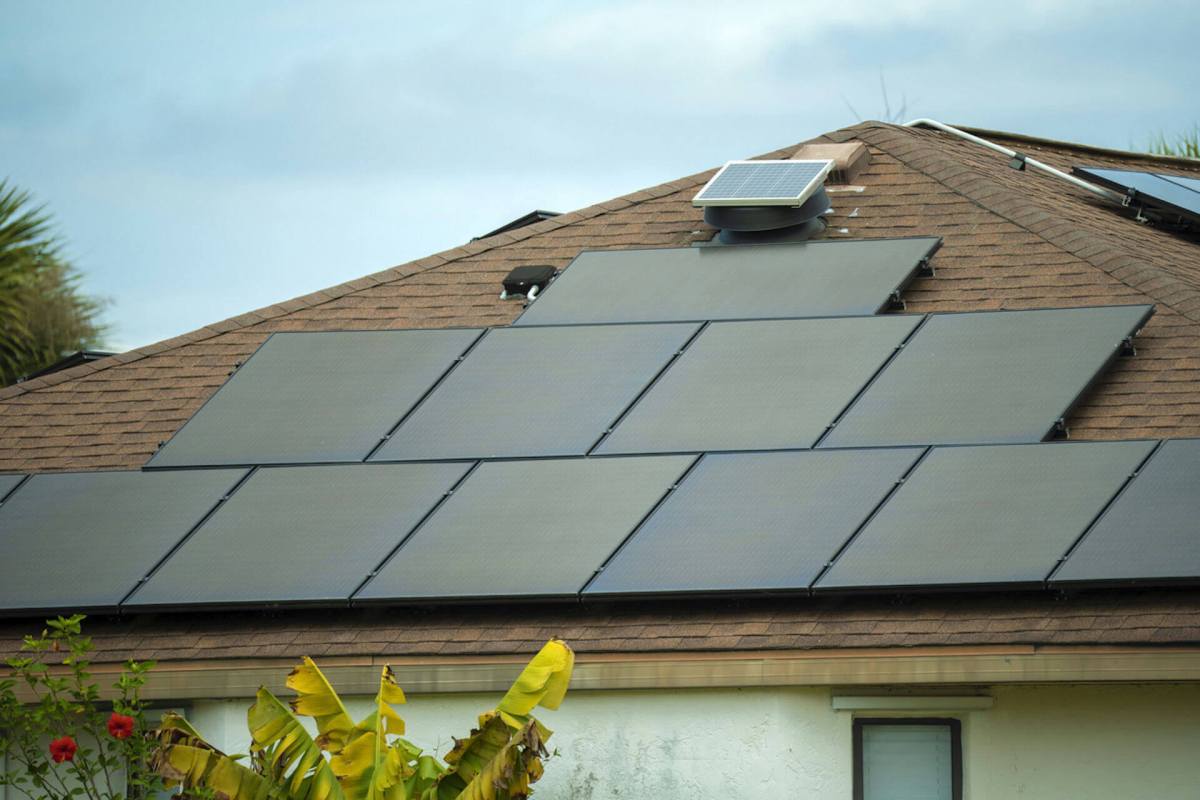


Together, they can reduce a household's reliance on utility electricity, potentially lowering monthly bills and giving residents more flexibility as energy prices rise.
What's being done?
The scheme fits into larger regional efforts to promote cleaner energy, reduce carbon pollution, and improve home efficiency. On a household level, though, it may help residents figure out whether solar works for their property, budget, and energy needs.
For U.S. readers considering solar, EnergySage's free tools can add another layer of confidence. EnergySage's solar map also shows the average cost of a home solar panel system by state, along with details on solar incentives for each state. Together, those resources can help people get the best price for rooftop solar panels and access available incentives.
Adding battery storage to a solar setup is also one of the best ways to protect your home during outages, save money on energy, and go off-grid. Homeowners interested in backup power and energy independence can explore EnergySage for information about home battery storage options, including competitive installation estimates.
Frost described the program as a straightforward way for households to gather the information they need: "Joining the group is an easy way to help households make an informed decision on an installation, and so far we have helped almost 50,000 households install with solar to generate their own electricity."

Get TCD's free newsletters for easy tips, smart advice, and a chance to earn $5,000 toward home upgrades. To see more stories like this one, change your Google preferences here.







