


With freezing temperatures approaching in New York, officials are urging homeowners to winterize before the worst of the cold arrives.
Now, New York State Electric & Gas says one of the simplest ways to lower a winter utility bill may be as easy as adjusting the thermostat.
Here's what to know
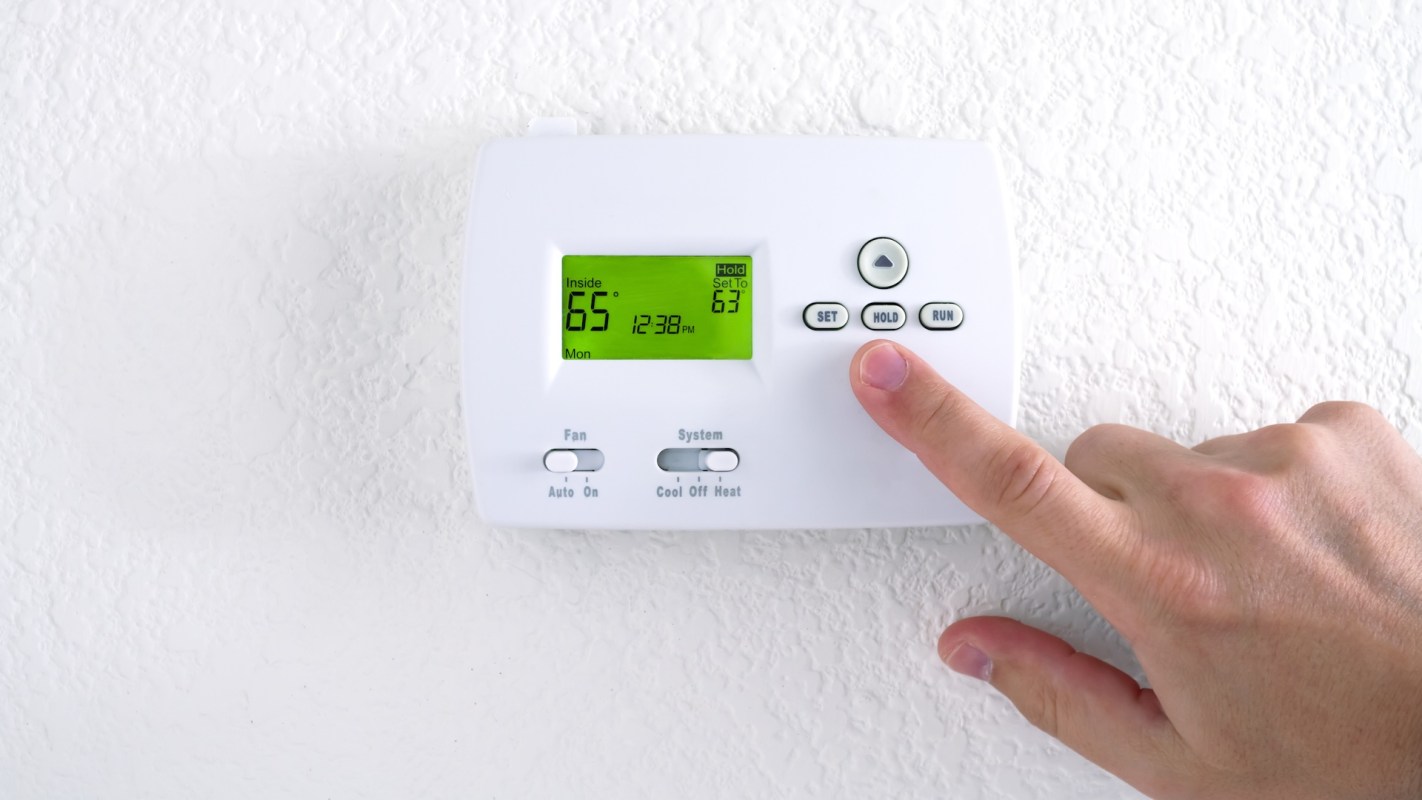
WBNG reported that NYSEG says keeping the thermostat at 65 degrees during daytime hours may lower heating demand by as much as 15%, offering meaningful savings for households hoping to avoid seasonal bill spikes.
Some of the cheapest winter-prep steps focus on stopping drafts. In comments to WBNG, NYSEG Communications Manager Michael Baggerman told the outlet that residents should look for cracks around doors and windows, replace damaged window putty, and use plastic shrink-film insulation kits on older drafty windows.
Even minor air leaks can force heating systems to run longer than necessary. But even after a home is weatherized, NYSEG recommends a thermostat range of 65 to 70 degrees when people are home, and then lowering the temperature to 58 degrees when they are away or asleep.
Baggerman also cautioned residents against relying too heavily on space heaters, which may be convenient but often use large amounts of electricity. He told WBNG that "we love the portable element of having the space heaters. We can take them into any room that they want, but they are significant energy guzzlers. So, you know, really consider limiting the use of space heaters."
TCD Picks » Quince Spotlight
💡These best-sellers from Quince deliver affordable, sustainable luxury for all




More background
Protecting plumbing is another part of getting a home ready for winter. That means wrapping exposed pipes and disconnecting exterior hoses before temperatures plunge, helping reduce the chance of frozen or burst pipes and the costly repairs that can follow.
Neglected filters can also force a heating system to work harder, potentially increasing energy use while reducing indoor comfort. Residents should schedule a yearly furnace inspection and replace air filters every one to three months, depending on manufacturer guidance.
Where can I learn more?
When winter bills climb, small thermostat tweaks and basic weatherproofing can make a big difference.
• On TikTok, an HVAC pro says common thermostat misconceptions can quietly raise winter bills.
• A meteorologist warns that cranking the thermostat only wastes money instead of warming rooms faster.
• Homeowners are checking front-door weatherstripping to block drafts and hold heat indoors.

Get TCD's free newsletters for easy tips, smart advice, and a chance to earn $5,000 toward home upgrades. To see more stories like this one, change your Google preferences here.






