


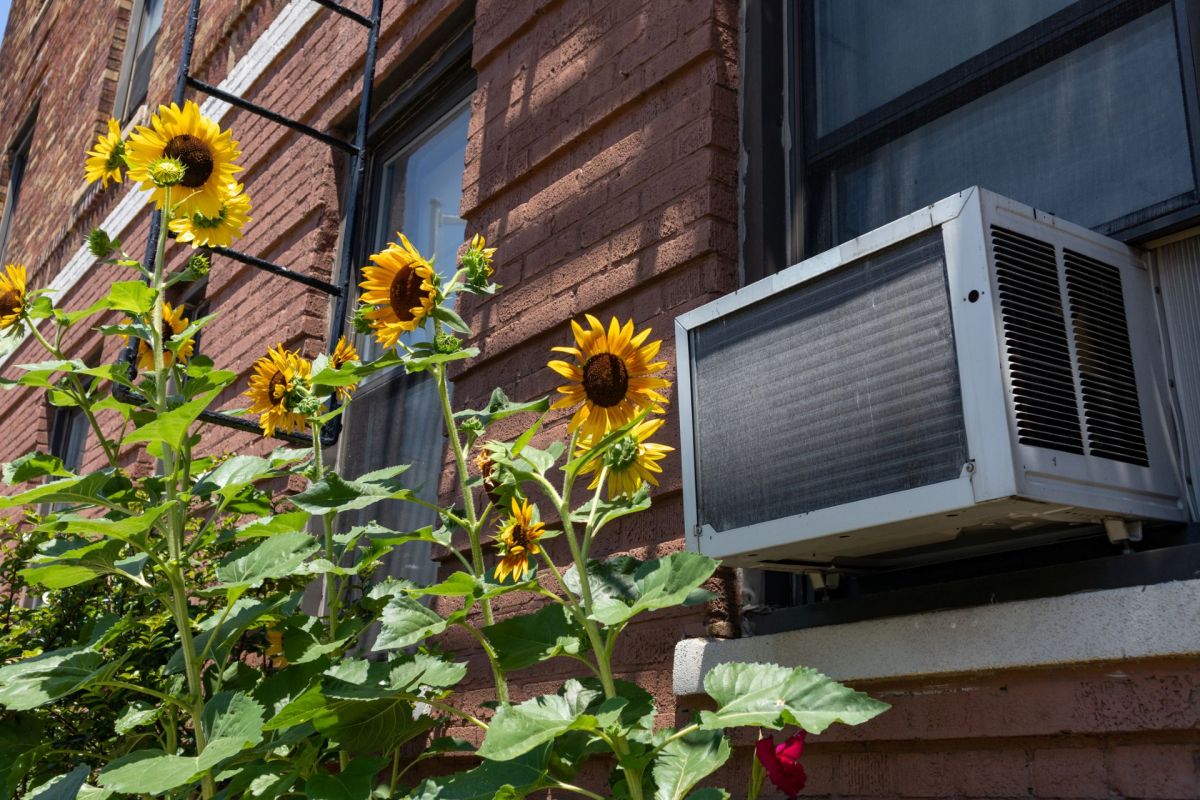
As temperatures rise, household power use may climb before residents see it reflected on a bill.
In New York, two large utilities warned that heavy use of air conditioners, fans, and pool pumps can quickly drive up monthly charges. They say early monitoring and a handful of simple at-home changes may help customers catch those increases sooner and soften the hit.
What's happening?
New York State Electric and Gas and Rochester Gas and Electric are asking customers to monitor their electricity use closely during the peak cooling season, according to a news release.
Customers can enroll in automated text or email messages through the utilities. Those "usage change" alerts are sent when daily electricity use stays above or below a customer's previous 30-day average for three consecutive days.
The companies also highlighted Energy Manager, a free online resource for reviewing household energy consumption over time. That guidance comes as ordinary summer behavior — longer cooling cycles, daytime fan use, and running a pool pump — can quickly translate into higher monthly bills.
Why does it matter?
For many households, summer utility bills are among the season's most unpredictable expenses. A stretch of hot weather can mean air conditioners run for hours longer than usual, and many people do not see the impact until the bill arrives.
TCD Picks » Quince Spotlight
💡These best-sellers from Quince deliver affordable, sustainable luxury for all




If customers receive an alert after several high-usage days, they may have time to adjust their habits before a full month of elevated consumption results in a much larger bill.
What can I do?
A good starting point is to sign up for the free alerts and review Energy Manager regularly. Used together, they can make it easy to spot a spike and figure out what is causing it.
To reduce summer demand, the utilities recommend actions such as:
• Keeping blinds or curtains shut on bright, hot days.
• Using ceiling fans, sealing air leaks, and cleaning or replacing cooling system filters.
• Use heat-producing appliances such as the oven, dishwasher, and dryer during cooler hours rather than running them when indoor temperatures are harder to manage.
• Raising a thermostat by 7-10 degrees for eight hours a day.
Even modest changes can add up. RG&E said a thermostat adjustment can "save as much as 10% a year on cooling."

Get TCD's free newsletters for easy tips, smart advice, and a chance to earn $5,000 toward home upgrades. To see more stories like this one, change your Google preferences here.






